 comparison
Laser Skin Tightening vs Fillers for Aging Skin
Table of Contents
- Laser Skin Tightening vs Fillers: A Side-by-Side Comparison
- Laser Skin Tightening for Sagging Skin
- Dermal Fillers for Aging Skin
- Matching the Treatment to the Aging Concern
- How Long Does Laser Skin Tightening Last?
- How Long Do Dermal Fillers Last?
- Cost, Downtime, and Safety: What to Expect
- Conclusion
- Frequently Asked Questions
Last Updated: October 12, 2026
Laser Skin Tightening vs Fillers: A Side-by-Side Comparison
Laser skin tightening and dermal fillers solve two different aging problems, and choosing between them starts with one question: is your concern skin quality or facial volume? At Lumyn Medspa, we walk clients through this exact decision every week. Laser skin tightening uses heat-based energy to stimulate collagen production and firm lax skin, while dermal fillers restore volume that has shifted or diminished with age. One treats texture and firmness; the other rebuilds structure. This comparison breaks down how each works, what results look like, and how to plan a treatment approach that fits your face and your budget.
How Each Treatment Works
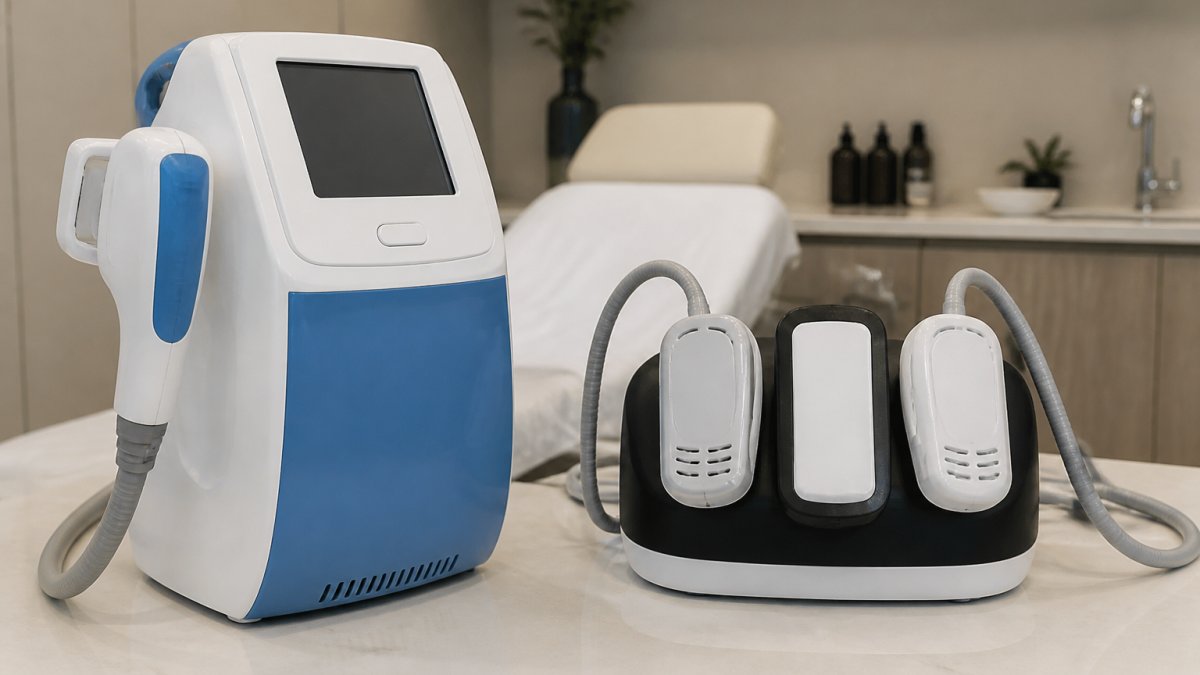
Laser skin tightening is an energy-based treatment that delivers controlled heat into the deeper layers of the skin to stimulate collagen production. Collagen is the protein that gives skin its firmness and structure, and its natural production declines steadily with age. The heat triggers a wound-healing response that builds new collagen over the following weeks and months.
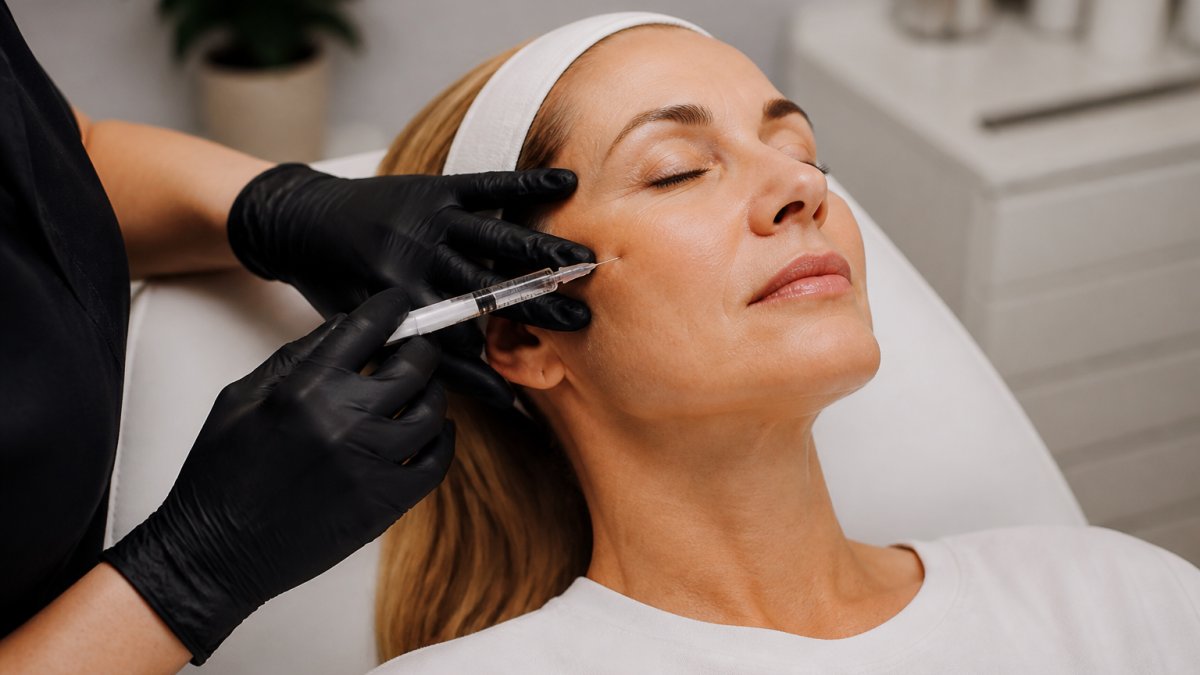
Dermal fillers are injectable gels, most commonly made of hyaluronic acid, that add volume directly beneath the skin. Hyaluronic acid is a substance that occurs naturally in the body and attracts water, so it plumps and smooths areas where fat pads have thinned or descended.
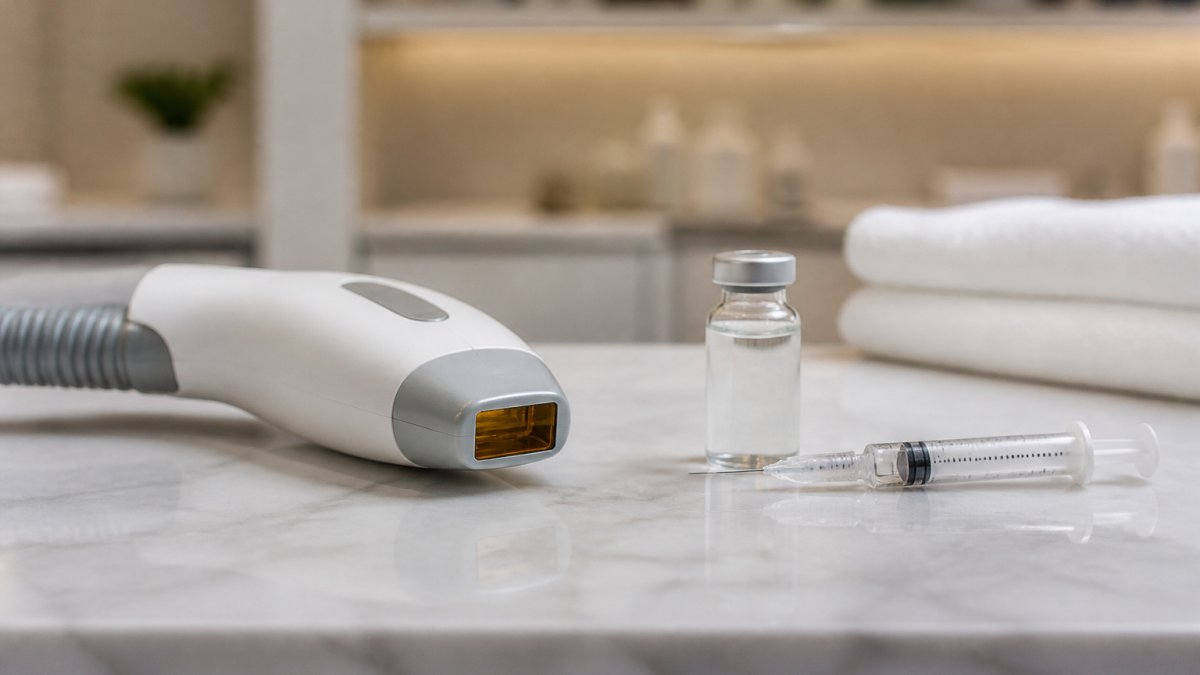
The distinction matters because the two treatments work on different tissue. Lasers act on the skin itself. Fillers act on the space under it.
| Feature | Laser Skin Tightening | Dermal Fillers |
|---|---|---|
| Primary target | Skin laxity, texture, tone | Lost facial volume |
| How it works | Heat stimulates collagen | Gel adds volume |
| Onset of results | Gradual, over weeks | Often immediate |
| Best for | Crepey, loose skin | Hollow cheeks, thin lips |
| Longevity | Months to years | Months |
| Downtime | Varies by laser type | Minimal |
Laser Skin Tightening for Sagging Skin
Laser skin tightening for sagging skin works best when the problem is skin quality rather than volume. If your face has lost firmness and the skin looks crepey or loose, a laser addresses that directly. If your cheeks look flat or hollow, a laser will not rebuild that structure.
Laser Technology Distinctions: Ablative vs Non-Ablative
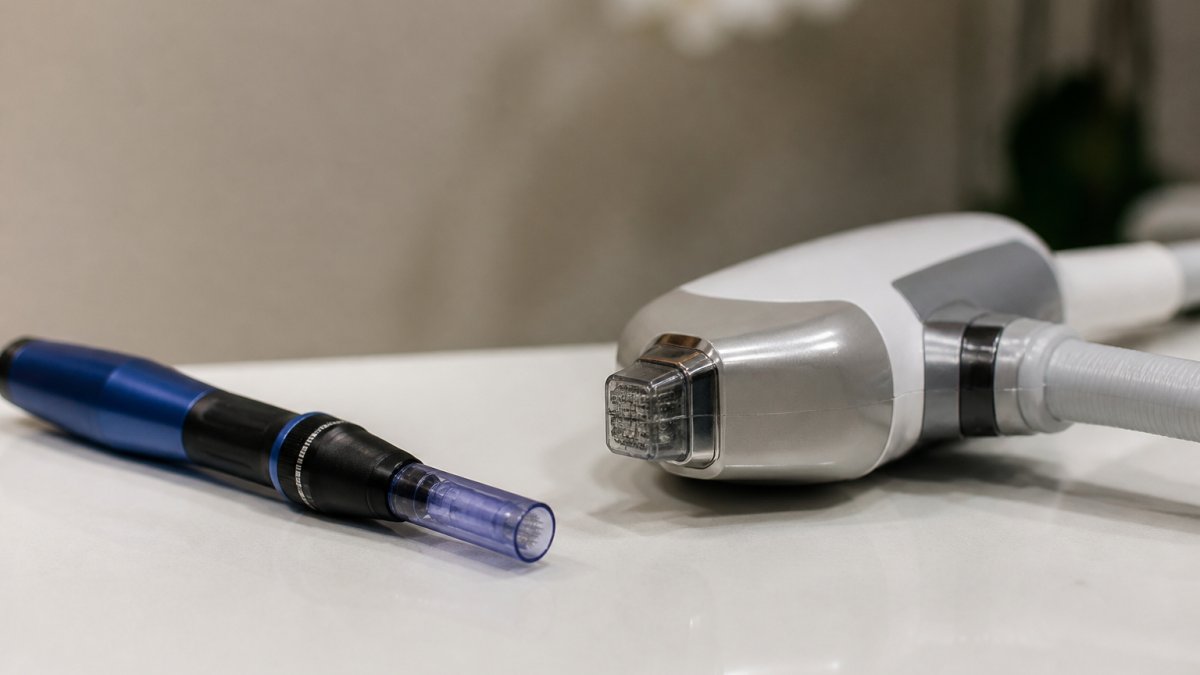
Ablative lasers remove the outer layer of skin, which produces more dramatic resurfacing results but requires real downtime for recovery. Non-ablative lasers leave the surface intact and deliver heat below it, so recovery is quicker but results build more gradually. Most people choosing laser skin rejuvenation for aging concerns start with a non-ablative option and move to ablative only if they want a more aggressive resurfacing result.
American Academy of Dermatology guidance on laser resurfacing
Dermal Fillers for Aging Skin
Dermal fillers for aging skin target the volume loss that gives a face a deflated look. Fat pads in the cheeks, temples, and under the eyes shrink and shift with age, and fillers replace some of that support. This is why fillers can soften deep folds and restore a more rested facial contour, but they do not tighten loose skin or improve surface texture.
Hyaluronic Acid and Other Filler Types
Hyaluronic acid fillers are the most common and are known for being reversible if a result needs adjusting. Other filler categories include calcium hydroxylapatite and poly-L-lactic acid, which work more by stimulating the body's own collagen over time rather than adding instant volume. A consultation determines which type suits your concern.
Matching the Treatment to the Aging Concern
Most comparisons stop at "lasers for skin, fillers for volume." That rule is true but too blunt to make a real decision. The more useful approach is to work concern by concern, because several aging changes overlap and a few respond to neither option.
Concern-by-Concern Decision Guide
| What you see in the mirror | Primary driver | Best-matched treatment | Why |
|---|---|---|---|
| Skin that looks crepey or loose but not hollow | Collagen and elastin loss in the dermis | Laser skin tightening | Heat rebuilds the skin's own support structure |
| Flat or hollow cheeks, temples, under-eyes | Fat pad thinning and descent | Dermal fillers | Adds structural volume the skin cannot regenerate |
| Deep folds from the nose to the mouth | Volume loss plus ligament laxity | Fillers first, laser as support | Folds are a structural problem, not a surface one |
| Fine static lines at rest | Collagen loss and surface damage | Either, depending on depth | Superficial lines favor laser; deeper ones may need filler |
| Dynamic lines from expression | Repeated muscle movement | Neither, this is a neuromodulator concern | Botox and similar injectables relax the muscle |
| Dull, uneven tone and texture | Surface damage, pigment irregularity | Laser skin rejuvenation | Resurfacing improves the top layers directly |
| Pigmentation and redness | Vascular or pigment irregularity | Laser, often paired | Targets specific chromophores in the skin |
| Overall sagging with jowling | Deep structural descent | Neither reliably | This is typically a surgical lifting concern |
Reading the Table Correctly
Two patterns trip people up. First, static versus dynamic wrinkles: static lines are visible at rest and respond to collagen-building or volume-restoring treatments, while dynamic lines only appear with expression and belong to neuromodulators. Second, laxity versus volume: if you pinch your cheek and the skin snaps back quickly, your concern is likely volume; if it stays slightly lax, you are a better candidate for tightening.
When Neither Option Is the Right Answer
It is worth saying plainly: neither laser skin tightening nor fillers replicates a surgical lift. If the primary concern is significant descent of the mid-face or jowling, energy-based tightening and injectables can soften the appearance but will not reposition tissue the way a facelift does. A qualified assessment should tell you when a non-surgical option is likely to fall short, not just which one to book.
How Long Does Laser Skin Tightening Last?
How long laser skin tightening lasts depends on the technology used and how your skin responds. Results typically build over two to six months as new collagen matures, and many people see improvement that holds for a year or more. Maintenance sessions, often once or twice a year, help extend the effect because collagen continues to break down with age. Laser results are gradual, so patience matters more than with injectables.
How Long Do Dermal Fillers Last?
How long dermal fillers last varies by product, treatment area, and how quickly your body metabolizes the material. Many hyaluronic acid fillers hold results for six to eighteen months, with areas that move a lot, such as the lips, tending toward the shorter end. Repeat treatments are usually needed to maintain the look, and some people find they need less over time as collagen responds.
U.S. Food and Drug Administration information on dermal fillers
Cost, Downtime, and Safety: What to Expect
Cost, downtime, and safety all depend on the specific treatment, the number of sessions, and who performs it. There is no single price for either option, and any figure you see online is an average rather than a quote. What you can do is compare the two on a total-cost-of-ownership basis and understand the safety and candidacy factors that shape who should choose which.

Total Cost of Ownership, Not Sticker Price
The honest way to compare is total cost over a year, not cost per visit. Laser tightening usually requires a series of sessions, so the total investment is higher than the per-treatment price suggests. Fillers are often priced by syringe, and the number of syringes needed varies by area and by how much volume has been lost. Maintenance matters too: laser results typically need a touch-up once or twice a year to hold, while fillers usually require repeat treatments every six to eighteen months depending on the product and area. When you add consultation fees, the number of sessions, and a year of maintenance, the two options often land closer together than the per-visit prices imply.
Downtime by Treatment Type
Downtime tracks the technology, not the category. Non-ablative lasers typically involve redness for a few days. Ablative resurfacing can mean a week or more of recovery. Fractional devices fall in between, with a few days of redness and mild swelling. Fillers usually cause brief swelling or bruising that makeup can cover, and most people return to normal activity the same day.
Safety, Candidacy, and Skin Tone
Both categories carry real risks, including redness, swelling, bruising, and, less commonly, infection or an uneven result. Two candidacy factors deserve more attention than they usually get.
Skin tone. Laser resurfacing carries a higher risk of pigmentary change in darker skin tones, because the same energy that targets collagen can also affect melanin. Non-ablative and fractional devices with appropriate settings are often safer for deeper skin tones, but the choice should be made by a provider experienced with your specific skin type, not by a general rule.
Contraindications. Active infection, certain medications, pregnancy, and some autoimmune conditions can rule out one or both options. Fillers have their own considerations, including a history of reactions to hyaluronic acid or lidocaine. A consultation is not a formality; it is where these factors get sorted.
The Provider Question
Choosing a qualified, licensed provider and a consultation before treatment is the most important safety step you can take. The FDA regulates dermal fillers as medical devices, and using an approved product from a legitimate supply chain matters as much as who injects it.
U.S. Food and Drug Administration information on dermal fillers
Conclusion
Deciding between laser skin tightening and fillers comes down to what your face actually needs, and that is rarely obvious in the mirror. At Lumyn Medspa, we build customized treatment plans that combine advanced technology, including the Candela Nordlys® platform, with injectables and wellness services so your results look natural rather than overdone. Our team starts with a consultation, maps your concerns to the right treatments, and sequences them for the best long-term outcome. Book now with Lumyn Medspa and get a plan built around your face, not a template.
Frequently Asked Questions
What are the downsides of laser skin tightening?
Laser skin tightening can cause redness, swelling, and mild discomfort for a few days, with ablative resurfacing requiring longer recovery. Results build gradually over weeks to months as collagen production increases, so you will not see an immediate change. People with darker skin tones need a provider experienced with appropriate laser settings to reduce the risk of pigmentation changes. Multiple sessions are often needed, and results are not permanent.
Can you get laser skin tightening and fillers at the same time?
Many providers do combine them, but usually in a planned sequence rather than on the same day. Lasers work on skin quality and collagen, while fillers restore facial volume, so they address different concerns. A common approach is to treat volume loss with fillers first, then allow the skin to settle before laser sessions. Your provider will set the timing based on your skin and treatment goals.
How long do laser skin tightening results last?
Results typically last six months to two years, depending on the laser type, the number of sessions, and how your skin ages. Collagen remodeling continues for several months after treatment, so firmness often improves gradually. Maintenance sessions every six to twelve months can help extend results. Sun protection and a consistent skincare routine also support how long the improvement holds.
Do fillers or laser treatments work better for wrinkles?
It depends on the wrinkle type. Fillers work well for static wrinkles and folds caused by volume loss, such as nasolabial folds and hollowing under the eyes. Lasers address fine lines and overall skin texture by stimulating collagen, which makes them a better fit for crepey skin and sun damage. Dynamic wrinkles from muscle movement are usually treated with neuromodulators like Botox instead.
Can laser fix sagging jowls?
Lasers can improve mild to moderate skin laxity along the jawline by stimulating collagen, but they will not correct significant sagging or deep tissue descent. For more advanced jowling, surgical options like a facelift deliver more dramatic lifting. A consultation can help you understand whether a non-surgical laser approach, fillers, or a combination will meet your expectations.