 ultimate-guide
Why Choose a Medical Spa for Fillers
Table of Contents
- What Sets Medical Spas Apart for Dermal Fillers
- Medical Spa vs. Dermatologist vs. Regular Spa: Where to Get Fillers
- Medical Spa Physician Oversight Requirements and Safety Standards
- How to Verify Injector Credentials Before Your Appointment
- Key Questions to Ask Before Getting Fillers at a Medical Spa
- Red Flags and Safety Risks: What to Avoid
- Real Results: Non-Surgical Benefits and Long-Term Outcomes
- Conclusion
Last Updated: August 29, 2026
What Sets Medical Spas Apart for Dermal Fillers
A medical spa is a clinical facility that combines the relaxing atmosphere of a traditional spa with physician-supervised aesthetic medical treatments. Unlike day spas, medical spas operate under the direct oversight of a licensed physician and offer injectable treatments like dermal fillers, procedures that require medical training and clinical judgment to perform safely.
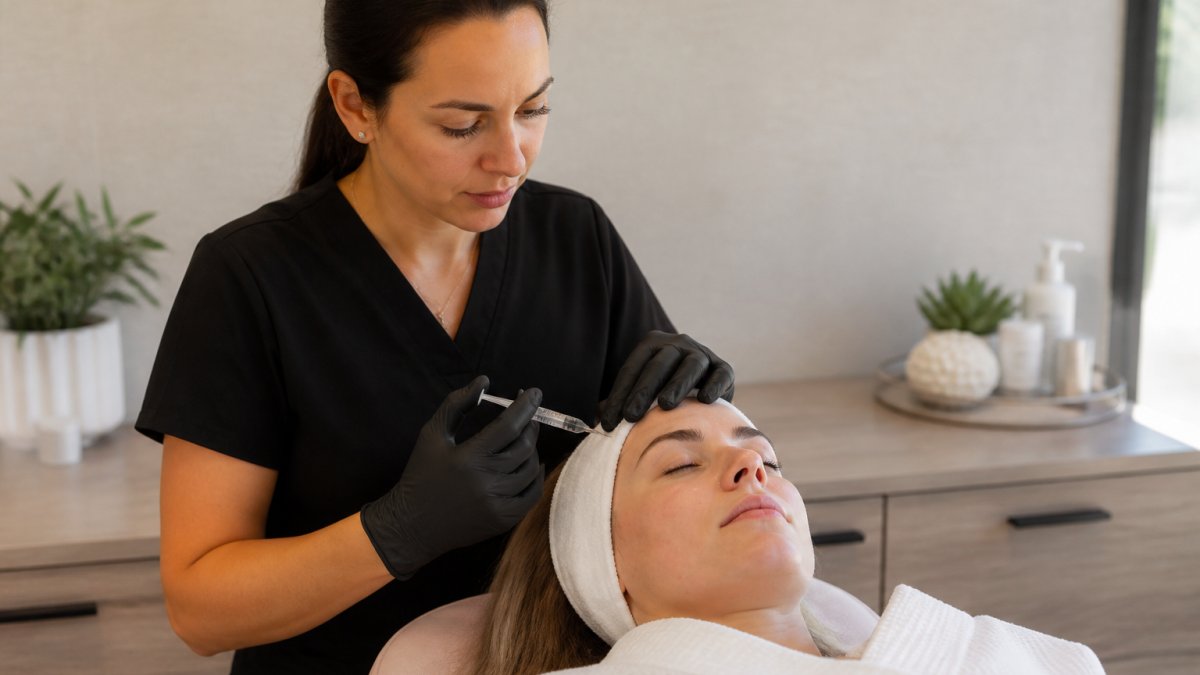
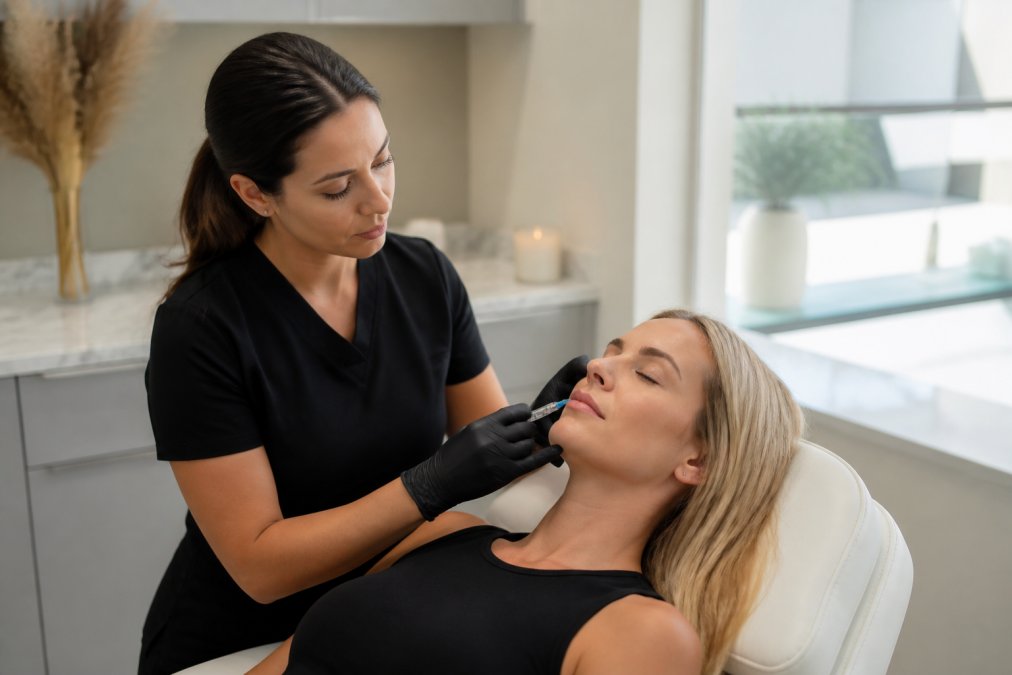
The difference matters more than you might think. When you choose a medical spa for fillers, you're selecting a setting where a board-certified physician or their medically trained staff operates within a structured clinical framework. That framework includes emergency protocols, sterile environments, and accountability that a regular spa simply cannot provide. At Lumyn Medspa, we combine advanced injectables with the personalized consultation process that turns a procedure into a treatment plan tailored to your specific facial anatomy and aesthetic goals.
What separates a medical spa from other settings is the presence of medical oversight. A physician, whether on-site or available for consultation, reviews your medical history, examines your facial structure, and approves your treatment plan before any injection occurs. This isn't bureaucracy. It's the difference between a trained professional evaluating whether a filler is appropriate for you, and someone following a checklist.

The clinical setting also matters for your safety. Medical spas maintain sterile environments, stock emergency medications, and train staff on complication management. If something unexpected happens, vascular occlusion, allergic reaction, or asymmetry, the facility is equipped to respond immediately. A traditional spa is not.
Medical Spa vs. Dermatologist vs. Regular Spa: Where to Get Fillers
Choosing where to get fillers depends on understanding what each setting actually offers. A dermatologist's office, a medical spa, and a regular spa are three different environments with different training requirements, oversight structures, and outcomes.
Dermatologist offices specialize in skin health. Dermatologists complete medical school, dermatology residency, and board certification in dermatological medicine. They're trained in skin conditions, laser treatments, and injectables as part of a broader dermatological practice. A dermatologist's primary expertise is treating skin disease and damage, though many also offer aesthetic treatments.
Medical spas operate under physician oversight but may employ nurse injectors, physician assistants, or aestheticians who perform the actual injections under medical direction. The supervising physician reviews the patient, approves the treatment plan, and is available if complications arise. This model allows experienced injectors to work within a medical framework without requiring a physician to perform every injection personally.
Regular spas offer facials, massages, and relaxation treatments. They are not medical facilities. In most jurisdictions, injecting dermal fillers at a regular spa is illegal, it requires medical licensing and clinical oversight that spas don't have (the FDA). Some spas attempt to operate in a gray area, but this creates significant liability and safety risks.
The practical difference: a dermatologist brings specialized skin expertise; a medical spa brings clinical safety and physician oversight; a regular spa brings neither. If your primary concern is skin health alongside aesthetic improvement, a dermatologist may be your best choice. If you want aesthetic results in a medically supervised environment, a medical spa delivers that specifically. A regular spa should not be an option for injectable treatments.
Medical Spa Physician Oversight Requirements and Safety Standards
Physician oversight is the legal and clinical foundation of a legitimate medical spa. The supervising physician bears responsibility for the facility's safety standards, staff qualifications, and treatment protocols. This is not a symbolic role, it's a legal requirement and a clinical necessity.
The physician's responsibilities include reviewing patient medical histories, identifying contraindications, approving treatment plans, and ensuring staff are properly trained. If a complication occurs, the physician is accountable. This accountability structure creates incentives for rigorous safety practices that don't exist in unmedical settings.
Medical spas must maintain clinical standards for sterility. This means using sterile, single-use needles and syringes; maintaining a sterile field during injections; and following infection control protocols. The facility should be clean, organized, and visibly professional. If you walk into a space that looks like a regular spa with dim lighting and soft music but no clinical infrastructure, that's a red flag.
Emergency protocols are another critical requirement. The facility should stock emergency medications (epinephrine, antihistamines, corticosteroids) and have staff trained in recognizing and managing complications. Vascular occlusion, when a filler accidentally blocks a blood vessel, is rare but serious (peer-reviewed research). A medical spa must have the equipment and knowledge to respond immediately.
Product authenticity and traceability are non-negotiable. Legitimate medical spas use FDA-approved dermal fillers from reputable manufacturers and maintain records of lot numbers and expiration dates. Counterfeit products exist in the aesthetic market, and they carry serious risks. Asking to see product packaging and lot numbers is not paranoid, it's smart.
How to Verify Injector Credentials Before Your Appointment
Before you commit to treatment, verify that the person injecting you has legitimate credentials. This is your responsibility, don't assume a clean facility or friendly staff means qualified injectors.
Ask directly: "What are your qualifications?" A qualified injector should have one of these credentials:
- Registered Nurse (RN) with specialized training in aesthetic injectables
- Nurse Practitioner (NP) with prescriptive authority
- Physician Assistant (PA) with dermatological or aesthetic training
- Physician (MD or DO) with board certification in dermatology or plastic surgery
Some states require injectors to have additional certifications from manufacturers or professional organizations. Ask whether your injector holds certifications from Allergan, Galderma, or other major filler manufacturers. These certifications demonstrate hands-on training beyond basic nursing credentials.
Request to see credentials in writing. A legitimate facility will display licenses and certifications on the wall or provide copies upon request. If a facility refuses or becomes defensive when you ask, that's a reason to look elsewhere.

Ask about experience. How many injections has this person performed? How long have they been doing aesthetic injectables? Someone with 500+ injections under their belt has seen more facial anatomy variations and complication patterns than someone with 50. Experience matters.
Ask about the supervising physician. Who is the medical director? What are their credentials? A legitimate medical spa will name their supervising physician and provide information about their training and board certification. If they're vague or evasive, that's a warning sign.
Request before-and-after photos. A qualified injector should have a portfolio showing realistic results across different face shapes and ages. If they have no portfolio or only show extreme transformations, be skeptical. Realistic results look natural, not frozen, not overdone, not dramatically different.
Key Questions to Ask Before Getting Fillers at a Medical Spa
Your consultation is your opportunity to evaluate whether a medical spa is right for you. Asking the right questions protects you and reveals whether the facility prioritizes your safety and realistic outcomes.
About the facility and physician:
- Is the supervising physician on-site or available by phone/video consultation?
- What is the physician's board certification and specialty?
- How long has the physician supervised this facility?
- What is your facility's complication rate, and how are complications managed?
About the injector:
- What are your specific credentials and qualifications?
- How many injectable procedures have you performed?
- Have you received manufacturer training or certification?
- What is your approach to natural-looking results?
About the procedure:
- What filler product will you use, and why is it appropriate for my goals?
- How much filler will you use, and where will you place it?
- What should I expect during the injection?
- What is the recovery timeline?
About results and risks:
- How long do results typically last?
- What are the possible side effects and complications?
- What happens if I'm unhappy with the results?
- Do you offer follow-up adjustments?
About your medical history:
- Will you review my full medical history before treatment?
- Are there any medications or conditions that might affect my safety?
- What should I avoid before and after the procedure?
A facility that answers these questions thoroughly and without pressure is one that respects informed consent. A facility that rushes you, minimizes risks, or avoids your questions is one to avoid.
Red Flags and Safety Risks: What to Avoid
Not all medical spas operate to the same standard. Some cut corners on safety, credentials, or product authenticity. Learning to spot red flags protects you from poor outcomes and serious complications.
Red flag: No physician oversight. If you ask about the supervising physician and get vague answers or learn there is no physician involved, leave. Physician oversight is non-negotiable for injectable treatments.
Red flag: Unqualified injectors. If the injector cannot produce credentials or has only a cosmetology license (which does not qualify someone to inject fillers), that's a serious problem. Cosmetologists are trained in skincare and makeup, not anatomy or medical complications.
Red flag: Pressure to buy packages or commit to multiple treatments. A reputable facility respects your autonomy. If you're pressured into a package deal or told you "must" return for multiple sessions, that's a sales tactic, not medical advice.
Red flag: Refusal to discuss risks. Every injectable carries risks: swelling, bruising, asymmetry, vascular occlusion, allergic reaction. A facility that downplays or refuses to discuss these risks is not being honest with you.
Red flag: Counterfeit or unverified products. Ask to see the filler packaging and lot number. Legitimate facilities maintain records and show patients what they're receiving. If a facility is evasive about product sourcing or uses suspiciously cheap fillers, that's a warning sign.
Red flag: No before-and-after photos or portfolio. A qualified injector should have a portfolio demonstrating their work. No portfolio suggests limited experience or poor results they don't want to show.
Red flag: Extremely low pricing. Dermal fillers cost money. If pricing is dramatically below market rate, ask why. Cheap pricing sometimes reflects cut corners on product quality, injector training, or safety protocols.
Red flag: Lack of follow-up or aftercare. A legitimate medical spa provides post-procedure instructions, monitors your healing, and addresses any concerns. If you're sent home with no guidance or can't reach anyone if problems develop, that's poor practice.
Real Results: Non-Surgical Benefits and Long-Term Outcomes
Dermal fillers deliver measurable aesthetic improvements without surgery. Understanding realistic outcomes helps you decide whether fillers are right for your goals.
Fillers restore facial volume that naturally decreases with age. Hyaluronic acid fillers, the most common type, integrate into the skin and attract water, plumping the area and smoothing lines. Results appear gradually over days as swelling subsides, with full results visible within two weeks.
Common treatment areas include nasolabial folds (lines from nose to mouth), marionette lines (lines from mouth corners downward), cheeks (for volume restoration and contour), lips (for fullness and definition), and under-eye hollows (for a refreshed appearance). Each area responds differently based on facial anatomy and skin quality.
Results typically last six to twelve months, depending on the filler type, your metabolism, and how much product was used (the FDA). Hyaluronic acid fillers are gradually absorbed by the body. Some people maintain results longer; others metabolize filler faster. This is normal variation.
The long-term benefit of regular filler use is subtle but real: consistent volume maintenance can slow the progression of deeper lines. By keeping cheeks and lips plump, you reduce the dynamic movement that deepens folds over time. This isn't a guarantee, but many patients who maintain fillers report that their lines don't worsen as quickly as they might otherwise.
Non-surgical treatments like fillers avoid the risks and recovery time of surgery. There's no general anesthesia, no incisions, no weeks of healing. Most people return to normal activities immediately. Swelling and bruising are typically mild and resolve within days.
The downside: fillers are not permanent. If you want lasting results without maintenance, surgical options like facelifts offer permanence that injectables cannot. But if you want gradual, reversible improvement with minimal downtime, fillers deliver that specifically.
Choosing a medical spa for fillers means prioritizing safety, credentials, and physician oversight. At Lumyn Medspa, we combine medical direction with advanced injectable techniques and personalized treatment plans designed around your facial anatomy and aesthetic goals. Our team uses FDA-approved dermal fillers, maintains strict clinical standards, and focuses on natural-looking results that enhance your appearance rather than alter it. If you're ready to explore how fillers can refresh your look with professional guidance, Book Now to schedule a consultation with our team.
Frequently Asked Questions
Q: Is it safer to get dermal fillers at a medical spa or a dermatologist's office?
Both can be safe when led by qualified physicians. Medical spas offer medical oversight and injectable treatments, while dermatologists bring specialized skin expertise. The key difference is that a medical spa's physician directs the treatment, while a dermatologist personally performs it. Either way, verify the injector's credentials, ask about their training in facial anatomy, and confirm the clinic uses authentic, FDA-approved products. Safety depends on the individual provider's experience, not the setting alone.
Q: What qualifications should I look for in a medical spa injector?
Look for appropriate medical credentials such as Registered Nurse (RN), Nurse Practitioner (NP), Physician Assistant (PA), or Physician (MD/DO) with specialized training in aesthetic injectables. Injectors should have formal training in facial anatomy and injectable techniques, with documented hours of hands-on experience. Ask how many fillers they've administered and request before-and-after photos from their own patients. Verify they work under physician oversight and that the clinic maintains sterile environments and uses authentic products. Don't hesitate to ask about complications they've managed, experienced providers will discuss this openly.
Q: What questions should I ask before getting fillers at a medical spa?
Ask about the physician's qualifications, the injector's specific training, and the clinic's complication management protocols. Request details on the filler brand, how long results last, and what to expect during recovery. Ask about their approach to natural-looking results and whether they offer a consultation to assess your facial anatomy first. Clarify pricing, touch-up policies, and post-treatment care instructions. Understanding these details helps you feel confident in your treatment plan and reduces anxiety about outcomes.
Q: How long do dermal filler results actually last?
Most hyaluronic acid fillers last 6 to 12 months, depending on the product, injection site, and your metabolism. Some premium formulations may extend to 18 months. Results aren't permanent, but many patients find that regular touch-ups maintain their aesthetic goals without constant treatment. Your injector can discuss a maintenance schedule during your consultation and explain which filler types best suit your desired timeline and budget. Long-term benefits include improved skin quality and maintained facial volume when treated consistently.
This article was written using GrandRanker