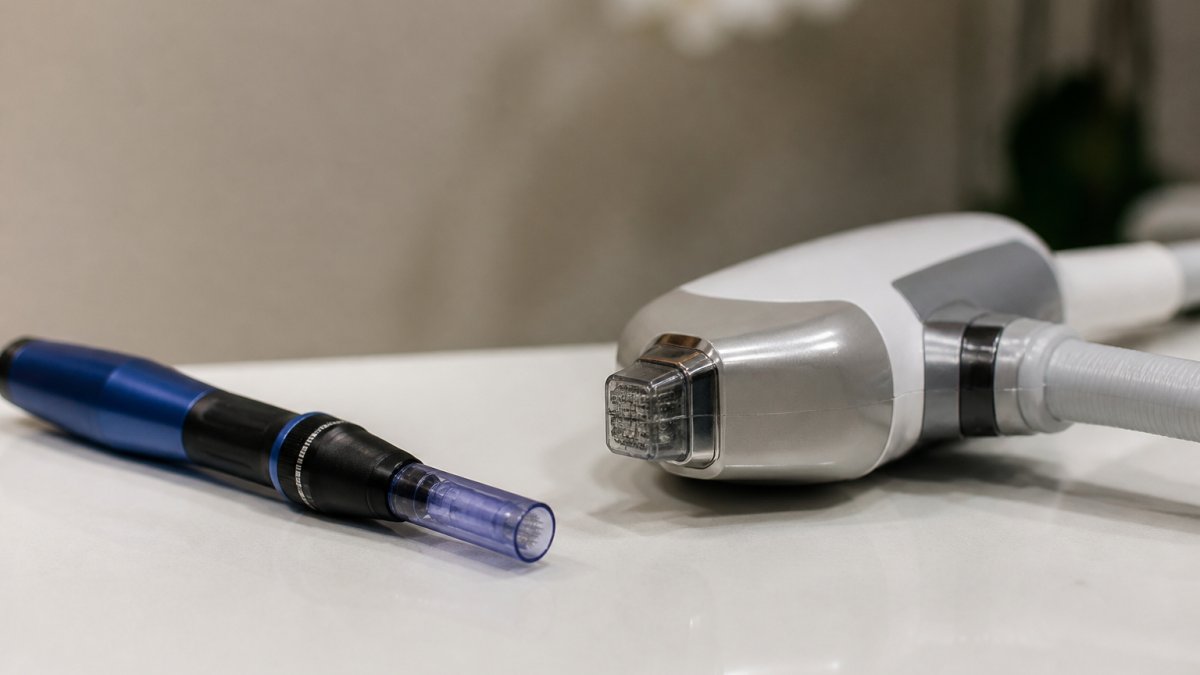
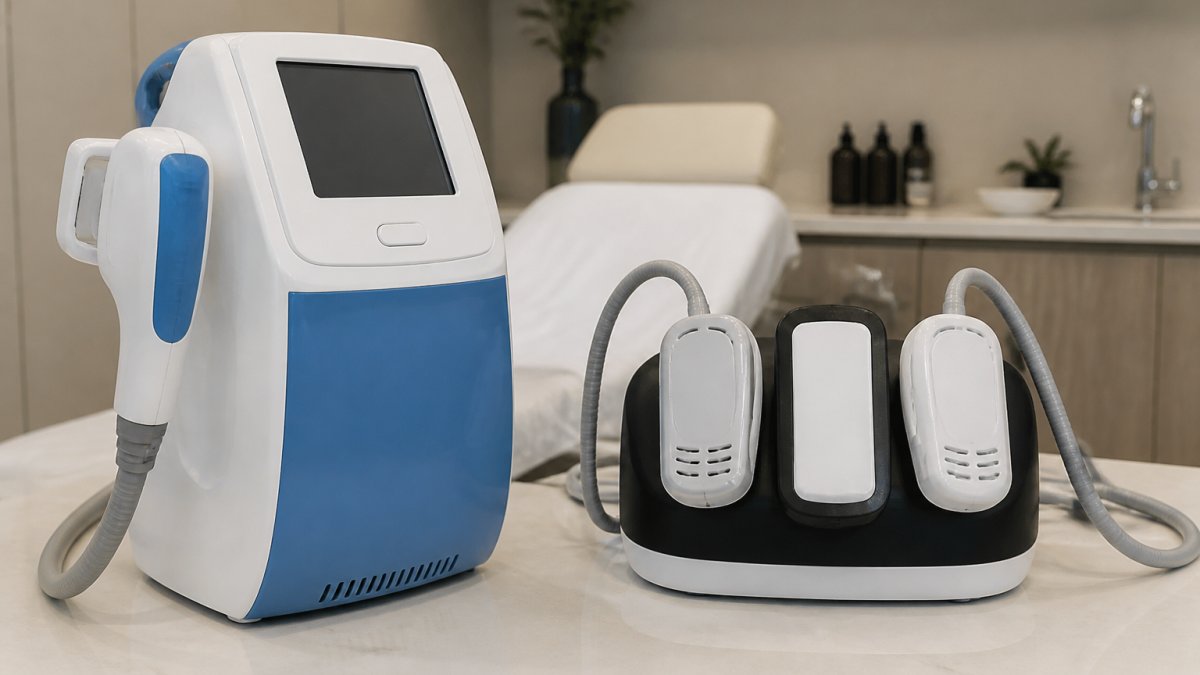
 comparison
CoolSculpting vs Emsculpt for Stomach Fat: 2026 Guide
Last Updated: October 22, 2026
Quick Summary
CoolSculpting vs Emsculpt is a choice between fat removal and muscle building: CoolSculpting freezes and permanently reduces pinchable abdominal fat cells, while Emsculpt uses electromagnetic contractions to build and tone abdominal muscle. Choose CoolSculpting for stubborn fat, Emsculpt for weak tone, or combine them fat-first.
- CoolSculpting targets pinchable subcutaneous fat; it cannot build abs or tighten loose skin.
- A standard Emsculpt protocol is four sessions of about 30 minutes each, with no downtime.
- CoolSculpting results appear over one to three months; neither treatment works overnight.
- For combination treatment, reduce the fat layer first, then build muscle underneath.
- People with pacemakers, metal implants, or pregnancy should not receive Emsculpt.
Table of Contents
- CoolSculpting vs Emsculpt for Stomach Fat: The Core Difference
- CoolSculpting for Belly Fat: What It Can and Cannot Do
- Emsculpt Treatment Sessions and Results: What to Expect
- CoolSculpting vs Emsculpt Cost: What Drives the Price
- CoolSculpting and Emsculpt Combination Treatment for the Abdomen
- Risks, Side Effects, and Who Should Avoid Each Treatment
- Which Treatment Is Right for Your Stomach? A Decision Framework
- Frequently Asked Questions
CoolSculpting vs Emsculpt for Stomach Fat: The Core Difference
CoolSculpting vs Emsculpt comes down to one question: are you trying to remove fat, or build muscle? CoolSculpting is a fat-reduction treatment that uses controlled cooling to target pinchable abdominal fat. Emsculpt is a muscle-building treatment that uses high-intensity electromagnetic energy to trigger supramaximal muscle contractions.
During body contouring consultations, patients are often guided through the differences between these treatments. Most people arrive assuming the two treatments compete. They don't, really.
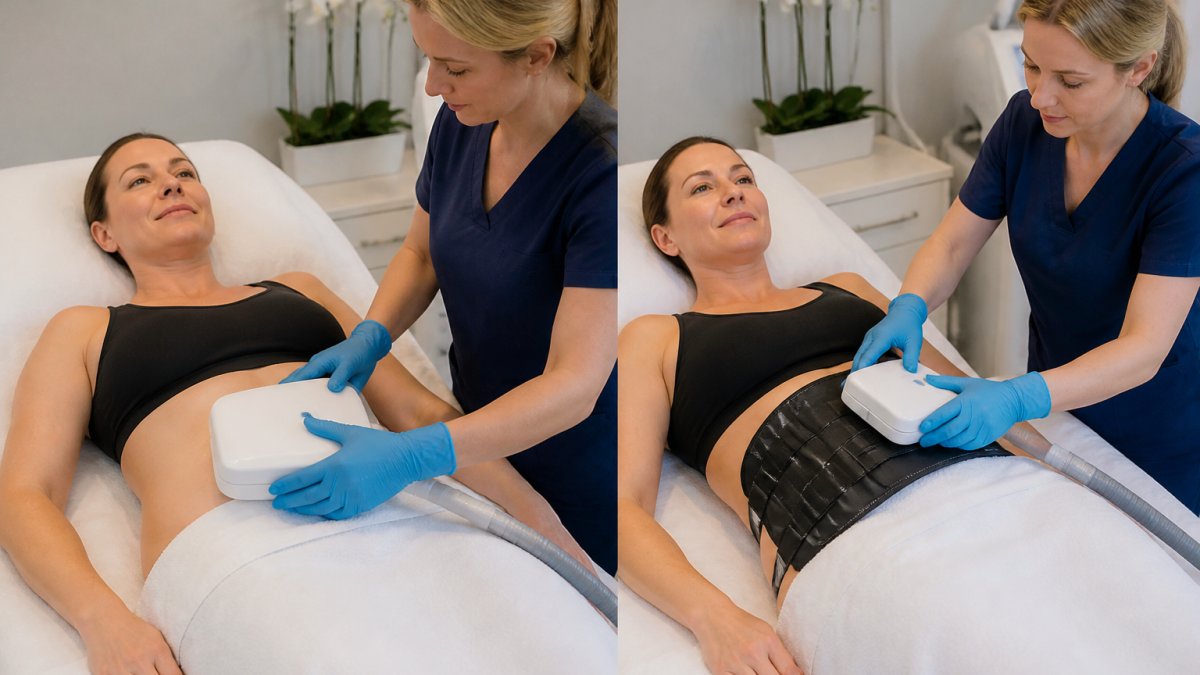
How CoolSculpting Works on Abdominal Fat
CoolSculpting uses cryolipolysis, a process where an applicator pulls a fold of tissue into a cup and cools it to a precise temperature. Fat cells are more vulnerable to cold than the surrounding skin and muscle, so they break down while other tissue stays protected. Your body then clears those dead fat cells over the following weeks and months.
The treatment targets the subcutaneous fat layer, the soft, pinchable fat sitting just under the skin. It works best on small to moderate fat pockets that resist diet and exercise. It does nothing for muscle tone, and it will not tighten loose skin.
How Emsculpt and Emsculpt Neo Work
Emsculpt delivers high-intensity focused electromagnetic energy into the abdominal muscles, forcing contractions far stronger than anything you can produce voluntarily. One session produces thousands of contractions, which the muscle reads as intense exercise. The result is muscle building and toning, not fat removal.
Emsculpt Neo adds radiofrequency energy to the same session. The radiofrequency heats tissue and, according to published treatment overviews from the Cleveland Clinic, the combined approach is designed to address both fat reduction and muscle definition. That makes Neo the closer competitor to CoolSculpting, which is why most "CoolSculpting vs Emsculpt" comparisons really mean "CoolSculpting vs Emsculpt Neo."
CoolSculpting for Belly Fat: What It Can and Cannot Do
CoolSculpting for belly fat works on stubborn abdominal pockets that survive years of diet and exercise. It reduces the number of fat cells in the treated area, and those cells do not grow back. That is permanent fat-cell reduction, not temporary shrinking.
What it cannot do: build abs, tighten skin, or substitute for weight loss. If you have a significant amount of fat to lose, or if your abdominal skin is loose after pregnancy or weight change, a fat-freezing treatment alone will likely disappoint you. Candidacy matters more than the device.
Emsculpt Treatment Sessions and Results: What to Expect
Emsculpt treatment sessions and results follow a predictable pattern. A standard protocol runs four sessions of about 30 minutes each, spaced a few days apart. Most providers describe the treatment as comfortable, with a tapping or pulling sensation and no downtime afterward.
Results build gradually. Muscle tone typically becomes noticeable within a few weeks of finishing the course, with continued improvement over the following months as the muscle responds. The cited comparison notes that fat-cell changes from CoolSculpting appear over one to three months.
Maintenance matters. Muscle gained through Emsculpt will fade if you stop moving entirely, so most patients pair it with some resistance training.
CoolSculpting vs Emsculpt Cost: What Drives the Price
CoolSculpting vs Emsculpt cost is not a single number, and treating it like one is how people overpay. Both are priced per treatment course rather than per outcome, and the drivers differ.
CoolSculpting pricing factors. CoolSculpting is typically priced per applicator cycle.
Emsculpt and Emsculpt Neo pricing factors. Emsculpt is usually sold as a four-session protocol, and Emsculpt Neo, which adds radiofrequency, is priced higher per session than standard Emsculpt.
Cost per outcome, not cost per session. The useful comparison is what you are buying. If your goal is fat reduction, you are paying for CoolSculpting cycles; if your goal is muscle definition, you are paying for Emsculpt sessions.
Questions to ask before you pay.
- What is the total cost for the full recommended course, not just the first session?
- How many cycles or sessions does that include, and for which areas?
- Is maintenance included, and what does it cost if recommended later?
- What happens if results fall short, is there a revision or touch-up policy?
- Are consultations, follow-ups, and any needed garments included?
Price is only half the value equation. The other half is whether the treatment matches your body composition and goal, which is why the candidacy and decision sections below matter as much as the invoice.
CoolSculpting and Emsculpt Combination Treatment for the Abdomen
CoolSculpting and Emsculpt combination treatment is where the stomach conversation gets interesting. The two treatments address different tissue layers, so a provider can reduce the fat layer first, then build and define the muscle underneath. Patients chasing a flatter, more defined abdomen often want both.
Sequencing usually matters. Fat reduction comes first, because removing the fat layer reveals the muscle work that follows. Your provider will space the treatments and confirm candidacy before layering them. This is a plan, not a package you buy blind.
Risks, Side Effects, and Who Should Avoid Each Treatment
Both treatments are noninvasive and generally well tolerated in published clinical use, but "noninvasive" is not the same as "risk-free." A balanced read of the safety evidence matters more than a list of possible side effects.
CoolSculpting: common and uncommon effects. Typical side effects are temporary and resolve on their own: redness, numbness, swelling, bruising, and tenderness in the treated area, sometimes lasting days to a few weeks. A rare but documented complication is paradoxical hyperplasia, in which the treated fat enlarges rather than shrinks; it is uncommon but is a recognized reason to choose an experienced, credentialed provider who can assess and manage it (pubmed.ncbi.nlm.nih.gov).
Emsculpt and Emsculpt Neo: common and uncommon effects. The most common complaint is muscle soreness resembling a hard workout, plus occasional temporary abdominal cramping.
Who should pause and get evaluated first. A proper clinical evaluation should come before either treatment if you have:
- A hernia or suspected hernia in the treatment area
- Significant skin laxity or diastasis recti after pregnancy
- A body contouring goal better served by surgery
- Significant weight still to lose
- Any implanted electronic device or metal implant in the area
- A bleeding disorder or current use of blood thinners (provider-dependent)
What the safety evidence does and does not tell you. Cryolipolysis and high-intensity focused electromagnetic treatments have been studied and are cleared for body contouring, but reported outcomes vary by device generation, protocol, and patient selection.
If you have any of the conditions above, or if you are unsure, consult a qualified clinician before booking either treatment. A consultation is the appropriate place to confirm candidacy, not a sales step to skip.
Which Treatment Is Right for Your Stomach? A Decision Framework
Which treatment is right for your stomach depends on what you are actually seeing in the mirror. Use this framework as a starting point, then confirm with a consultation.
- Pinchable fat, thin muscle tone: Start with CoolSculpting.
- Thin fat layer, weak or undefined abs: Start with Emsculpt.
- Both fat and tone concerns: Consider combination treatment, fat first.
- Significant weight to lose: Neither. Focus on weight loss first.
- Loose skin after pregnancy or weight change: Ask about skin tightening options before either.
- Hernia, implants, or pregnancy: Emsculpt is not appropriate; discuss alternatives.
Customized treatment plans are often built around this kind of assessment rather than selling a single device. A team can evaluate your body composition, goals, and timeline, then recommend the approach that fits. If you have been frustrated by stubborn abdominal pockets that ignore every diet and workout, a proper consultation is the honest first step.
U.S. Food and Drug Administration guidance on body contouring devices
Frequently Asked Questions
What is the difference between CoolSculpting and Emsculpt for stomach fat?
CoolSculpting uses controlled cooling (cryolipolysis) to target pinchable fat in the abdominal layer, and the body clears those fat cells over roughly one to three months. Emsculpt uses high-intensity electromagnetic energy to trigger muscle contractions, building and toning abdominal muscle, and Emsculpt Neo adds radiofrequency so it can address fat alongside muscle. In short, CoolSculpting is fat reduction first; Emsculpt is muscle building first. Your treatment goals decide which fits better, and a consultation can confirm candidacy.
Can Emsculpt reduce stomach fat, or does it mainly build muscle?
Standard Emsculpt focuses on muscle toning through induced contractions, so its main benefit is muscle definition rather than fat removal. Emsculpt Neo combines that muscle work with radiofrequency, which the manufacturer positions as also reducing fat. If stubborn abdominal fat is your primary concern, a fat-focused option like CoolSculpting may be the better starting point. If your goal is a firmer, more defined midsection, Emsculpt or Emsculpt Neo may suit you better. A provider can assess which matches your body composition.
How many CoolSculpting or Emsculpt sessions are needed for the stomach?
CoolSculpting is typically planned per treatment area, and the number of cycles depends on how much pinchable fat you have and how many applicators your abdomen needs; many patients need more than one session. Emsculpt is commonly described in a four-treatment protocol, with sessions spaced about a week apart. Your provider will map a plan after examining your abdomen. Pricing and protocols vary by provider, so ask for a written treatment plan before committing.
Can you use CoolSculpting and Emsculpt on the same abdomen?
Yes, some providers combine them, usually sequencing fat reduction first and muscle toning afterward so each treatment targets a different layer. This is sometimes called a combination treatment. It is not right for everyone, and timing matters because CoolSculpting results develop over one to three months. A qualified provider should confirm candidacy, set the order of treatments, and explain expected outcomes. Ask about total cost and the full timeline before starting a combined plan.
Which has more downtime or discomfort: CoolSculpting or Emsculpt?
Both are noninvasive with no surgical recovery, but sensations differ. CoolSculpting involves intense cold and pulling during the session, and the area can feel numb, tender, or temporarily bruised afterward. Emsculpt feels like strong muscle contractions, and most people return to normal activity right away, sometimes with mild soreness like after a workout. Neither guarantees a pain-free experience. Discuss comfort measures and any contraindications with your provider during consultation.
The hardest part of CoolSculpting vs Emsculpt is not choosing a technology. It is knowing which one matches your body and your goal. Lumyn Medspa offers body contouring as part of a full menu of aesthetic services, with customized treatment plans, advanced technology, and a team that will tell you honestly when a treatment is not right for you. Book a consultation with Lumyn Medspa and get a plan built around your actual abdomen, not a sales pitch.