 blog
Is a Full Face Laser Treatment Painful?
Last Updated: November 3, 2026
Quick Summary
Yes, a full face laser treatment feels like quick, hot snaps against the skin, but it is very manageable with the right prep. Discomfort comes in short bursts as the device pulses, with breaks between pulses. A full face laser session usually runs 30 to 60 minutes, so comfort planning matters.
- Ablative CO2 laser causes the most discomfort and 7-14 days of visible healing.
- Topical lidocaine cream is applied 20 to 30 minutes before treatment to numb the epidermis.
- Built-in cold air cooling blasts the skin milliseconds before and after each pulse.
- The forehead and upper lip tend to sting more than the cheeks during treatment.
- Avoid caffeine on treatment day because it heightens nerve sensitivity and jitteriness.
Table of Contents
- What a Full Face Laser Actually Feels Like
- Types of Laser Treatments for Face: Which Hurt More
- Numbing Options and Pain Management Before and During Treatment
- Side Effects of Laser Treatment on Face That Affect Comfort
- Full-Face Laser Treatment Recovery: What the First Week Feels Like
- Laser Skin Resurfacing Before and After: Setting Realistic Comfort Expectations
- Preparing for Your Full Face Laser Consultation at Lumyn Medspa
- Frequently Asked Questions
What a Full Face Laser Actually Feels Like
Is a full face laser treatment painful? Yes, most people feel something, but "painful" is a loaded word.
Here is the part most guides skip. Discomfort is not constant. It comes in short bursts as the device pulses across your face. Between pulses, you get a break.
The feeling depends on the laser type, your skin, and how well your provider preps you. A full face laser session usually runs 30 to 60 minutes, so comfort planning matters.
The Rubber Band Snap, Explained
People describe the sensation as a rubber band snapping against the skin. That comparison is close, but incomplete.
You will also feel heat. The device delivers thermal energy into the epidermis and dermis to trigger collagen production. That heat is the working part, and it is what you notice.
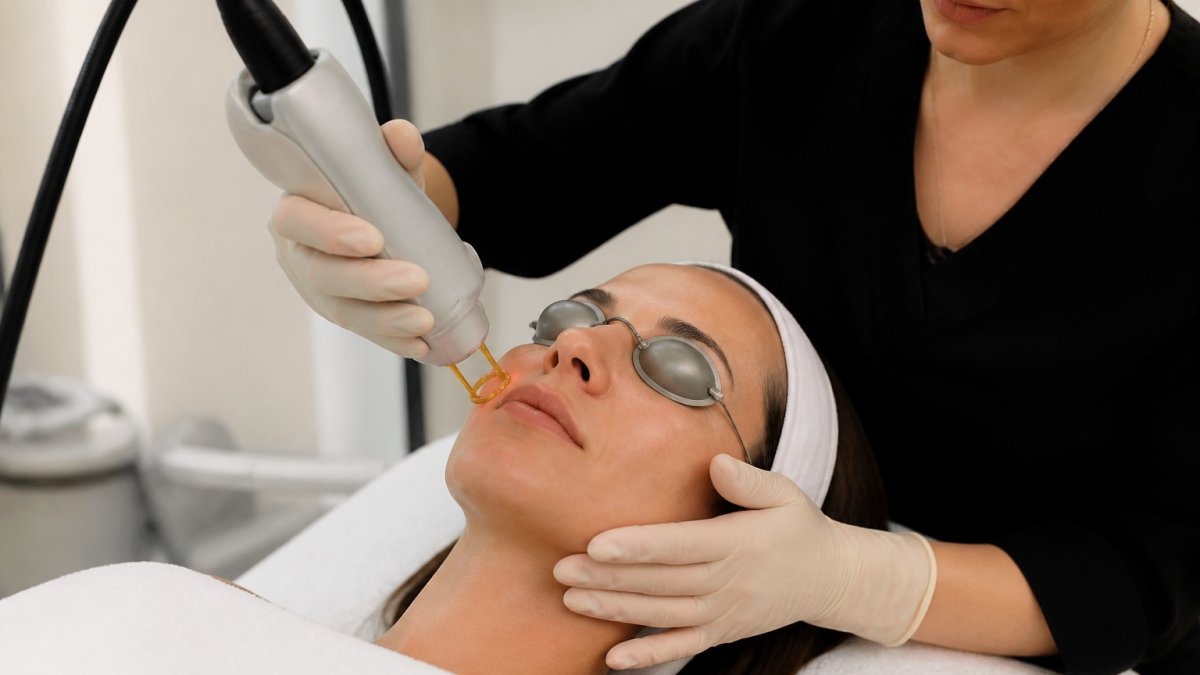
Cooling systems built into modern devices blow cold air as the laser fires. Many patients say the cold blast is as noticeable as the pulse itself.
Types of Laser Treatments for Face: Which Hurt More
Not all facial lasers feel the same, and the difference is not marketing. It comes down to wavelength, pulse structure, and how deep the device pushes thermal energy. Two patients can sit in the same chair, under the same device, and report very different pain scores because their skin type, oiliness, and nerve density vary.
Here is how the main categories compare in comfort, mechanism, and downtime:
- Ablative CO2 laser (10,600 nm): vaporizes the entire epidermis and heats the dermis. Strongest heat, longest downtime (7-14 days of visible healing), and the most discomfort. Best reserved for significant sun damage, scarring, or deep wrinkles.
- Fractional ablative laser (e.g., fractional CO2 or erbium): treats columns of skin, leaving untreated bridges between them. Moderate sting, moderate downtime (3-7 days). The untreated columns speed healing and reduce total pain compared with full-field ablative.
- Non-ablative fractional laser (e.g., 1,550 nm or 1,927 nm): leaves the surface intact and delivers heat below it. Milder sensation, little to no downtime. Often described as warm pinpricks rather than snaps.
- Pulsed-dye laser (e.g., 595 nm): targets blood vessels and redness. Feels like a quick warm snap; commonly used for rosacea and broken capillaries.
- Intense pulsed light (IPL): not a true laser, it is a broad-spectrum light. Most patients describe a warm flick or slight sting, and it is generally the mildest option on this list.
Why Skin Type Changes the Pain Equation
Fitzpatrick skin type matters more than most guides admit. Type I-II skin (fair, burns easily) tends to be more reactive to ablative heat and often needs lower fluence and more aggressive cooling.
Specific conditions also shift sensitivity. Rosacea-prone skin is often more reactive to heat and may sting more during pulsed-dye or IPL passes. Skin that is actively inflamed, recently exfoliated, or sunburned will feel more than calm, well-prepped skin. Tell your provider about any active flare, recent retinoid use, or photosensitivity medication before the device is turned on.
The Depth-to-Discomfort Rule
The general pattern practitioners follow: the deeper the thermal injury, the more discomfort during and after treatment. Ablative CO2 sits at the top of that scale; non-ablative fractional and IPL sit at the bottom.
If you are weighing laser against another option, our comparison of microneedling vs laser resurfacing for skin texture breaks down how each one feels.
Numbing Options and Pain Management Before and During Treatment
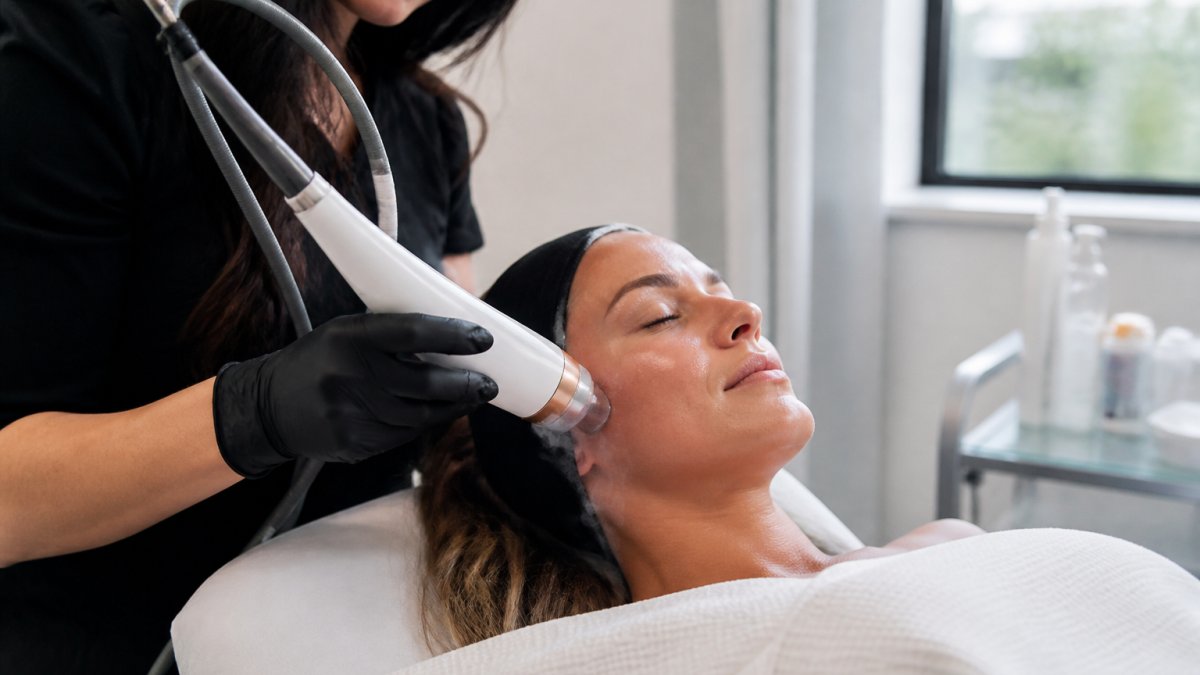
Pain management for a full face laser is layered, not a single cream. The goal is to blunt the sharp snap of each pulse while keeping you comfortable enough to stay still, because movement during a pass is what causes uneven treatment and, occasionally, a burn.
Topical Anesthetic: The Standard First Layer
A topical lidocaine cream (typically 4%-5%, sometimes compounded with prilocaine) is the baseline. It numbs the epidermis and takes the edge off each pulse. Providers apply it 20 to 30 minutes before treatment and often occlude it with plastic wrap to improve absorption.
Topical cream is enough for most non-ablative and fractional sessions. It is simple, low-risk, and you stay fully awake. The trade-off: it numbs the surface, not the deeper dermis where ablative heat lands, so it takes the edge off rather than eliminating sensation.
Injectable Anesthesia: When It Is Worth It
For aggressive ablative resurfacing, some clinics offer injectable numbing, a nerve block or local infiltration. This blocks pain signals along a nerve and numbs a wider, deeper area. The trade-off is more setup time, a longer numbing period afterward, and the small risks that come with any injection. It is reserved for heavy ablative passes, not routine rejuvenation.
A practical comparison:
| Method | Onset | Depth of numbness | Best for | Recovery impact |
|---|---|---|---|---|
| Topical lidocaine cream | 20-30 min | Epidermis | Non-ablative, fractional, IPL | None |
| Injectable nerve block / local | Minutes after injection | Deep, along nerve | Ablative CO2, aggressive resurfacing | Numbness may linger hours |
| Cold air / cryogen cooling | Immediate | Surface heat relief | All laser types | None |
Ask your provider which one fits your treatment plan. A good clinic will match the numbing to the laser, not the other way around.
Cooling: The Real-Time Layer
Built-in cold air, chilled gel, and skin-cooling rollers reduce the heat sensation as the device fires. Many modern lasers have integrated cryogen or forced-air cooling that blasts the skin milliseconds before and after each pulse. Patients often say the cold blast is as noticeable as the pulse itself, which is the point: it competes with the heat signal and lowers perceived pain.
What You Can Do During the Session
This is where most guides stop, and it is the part that actually changes the experience. Pain is not just a physical signal; anxiety amplifies it. A few concrete techniques help:
- Breathing: slow, steady exhales during each pass. Holding your breath tenses the face and makes the snap feel sharper.
- Ask for a pause: a good provider will stop between passes. Use that break to relax your jaw and shoulders.
- Squeeze a stress ball or the bed rail: redirecting tension to your hands keeps your face still.
- Request a cooling roller between passes: it resets the skin temperature and gives you a sensory break.
- Speak up early: if a setting feels too hot, say so before the provider finishes the pass. Adjusting fluence mid-session is normal and safer than enduring it.
Preparing Your Mind, Not Just Your Skin
Anxiety management before the appointment is underrated. Patients who arrive well-rested, hydrated, and informed tend to report lower pain.
Your pain threshold also varies by facial area. The forehead and upper lip tend to sting more than the cheeks because the skin is thinner and nerve density is higher.
Watch out: check with your provider before using any numbing cream at home, since over-application or prolonged occlusion can cause side effects.
If you want to stack the odds in your favor, read our guide on how to prepare skin for laser treatments before your appointment.
Side Effects of Laser Treatment on Face That Affect Comfort
The discomfort does not stop when the session ends. Expect redness, called erythema, and mild swelling, called edema. Both are normal and both fade.
Your skin may feel tight, warm, and sensitive for a few days. Some patients describe it like a mild sunburn.
Watch out: picking at treated skin or skipping sun protection can turn mild redness into lasting pigment changes. Follow your aftercare instructions exactly.
For a full walkthrough of calming redness, see our guide on managing redness after laser skin treatment.
Full-Face Laser Treatment Recovery: What the First Week Feels Like
Recovery comfort depends on the laser. Recovery depends on the laser type. Ask your provider what to expect for the specific device used.
A typical first week looks like this:
- Days 1-2: warmth, tightness, and swelling peak
- Days 3-4: skin may feel dry and begin to flake
- Days 5-7: redness fades and texture starts to smooth
Recovery time varies by treatment type, so ask your provider for an expected timeline for the device they plan to use. For a detailed day-by-day look at what each day of healing feels like, see our laser skin rejuvenation recovery timeline.
Laser Skin Resurfacing Before and After: Setting Realistic Comfort Expectations
Before-and-after photos show results, not the process. The honest expectation is this: you will feel heat during treatment and tenderness after, and both are temporary.
Here is what to expect at each stage:
| Stage | What You Feel | What You See |
|---|---|---|
| During session | Heat, snapping pulses | Immediate mild redness |
| Days 1-3 | Warmth, tightness | Peak redness and swelling |
| Week 1-2 | Dryness, flaking | Fading redness, fresh skin |
| Weeks 3-12 | Normal sensation | Gradual texture and tone gains |
The U.S. Food and Drug Administration offers consumer guidance on laser products and what to ask before treatment. The American Academy of Dermatology also publishes patient information on laser resurfacing and skin safety.
Preparing for Your Full Face Laser Consultation at Lumyn Medspa
A consultation is where comfort planning starts. Lumyn Medspa offers customized treatment plans, so a consultation is a good place to build a plan around your skin and your goals.
Lumyn Medspa offers injectables, laser skin rejuvenation, body contouring, and wellness management, with treatment plans tailored to each client.
Bring your questions. Ask about numbing, healing time, and aftercare. A provider who explains the process clearly is a provider you can trust.
Ready to talk through your options? Book Now to start a consultation.
Frequently Asked Questions
How bad does a full face laser treatment hurt?
Most people describe a full face laser as a series of quick, hot pinches, often compared to a rubber band snapping against the skin. The discomfort lasts seconds per pass, and providers typically apply a topical anesthetic beforehand to take the edge off. How much you feel depends on the laser type, your pain threshold, and the depth of treatment. Non-ablative and fractional lasers tend to feel milder than deeper ablative resurfacing, and cooling systems used during the session help reduce the heat sensation.
What are the side effects of laser treatment on face that I should expect?
Redness (erythema) and mild swelling (edema) are the most common side effects, and both are part of the normal healing process. Some people notice a sunburn-like tightness, slight stinging, or dry, flaky skin for a few days. Less common risks include blistering, changes in pigmentation, or infection, which is why a consultation with a qualified provider matters. Following aftercare instructions, including sun protection and gentle skincare, helps minimize these side effects and supports smoother healing.
How long does full-face laser treatment recovery take?
Recovery depends on the type of laser. Recovery depends on the type of laser, and your provider can explain the expected timeline for the device used. Your provider will give you a timeline based on the specific laser and settings used for your skin.
Are you awake during full-face laser resurfacing?
Yes, you are awake during most full face laser treatments. Providers typically use topical anesthetic cream, and some practices offer nerve blocks or oral sedation for deeper ablative procedures. General anesthesia is rarely needed for laser resurfacing. If you are anxious about pain, talk to your provider about sedation options and psychological preparation, such as breathing techniques or a walkthrough of the steps, so you know what to expect during the session.
Full face laser discomfort is real, but it is short-lived and manageable with the right prep and provider. If pain is your main worry, start with a conversation, not a Google search. Lumyn Medspa offers customized treatment plans, advanced laser technology, and a team that walks you through every step. Get started with Lumyn Medspa and book a consultation to find the right laser plan for your skin.