 ultimate-guide
Laser Skin Rejuvenation Recovery: What to Expect
Table of Contents
- Understanding Laser Skin Rejuvenation Recovery Time
- Ablative vs Non-Ablative Laser Recovery: Key Differences
- Recovery Timeline: What Happens Each Week
- How to Manage Swelling After Laser Treatment
- Laser Skin Resurfacing Aftercare Tips for Optimal Healing
- Recognizing Complications and When to Seek Help
- Returning to Normal Activities and Work
- Conclusion
Last Updated: August 28, 2026
Understanding Laser Skin Rejuvenation Recovery Time
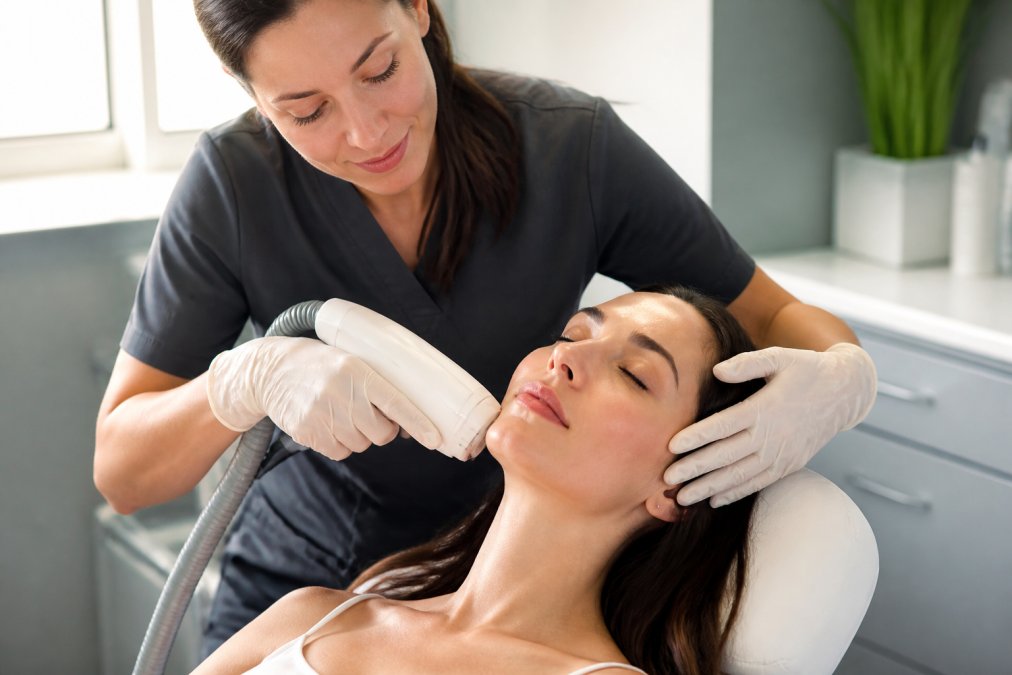
Laser skin rejuvenation recovery time varies depending on the type of laser used and treatment intensity. Your skin actively repairs itself during recovery, rebuilding collagen and remodeling damaged tissue. What you do, and don't do, directly impacts your final outcome.
Complications are rare when you follow proper aftercare, but recovery requires real commitment. You'll need to adjust your daily routine, protect your skin from sun exposure, and resist picking or over-treating your face while it heals.
Ablative vs Non-Ablative Laser Recovery: Key Differences
The type of laser determines your recovery timeline more than anything else. Ablative lasers remove the outer layer of skin, creating a controlled wound that heals over 1-2 weeks (the FDA). Non-ablative lasers work beneath the skin's surface without removing tissue, allowing faster recovery but requiring more treatment sessions for comparable results.
Ablative laser recovery is more intensive. CO2 and erbium lasers fall into this category. Your skin will ooze, crust, and peel visibly for 7-14 days with significant redness and swelling. Results are typically more dramatic because the laser removes damaged skin directly. Most people need just one or two sessions for meaningful improvement in sun damage, scars, or texture.
Non-ablative laser recovery is gentler on appearance. Fractional non-ablative lasers create microscopic columns of thermal injury without removing the epidermis. You might have mild redness and swelling for 24-48 hours, then look relatively normal. The trade-off: you typically need 4-6 sessions spaced 2-4 weeks apart to match one ablative treatment. If your work schedule is inflexible, non-ablative is practical. If you can manage downtime, ablative often delivers faster, more dramatic results.
Lumyn Medspa's team can assess your specific needs during a consultation and recommend the approach that aligns with your lifestyle and expectations.
Recovery Timeline: What Happens Each Week
Days 1-3: The Critical First Phase
The first 72 hours after laser treatment are when your skin is most vulnerable and most active in healing. Swelling peaks around 24-48 hours. Your skin will feel tight, hot, and uncomfortable, this is normal and typically subsides by day 3.
During these three days, keep the treated area clean, moisturized, and protected from infection. Gently cleanse with lukewarm water and a non-irritating cleanser, then apply prescribed topical ointment or healing balm. Avoid all active ingredients, no retinoids, vitamin C, or acids. Your skin barrier is compromised and needs time to repair.
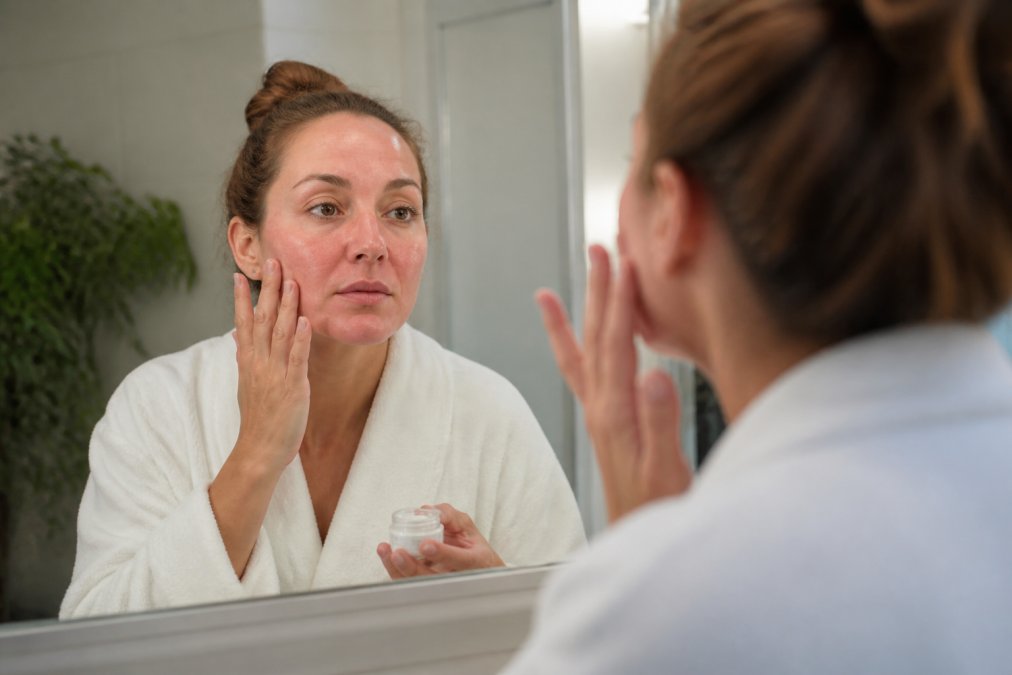
Sleep with your head elevated on 2-3 pillows to minimize swelling. Apply cold compresses for 10-15 minutes several times daily if swelling is significant. Avoid hot showers, saunas, and strenuous exercise, heat increases blood flow and worsens inflammation.
Days 4-7: Peeling and Adjustment
By day 4, visible peeling begins as damaged outer layers separate. This looks worse than it feels. Resist picking or peeling manually; let it happen naturally. Picking can cause scarring, infection, or uneven healing. Peeling typically peaks around days 5-7 and subsides by day 10.
Continue gentle cleansing and moisturizing. Apply broad-spectrum sunscreen with at least SPF 30 even indoors (the American Academy of Dermatology). Wearing a wide-brimmed hat and staying indoors during peak sun hours (10 a.m. to 4 p.m.) makes this phase more manageable. Mild itching is common as new skin forms, resist scratching. By the end of week 1, you should see new, smoother skin emerging beneath the flaking.
Weeks 2-4: Visible Improvement Begins
By week 2, most visible peeling is done. Your skin will still be slightly red and sensitive but looking more normal. You can cautiously return to light makeup around week 3 once the skin barrier stabilizes.
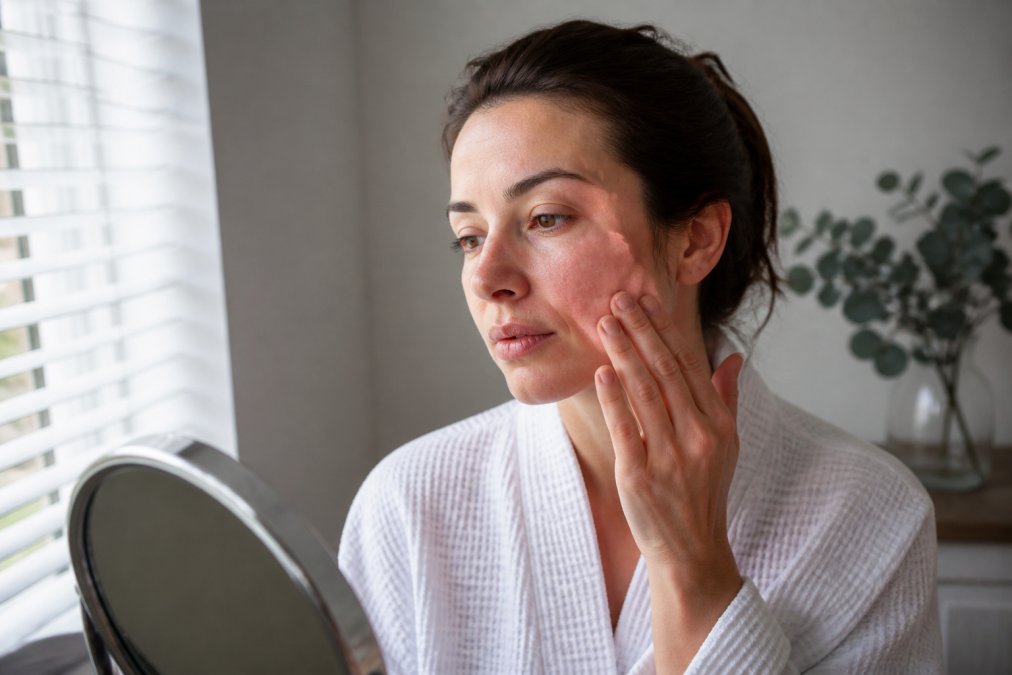
Redness gradually fades over weeks 2-4. The rate varies depending on your skin's natural healing speed, treatment intensity, and aftercare adherence. Sun exposure during this phase can cause post-inflammatory hyperpigmentation, which delays final results by weeks or months. Strict sun protection is non-negotiable.
By week 4, you should see meaningful improvements in texture, fine lines, and sun damage. Your skin will feel smoother and look more even-toned. Collagen remodeling continues for months, with full results typically appearing by 3-6 months.
How to Manage Swelling After Laser Treatment
Swelling is one of the most frustrating aspects of recovery, especially around the eyes and cheeks. Peak swelling occurs 24-48 hours after treatment (peer-reviewed research). Cold therapy is your best tool, apply ice packs for 10-15 minutes at a time, several times daily, wrapped in a clean cloth.
Elevation matters significantly. Sleep with your head elevated on 2-3 pillows for the first week. Avoid salt, alcohol, and excessive heat during the first few days, as these increase swelling. Some providers recommend over-the-counter anti-inflammatory medication like ibuprofen for the first 24-48 hours, though check with your provider first.
If swelling persists beyond 2 weeks or worsens after initial improvement, contact your provider. Unusual or prolonged swelling can indicate infection or an atypical reaction.
Laser Skin Resurfacing Aftercare Tips for Optimal Healing
Daily Skincare Routine During Recovery
Your skincare routine during recovery should be stripped down to essentials: cleanse, hydrate, protect, and heal.
Cleanse gently. Use a soft washcloth or fingertips with lukewarm water and fragrance-free cleanser. Pat dry, don't rub.
Hydrate immediately. Apply a hydrating toner or essence while skin is slightly damp. Hyaluronic acid supports barrier repair. Follow with a rich moisturizer. During peeling (days 4-7), you may need to moisturize 2-3 times daily.
Protect with sunscreen. Apply broad-spectrum SPF 30 or higher every morning, even indoors. Reapply every 2 hours if outdoors. Sun exposure during recovery causes permanent post-inflammatory hyperpigmentation.
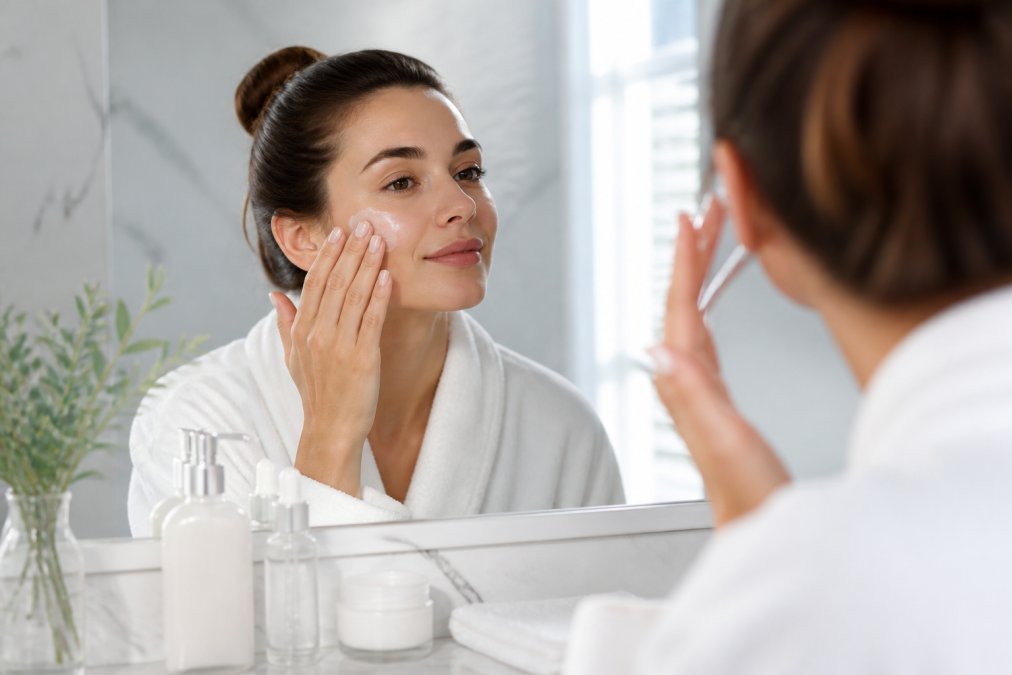
Heal with prescribed treatments. Use topical ointment or healing balm as directed. Antibiotic ointment prevents infection during the open-wound phase (days 1-7 for ablative treatments).
Avoid all active ingredients for the first 2-4 weeks: no retinoids, vitamin C, AHAs, BHAs, or peptides. You can gradually reintroduce actives starting in week 3-4, but go slowly.
Sun Protection and Lifestyle Adjustments
Sun protection during recovery is the difference between good results and disappointing ones. UVA and UVB rays cause permanent hyperpigmentation in healing skin, which can take 6-12 months to fade.
For the first 4 weeks, limit outdoor time to early morning (before 10 a.m.) or late evening (after 4 p.m.). Wear a wide-brimmed hat, sunglasses, and lightweight long sleeves. Apply sunscreen every 2 hours outdoors.
Avoid swimming, hot tubs, and chlorinated pools for at least 1-2 weeks. Avoid intense exercise for the first week, sweating increases blood flow and worsens swelling. Light walking is fine; resume moderate exercise by week 2 and normal workouts by week 3-4.
Avoid touching your face. Touching introduces bacteria and disrupts healing. Alcohol and caffeine dehydrate your system and increase inflammation, limit or avoid for the first 2 weeks. Drink extra water to support healing. Prioritize 7-9 hours of sleep per night; your body does most repair work during sleep.
Recognizing Complications and When to Seek Help
Most people recover without complications. Infection is the most serious potential complication, though rare. Signs include increasing pain after day 3, pus or unusual discharge, fever, or red streaking. Contact your provider immediately if suspected.
Prolonged erythema beyond 4-6 weeks is unusual and should be mentioned at your follow-up appointment. Post-inflammatory hyperpigmentation appears as dark patches starting around week 2-3, usually from sun exposure during recovery. Prevention is far easier than treatment.
Scarring or uneven healing is rare with modern laser technology and proper aftercare but can happen if you pick at skin or infection occurs. Allergic reactions to prescribed ointments are uncommon but possible, stop the product and contact your provider if you develop hives or severe itching.
Most complications arise from not following aftercare instructions. Your provider gives detailed instructions for a reason. Follow them, and complications are unlikely.
Returning to Normal Activities and Work
The timeline for returning to normal activities depends on laser type and treatment intensity.
Work and social activities: With non-ablative treatment, most people return to work within 24-48 hours. With ablative treatment, plan for 1-2 weeks of visible recovery.
Exercise: Light walking is fine starting day 1. Avoid sweating for the first week. By week 2, gradually return to moderate exercise. By week 3-4, resume normal workouts.
Swimming: Avoid pools for at least 1-2 weeks. Once skin has fully healed (around week 2-3), you can return with proper sun protection.
Makeup: With non-ablative treatment, wear makeup starting day 2-3 if careful. With ablative treatment, wait until week 2-3. Use minimal makeup to avoid irritation.
Skincare treatments: Avoid professional facials, chemical peels, or microdermabrasion for at least 4-6 weeks. Your skin is healing and doesn't need additional stress.
Sun exposure: Avoid intentional sun exposure for at least 4 weeks. Tanning beds are off-limits for at least 8 weeks. Listen to your skin, if something feels irritated, don't do it yet.
Conclusion
Laser skin rejuvenation recovery requires patience, but the payoff is worth it. Most people see meaningful improvements in texture, tone, and overall skin quality within 4 weeks, with continued enhancement over the following months as collagen remodels. The key to optimal results is understanding what to expect and following aftercare instructions precisely.
At Lumyn Medspa, we guide you through every phase of recovery with detailed aftercare protocols and ongoing support. When you're ready to explore laser skin rejuvenation, book a consultation with Lumyn Medspa to discuss which laser type and treatment intensity aligns with your schedule and aesthetic goals.
Frequently Asked Questions
Q: How long does redness typically last after laser skin rejuvenation recovery?
A: Redness duration depends on the laser type used. Non-ablative treatments cause mild erythema that fades within 24-48 hours. Ablative procedures like CO2 laser resurfacing produce more significant redness that can persist for 5-7 days initially, with residual pink tones lasting 2-4 weeks. Complete resolution of erythema typically occurs within 4-6 weeks as your skin barrier repairs and collagen remodeling progresses.
Q: What's the worst day after laser skin rejuvenation treatment?
A: Day 2-3 is typically the most challenging phase of laser skin rejuvenation recovery. This is when swelling peaks, oozing and crusting are most pronounced, and the skin feels tight and uncomfortable. The healing stages are most visible during this window. By day 4, swelling begins declining and you'll notice peeling starting. Having a solid recovery kit with soothing topical ointments and hydrating products helps significantly during this period.
Q: Can I return to work after laser skin rejuvenation treatment?
A: Return-to-work timing depends on your laser type and job demands. Non-ablative laser recovery allows most people to resume work within 24 hours, though you may have mild redness. Ablative treatments require 7-10 days before visible crusting resolves enough for in-person work. Remote work is possible starting day 3-4 as swelling decreases. Discuss your specific job requirements during your consultation so your provider can recommend the best laser option for your schedule.
Q: What lifestyle factors affect healing after laser skin rejuvenation?
A: Several factors influence your laser skin rejuvenation recovery timeline: sleep quality accelerates wound healing process, hydration supports trans-epidermal water loss management, smoking delays collagen remodeling, alcohol increases swelling and edema, and sun exposure causes post-inflammatory hyperpigmentation. Stress management matters too, psychological recovery is part of the overall healing experience. Avoiding strenuous exercise for 5-7 days prevents excessive blood flow that worsens swelling. Proper nutrition supports skin barrier repair.
This article was written using GrandRanker