 how-to
How to Book Anti Aging Aesthetic Treatment 2026
Table of Contents
- Step 1: Research 2026's Anti-Aging Aesthetic Treatments
- Step 2: Use an Aesthetic Treatment Consultation Checklist
- Step 3: Learn How to Choose a Medical Spa
- Step 4: Plan for Recovery Time for Aesthetic Procedures
- Step 5: Build Your Personalized Treatment Plan
- Step 6: Book Your Anti Aging Aesthetic Treatment
- Frequently Asked Questions
Last Updated: September 16, 2026
Step 1: Research 2026's Anti-Aging Aesthetic Treatments
Booking an anti aging aesthetic treatment in 2026 starts with knowing what's actually available, because the menu has changed. Injectable neuromodulators, dermal fillers, biostimulators, energy-based devices, and skin boosters now cover different concerns, and the right choice depends on whether you're targeting dynamic wrinkles, lost volume, skin laxity, or texture. This guide from Lumyn Medspa walks through the research, the consultation, and the booking process step by step so you know exactly what you're signing up for before you sit in the chair. (Source: regenerative aesthetics)
Injectables: Neuromodulators and Dermal Fillers
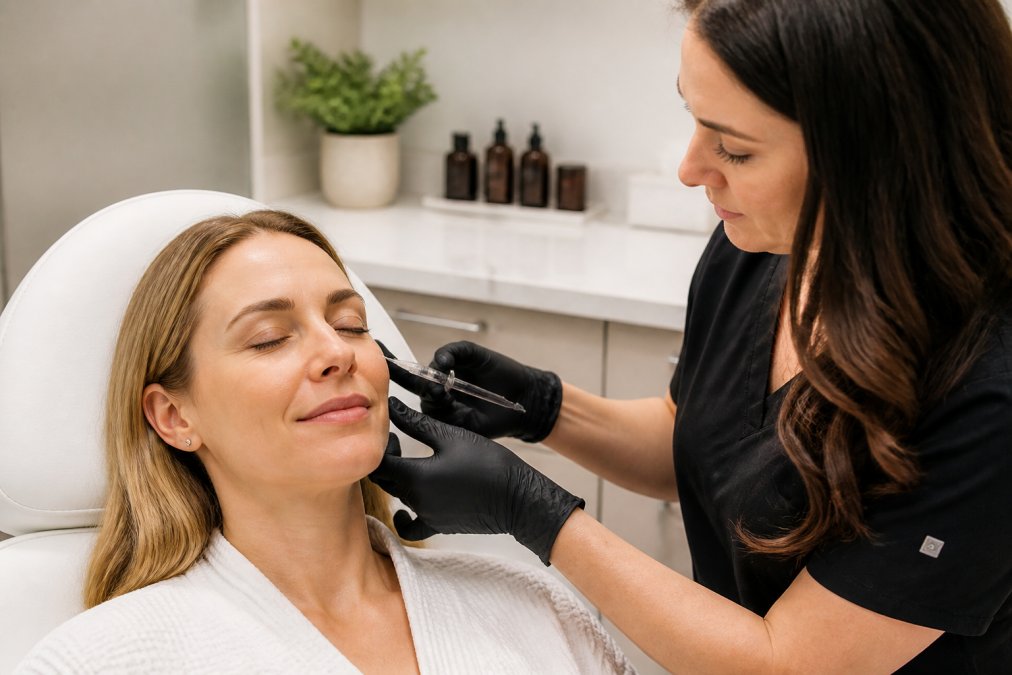
Neuromodulators soften dynamic wrinkles by temporarily limiting the muscle activity that creates them, while dermal fillers restore volume and enhance facial contours. Both remain the most requested non-surgical options, and both are administered in a single visit with minimal downtime for most patients.
Energy-Based Treatments: Laser, Radiofrequency, and Microneedling
Energy-based treatments use controlled heat or controlled micro-injuries to trigger collagen production and improve skin texture, tone, and firmness. Laser and radiofrequency devices tighten and resurface; microneedling creates controlled micro-injuries that drive skin renewal over the following weeks.
Step 2: Use an Aesthetic Treatment Consultation Checklist
Aesthetic treatment consultation checklist items turn a sales conversation into a clinical one. Bring this list to every consultation and you will leave with clear answers instead of vague promises.

- Confirm the provider's license and credentials, and ask who supervises the treatment
- Ask which products and devices will be used, by brand name
- State your medical history, medications, allergies, and prior aesthetic treatments
- Ask what results are realistic for your skin and how long they typically last
- Ask about downtime, expected side effects, and warning signs to watch for
- Request a written treatment plan with the number of sessions required
- Get total pricing in writing, including follow-up visits
- Ask what happens if you are unhappy with the outcome
Step 3: Learn How to Choose a Medical Spa
How to choose a medical spa comes down to four things: who is treating you, what they use, how they handle complications, and whether the plan fits your goals rather than a package deal. A well-run practice welcomes these questions.
Step 4: Plan for Recovery Time for Aesthetic Procedures
Recovery time for aesthetic procedures depends on the treatment, not on how tough you are. Injectables typically involve little to no downtime, with possible redness, swelling, or bruising for a few days. Laser and radiofrequency sessions often cause redness and swelling that fades over several days, while microneedling leaves skin flushed and sensitive for a short period. Deeper resurfacing carries longer recovery.
| Treatment Type | Typical Downtime | When to Schedule |
|---|---|---|
| Neuromodulators | Minimal; possible bruising | At least 2 weeks before an event |
| Dermal fillers | 1-3 days of swelling or bruising | 2-4 weeks before an event |
| Laser and radiofrequency | Several days of redness | 1-2 weeks before an event |
| Microneedling | 1-3 days of redness | 1 week before an event |
Post-Treatment Maintenance: A 2026 Home-Care Protocol
Most guides stop at the procedure. What you do in the two weeks after treatment is what determines whether your results last. A 2026-specific home-care protocol looks like this:
- Days 1-3: Gentle cleanser only, no actives. Skip retinoids, AHAs, BHAs, and vitamin C serums until the skin barrier is intact. Use a bland moisturizer and mineral sunscreen (zinc oxide or titanium dioxide) every morning, even indoors.
- Days 4-7: Reintroduce a hydrating serum (hyaluronic acid or a barrier-repair formula). Continue mineral sunscreen. Avoid strenuous exercise and saunas for 48-72 hours after injectables to reduce swelling and bruising.
- Weeks 2-4: Add a growth-factor or peptide serum if your provider recommends it, and resume retinoids at a lower frequency before building back up. Broad-spectrum SPF 30+ daily is non-negotiable, UV exposure is the single biggest driver of collagen breakdown and will undo regenerative results faster than anything else.
- Ongoing: A maintenance visit every 3-6 months for neuromodulators, 6-12 months for fillers, and annually for biostimulators keeps results from fading between sessions. At-home LED masks and gentle microneedling rollers are popular in 2026, but check with your provider before using them over treated areas.
Warning Signs to Watch For
Most side effects are mild and resolve on their own. But some signs warrant a call to your provider the same day: severe or worsening pain, blanching (white patches) around an injection site, vision changes, difficulty swallowing or breathing, or a fever. These can indicate a vascular occlusion or infection and are treatable when caught early. A clinic that gives you a direct after-hours number and a written list of warning signs has built safety into its process, ask for both before you leave.
Step 5: Build Your Personalized Treatment Plan
A personalized treatment plan sequences treatments so each one supports the next, rather than stacking procedures on top of each other. A typical plan starts with a consultation and skin assessment, then prioritizes concerns: volume restoration and wrinkle reduction first, skin quality and texture second, and maintenance last. The sequencing matters because collagen-stimulating treatments take weeks to mature, and layering an aggressive resurfacing session on top of freshly injected filler is a recipe for uneven results.
Regenerative vs. Traditional: A Cost-Benefit Framework
This is where cost-benefit thinking pays off, and it is the question most patients ask and few guides answer clearly. Regenerative options such as biostimulators (poly-L-lactic acid and calcium hydroxylapatite) and microneedling build results gradually by prompting your own collagen, while traditional fillers (hyaluronic acid) deliver immediate volume but need periodic touch-ups. Neither is universally better. The right choice depends on your budget, your timeline, and how much downtime you can absorb.
| Factor | Regenerative (Biostimulators, Microneedling) | Traditional (HA Fillers, Neuromodulators) |
|---|---|---|
| Onset of results | Gradual, over 4-12 weeks | Immediate to 2 weeks |
| Duration per session | Often 1-2 years for biostimulators | 6-18 months for fillers; 3-4 months for neuromodulators |
| Number of sessions | Series of 2-3 for microneedling | Single visit, repeat as needed |
| Downtime | 1-3 days of redness for microneedling | Minimal for injectables |
| Cost pattern | Higher upfront, spread over longer interval | Lower per visit, more frequent |
| Best for | Skin quality, laxity, overall rejuvenation | Volume loss, dynamic wrinkles, contour |
Who Should Avoid Certain 2026 Trends
Safety profiles and contraindications are the part of the plan most guides skip. Regenerative treatments are not for everyone. Biostimulators are generally avoided in patients with active skin infections, certain autoimmune conditions, or a history of keloid scarring, and they are not recommended during pregnancy or breastfeeding. Microneedling should be postponed over active acne, cold sores, or recent isotretinoin use.
Step 6: Book Your Anti Aging Aesthetic Treatment
Booking your anti aging aesthetic treatment is the simplest step once the research is done. Schedule a consultation first, confirm the provider and products in writing, and block recovery time on your calendar before you commit to a date. For injectables, most clinics ask you to avoid blood-thinning medications and alcohol for a few days beforehand, though you should follow the specific instructions your provider gives you.
Frequently Asked Questions
What are the best new aesthetic treatments for 2026?
The 2026 anti aging aesthetic landscape focuses on regenerative and bio-rejuvenation approaches. Popular options include biostimulators that support your skin's own collagen production, microneedling with radiofrequency, laser skin tightening, and skin boosters. Neuromodulators and dermal fillers remain staples for wrinkle reduction and volume restoration. Many providers now combine these in personalized treatment plans for natural-looking results. The best choice depends on your specific concerns, skin laxity, and goals, which is why a consultation is essential.
How far in advance should I book aesthetic treatments for 2026?
Booking 4 to 6 weeks ahead is a safe rule for most non-surgical anti-aging treatments, especially if you want a specific date or provider. Injectable appointments often have more availability, but laser and radiofrequency sessions may require spacing for safety and healing. If you are planning around an event, schedule your first consultation at least 2 to 3 months in advance so you can complete any series of treatments and allow for recovery time.
How do I prepare for an aesthetic consultation in 2026?
Come with a list of your concerns, a brief medical history, and any medications or supplements you take. Use an aesthetic treatment consultation checklist: ask about the provider's credentials, the products used, expected downtime, and total cost. Take photos of your skin in natural light if helpful. Avoid scheduling right before a big event. Being honest about your budget and past treatments helps your provider build a realistic plan that fits your lifestyle.
What should I look for when choosing an aesthetic medical provider?
Look for a licensed medical professional with specific training in aesthetic procedures. Check that the facility uses FDA-cleared devices and authentic, sealed products. Read reviews and ask about safety protocols and emergency plans. A good provider will offer a thorough consultation, discuss risks honestly, and never pressure you. They should also be able to show before-and-after photos of real patients and explain how they handle complications. Trust your instincts: if something feels off, seek a second opinion.
The hardest part of anti-aging treatment isn't the procedure, it's choosing the right provider and plan without wasting a year on guesswork. Lumyn Medspa offers advanced injectables, laser skin rejuvenation with Candela Nordlys®, body contouring, and wellness management, all delivered through customized treatment plans and a comprehensive service range under one roof. Get started with Lumyn Medspa and build a plan that fits your goals, your budget, and your calendar.