 blog
8 Best Non-Invasive Treatments for Cellulite
Last Updated: October 27, 2026
Quick Summary
The 8 best non-invasive treatments for cellulite include acoustic wave therapy, radiofrequency, non-invasive laser, mechanical massage, cryolipolysis, mesotherapy, topical creams, and subcision. Most non-invasive options deliver about one grade of improvement in dimpling severity rather than removal, and results typically need maintenance every few months.
- Acoustic wave therapy typically runs 6-12 sessions at $150-$400 each with no downtime.
- Radiofrequency is the most-studied energy device, costing $200-$600 per session with mild redness for 24-48 hours.
- Cryolipolysis is good for fat reduction but weak for dimpling itself, at $200-$600 per applicator.
- Subcision is the most durable non-surgical option, often lasting 1-2 years at $500-$1,500 per session.
- Topical creams cost $15-$80 and their effect fades within hours to days of stopping.
Table of Contents
- How Non-Invasive Cellulite Treatments Work and Who They Suit
- 1. Acoustic Wave Therapy
- 2. Radiofrequency Treatment for Cellulite
- 3. Laser Treatment for Cellulite
- 4. Mechanical Massage and Tissue Manipulation
- 5. Cryolipolysis for Stubborn Fat Pockets
- 6. Mesotherapy and Minimally Invasive Injections
- 7. Topical Creams and At-Home Approaches
- Comparing Your Options at a Glance
- What to Expect and How to Choose
- Frequently Asked Questions
How Non-Invasive Cellulite Treatments Work and Who They Suit
Cellulite is a cosmetic skin condition where fat beneath the skin pushes against connective tissue, creating dimpling on the thighs, hips, and buttocks.
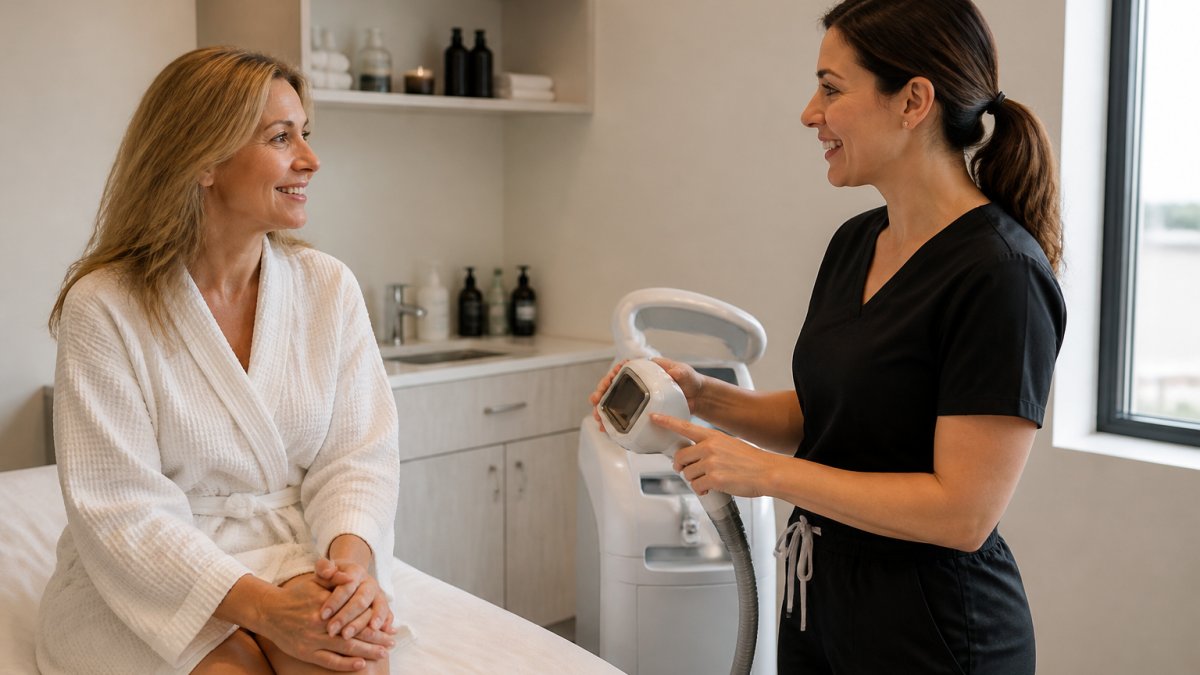
What Cellulite Is and Why Dimpling Appears
Cellulite forms when fibrous bands tether the skin downward while subcutaneous fat pushes upward. The result is uneven skin texture and visible dimpling. Hormones, genetics, skin laxity, and age all play a role, which is why even fit people get it. No cream or device removes the bands entirely, but many reduce the appearance.
Cellulite Type and Severity: Choosing the Right Treatment
For a broader look at the non-surgical body contouring landscape, our guide to non-surgical body contouring for stubborn fat covers how these categories fit together.
1. Acoustic Wave Therapy
Acoustic wave therapy uses sound waves to break up fibrous bands and support collagen production. Sessions are short, with little downtime, and most people describe the feeling as a mild tapping. A typical plan runs several sessions spaced a week or two apart. Results build gradually and usually need maintenance.
2. Radiofrequency Treatment for Cellulite
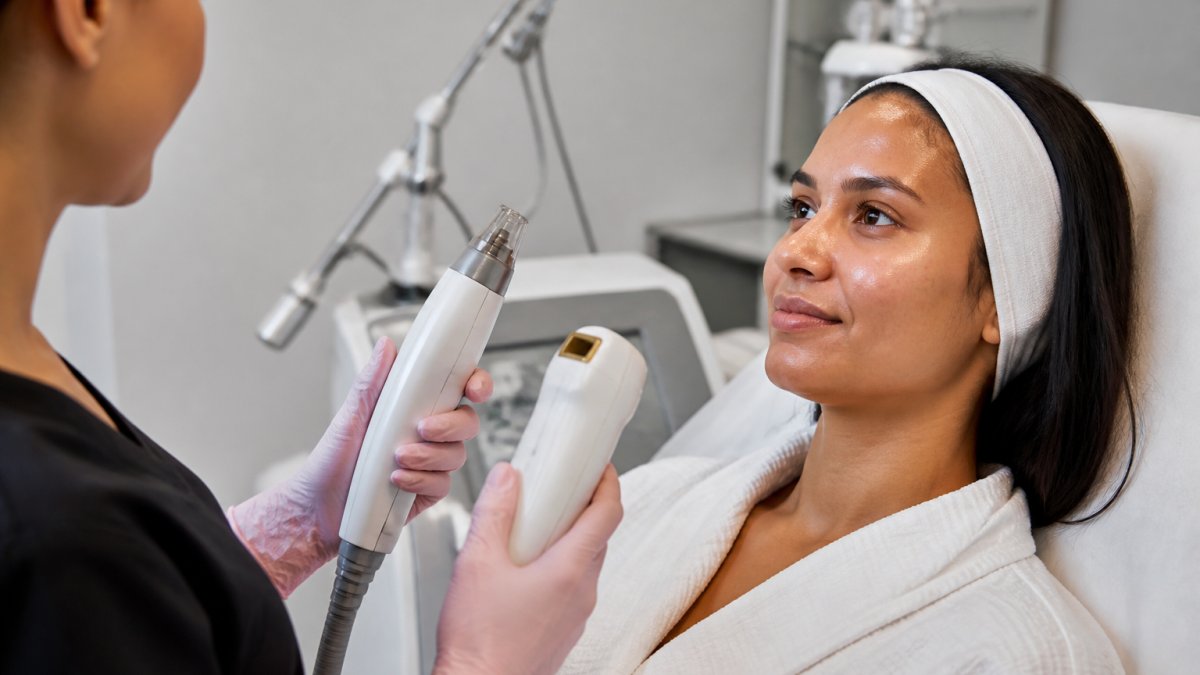
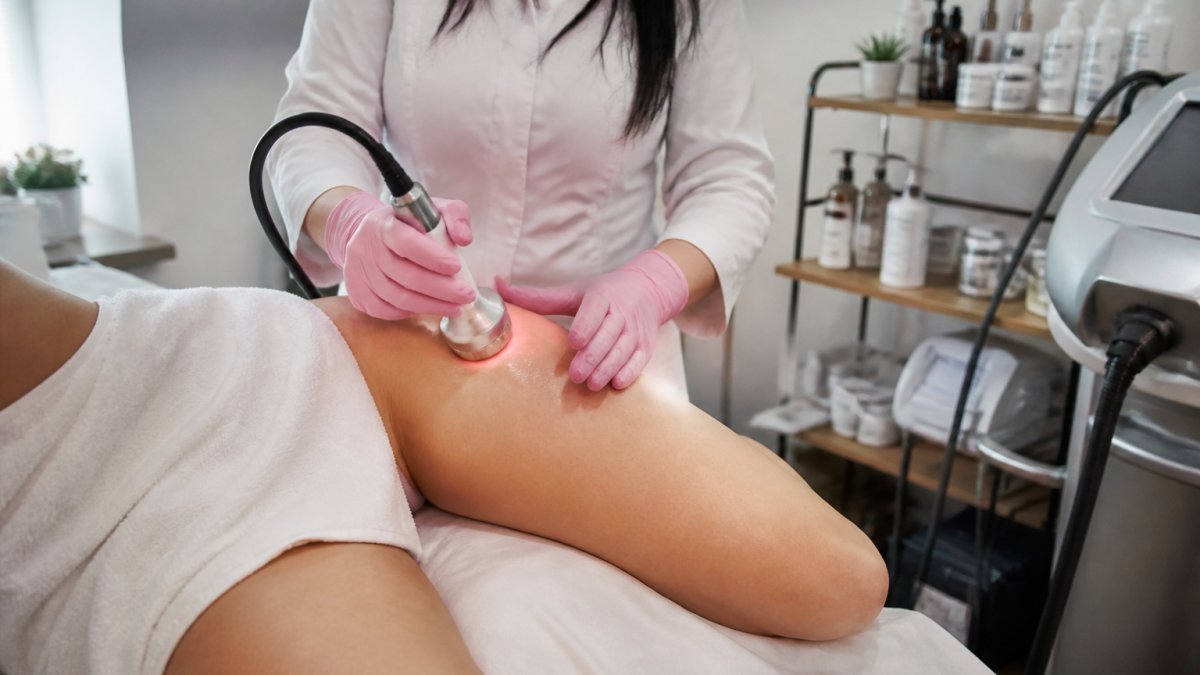
Radiofrequency treatment for cellulite heats deeper skin layers to stimulate collagen and improve skin texture. It is one of the most studied energy-based options, and many providers pair it with massage for better contouring. Sessions take under an hour, with mild redness afterward. Results appear over weeks as collagen rebuilds.
3. Laser Treatment for Cellulite
Laser treatment for cellulite targets tissue beneath the skin to encourage collagen and smooth texture. Some laser systems are non-invasive, while others are minimally invasive and involve tiny incisions. Non-invasive laser sessions require little recovery time. The minimally invasive versions may offer more dramatic change but carry more risk and downtime.
4. Mechanical Massage and Tissue Manipulation
We offer Endosphere treatment for clients who want a non-invasive option with no downtime.
5. Cryolipolysis for Stubborn Fat Pockets
Our Cryo T-Shock treatment is a non-surgical fat-reduction option. To set expectations, read our fat reduction results timeline before booking.
6. Mesotherapy and Minimally Invasive Injections
Mesotherapy involves small injections into the treatment area to target underlying causes of dimpling. It sits between non-invasive and surgical care. Because it breaks the skin, expect minor bruising and a short recovery. Candidate suitability depends on skin health and goals, and only a licensed provider should perform it.
7. Topical Creams and At-Home Approaches
When you are ready for a professional plan, contact our team to schedule a consultation.
Comparing Your Options at a Glance
| Treatment | Category | Typical Cost per Session (USD) | Sessions in a Plan | Downtime | Pain / Comfort | Evidence Quality | Durability |
|---|---|---|---|---|---|---|---|
| Acoustic wave therapy | Non-invasive device | $150-$400 | 6-12 | None | Mild tapping | Moderate, several controlled trials, modest effect sizes | Months; maintenance every 3-6 months |
| Radiofrequency | Non-invasive device | $200-$600 | 4-8 | Mild redness 24-48 hrs | Warm, tolerable | Moderate to good, most-studied energy device | Months; maintenance 2-4 times a year |
| Non-invasive laser | Non-invasive device | $250-$700 | 3-6 | Little to none | Warm snap | Moderate, smaller trials, variable protocols | Months |
| Mechanical massage (e.g., Endosphere, vacuum-roller) | Non-invasive mechanical | $100-$250 | 8-12 | None | Deep-massage pressure | Low to moderate, temporary, measurable but short-lived | Weeks to a few months; frequent upkeep |
| Cryolipolysis | Non-invasive device (fat reduction) | $200-$600 per applicator | 1-3 | None | Intense cold for first minutes | Good for fat reduction; weak for dimpling itself | Long-term fat loss; skin texture may not change |
| Mesotherapy / injection-based | Minimally invasive | $200-$500 | 4-10 | 1-3 days bruising | Needle sticks | Low, mixed study quality | Varies; often months |
| Topical creams (caffeine, retinol) | At-home topical | $15-$80 per product | Daily use | None | None | Low, temporary tightening only | Fades within hours to days of stopping |
| Subcision (fibrous band release) | Minimally invasive | $500-$1,500 | 1-3 | 2-7 days | Local anesthetic | Moderate, targets the structural cause | Often 1-2 years, the most durable non-surgical option |
How to Read the Evidence Column
"Moderate" or "good" evidence means multiple controlled trials with consistent, if modest, results, typically one grade of improvement in dimpling severity on a 4-point scale, not elimination. "Low" evidence means small or poorly controlled studies, or results that disappear when treatment stops. Be skeptical of any page that promises "cellulite removal" without naming the device, the protocol, and the study behind it.
Matching Treatment to Your Cellulite Pattern
A consultation should include a severity assessment (many practices use a simple 0-3 or 1-4 dimpling scale), a discussion of which layer is driving your dimpling, fat, fibrous bands, or skin laxity, and a written plan with session count and total cost, not a per-session price.
What to Expect and How to Choose
Realistic Results, in Plain Terms
Across non-invasive options, the honest expectation is one grade of improvement in dimpling severity for most patients, smoother texture, less shadowing, firmer feel, not disappearance. Results are graded by both you and your provider, ideally with standardized before-and-after photos in the same lighting. If a clinic cannot show you its own before-and-after photos for the specific device and protocol it is quoting, treat the promised result as unproven.
How Long Results Last, and Why Cellulite Returns
- Topicals: effect fades within hours to days of stopping.
Safety, Side Effects, and Contraindications by Treatment
Tell your provider about pregnancy, breastfeeding, blood thinners, autoimmune conditions, active skin infections, and any implanted device before booking.
How to Choose, and What to Ask
When you are ready to match a plan to your pattern, contact our team for a consultation that includes a severity assessment and a written, itemized plan.
Frequently Asked Questions
What is the most effective non-invasive treatment for cellulite?
No single option wins for everyone. Radiofrequency and acoustic wave therapy have the most consistent published evidence for improving skin texture and reducing the appearance of dimpling, while laser treatments help when skin laxity is part of the problem. The best choice depends on your cellulite type, severity, and how much downtime you can accept, so a consultation with a qualified provider matters more than picking the trendiest device.
How many non-invasive cellulite treatment sessions are usually needed?
Most non-invasive cellulite treatments are sold in series rather than single sessions. Acoustic wave therapy and radiofrequency typically call for four to eight sessions spaced one to two weeks apart, while mechanical massage often needs ten or more. Cryolipolysis is usually one to three sessions per treatment area. Your provider should map a full plan, including maintenance, before you commit.
How long do non-invasive cellulite treatment results last?
Results vary by treatment and by how well you maintain them. Radiofrequency and acoustic wave therapy results often hold for several months, with maintenance sessions extending the visible improvement. Mechanical massage results are shorter-lived and need regular appointments. Cellulite treatment does not stop the underlying causes, so some recurrence over time is expected regardless of the option you choose.
Are non-invasive cellulite treatments painful, and what is the downtime?
Most non-invasive options cause only mild discomfort. Acoustic wave therapy feels like tapping or tingling, radiofrequency warms the skin, and mechanical massage feels like deep tissue work. Downtime is usually minimal, with some temporary redness or tenderness. Laser treatments and mesotherapy can involve more sensitivity and a short recovery window. Ask your provider what to expect for your specific treatment area.
Cellulite is stubborn, and no single session changes it overnight. That is why a personalized plan beats a one-size-fits-all package. At Lumyn Medspa, we build customized treatment plans using advanced technology like Candela Nordlys®, and we combine body contouring with wellness management to support long-term results. Get started with Lumyn Medspa and book a consultation to find the right plan for your skin.