 blog
5 Reasons Microneedling for Acne Scars May Be Worth It
Last Updated: October 25, 2026
Quick Summary
Microneedling for acne scars works by creating controlled micro-injuries that trigger collagen production and skin remodeling to fill depressed scars. Most people need 4-6 sessions spaced 4-6 weeks apart to see meaningful improvement, with final results appearing 3-6 months after completing treatment.
- Rolling scars respond exceptionally well to microneedling, while ice-pick scars often require combination treatment for optimal results.
- Sessions are spaced 4-6 weeks apart, with redness and swelling fading within 24-48 hours after each treatment.
- Microneedling is generally safer for all skin tones than laser treatment, though post-inflammatory hyperpigmentation risk exists in darker skin.
- Total investment depends on per-session cost multiplied by 4-6 sessions, plus consultation fees and aftercare products.
- Fractional laser delivers faster results in fewer sessions but involves longer recovery time and higher pigment change risk.
Table of Contents
- How Microneedling Works for Acne Scars
- What Microneedling Acne Scars Results Actually Look Like
- How Many Microneedling Sessions for Acne Scars Do You Need
- Microneedling vs Laser for Acne Scars: Which Is Right for You
- Microneedling Risks and Side Effects to Know
- Is Microneedling for Acne Scars Worth the Investment
- Schedule Your Microneedling Consultation
- Frequently Asked Questions
How Microneedling Works for Acne Scars
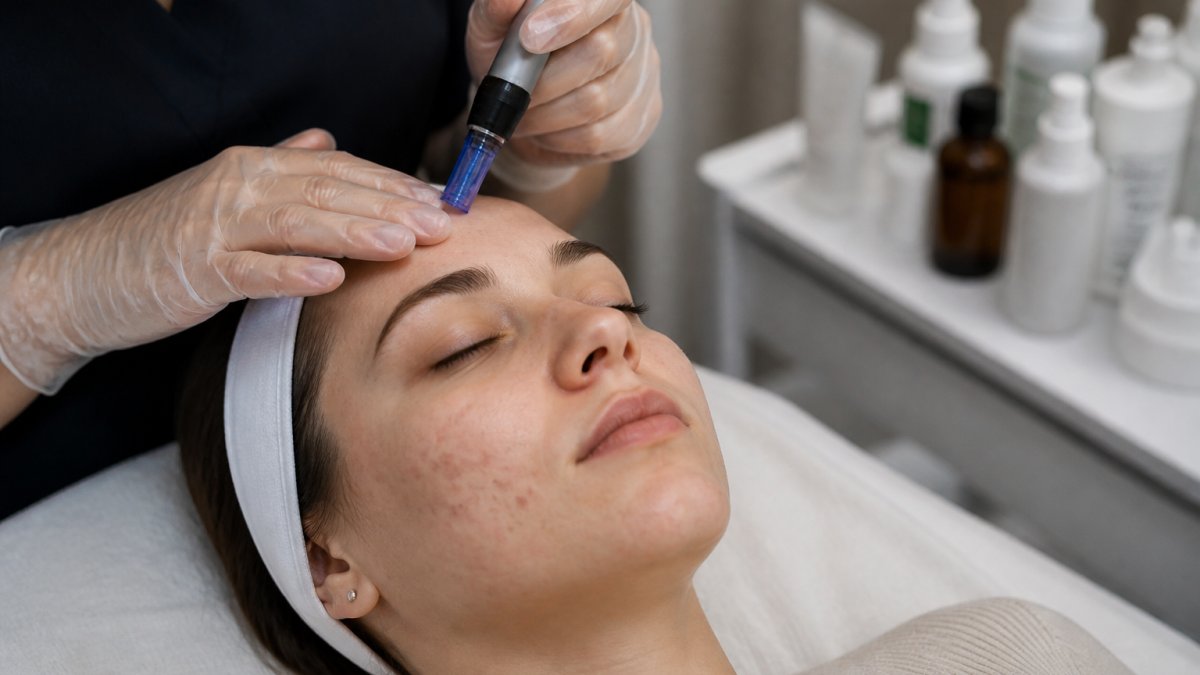
Microneedling for acne scars works by creating controlled micro-injuries to the skin that trigger your body's natural healing response.
The procedure targets different types of acne scarring.
At Lumyn Medspa, we use advanced technology to customize treatment intensity based on your specific scar type and skin condition.
The body's response to microneedling is gradual. New collagen doesn't form overnight. Instead, your skin enters a healing phase where fibroblasts (collagen-producing cells) become active.
What Microneedling Acne Scars Results Actually Look Like
Microneedling acne scars results develop gradually over weeks and months. Most people notice the first visible improvements after 2-3 sessions, though the most noticeable changes appear 3-6 months after completing a full treatment plan. Patience is essential, this isn't a one-and-done solution.
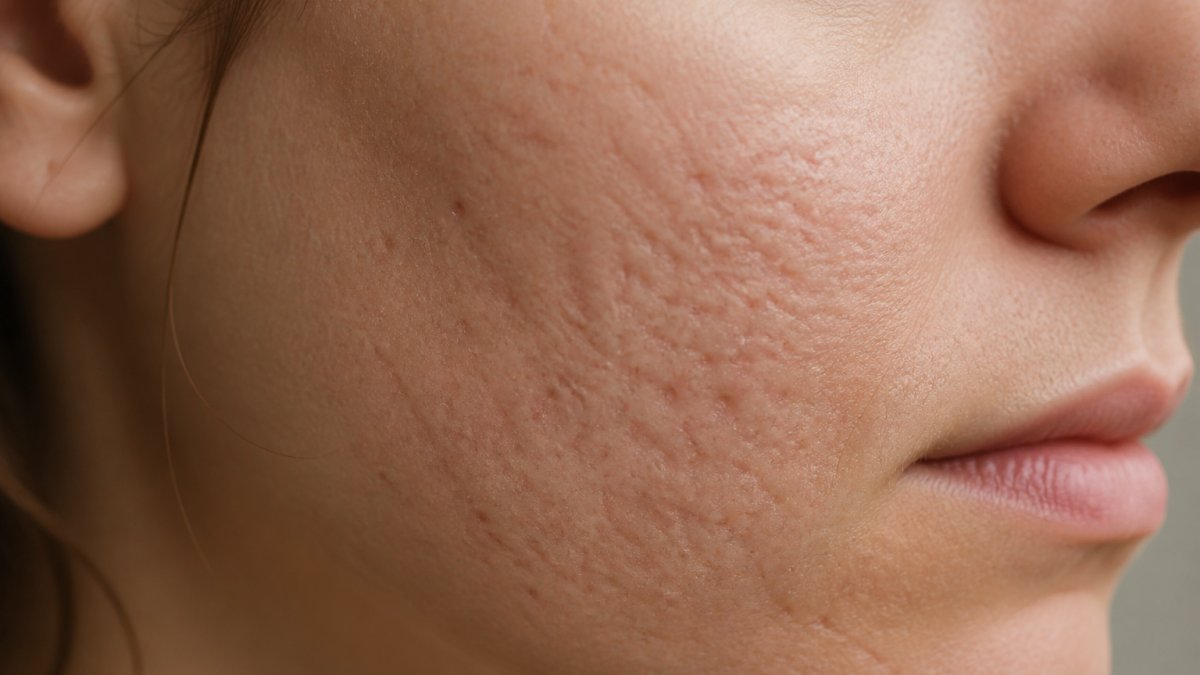
Results vary significantly based on scar depth, scar type, skin tone, and how your individual skin responds to collagen stimulation. Rather than promising a single improvement percentage, it helps to understand what the published evidence can and cannot tell you.
What the Evidence Can and Cannot Tell You
Clinical studies on microneedling for acne scarring generally report measurable improvement in scar severity scores, patient satisfaction, and skin texture when treatment is delivered over multiple sessions.
A practical way to read the evidence: microneedling reliably improves the appearance of atrophic scarring for many patients, but the degree of improvement is highly individual. A common pattern practitioners describe is meaningful texture improvement in most patients, with the deepest or most fibrotic scars sometimes requiring combination treatment.
Scar Types That Respond Best
Rolling scars respond exceptionally well to microneedling. These scars have sloping edges and create a wave-like appearance on the skin.
Boxcar scars, which have sharper, more defined edges, also respond well, though they may require more sessions than rolling scars.
Ice-pick scars are the most challenging type.
Atrophic scars (depressed into the skin) respond better than hypertrophic scars (raised above the skin). If you have raised acne scars, discuss alternative treatments during your consultation.
Skin Tone and Post-Inflammatory Hyperpigmentation
Microneedling is generally considered suitable across skin tones, but pigment risk deserves specific attention. Post-inflammatory hyperpigmentation (PIH) can occur after treatment, particularly in darker skin tones or when the skin is already prone to pigment changes.
A cautious approach includes a pre-treatment assessment by a qualified provider, a discussion of your history of PIH or melasma, and a plan for sun protection and gentle aftercare. If you have a history of keloids or unusual scarring, raise it during your consultation.
Before-and-After Expectations
Before-and-after photos from microneedling treatment typically show clearer skin texture, reduced scar visibility, and improved overall skin tone. Redness and post-inflammatory hyperpigmentation from the procedure itself usually fade within days to weeks after each session. Final results should be judged at least 3 months after your last session, because collagen remodeling continues well after the skin surface has healed.
How Many Microneedling Sessions for Acne Scars Do You Need
Most people need 4-6 microneedling sessions to see meaningful improvement in acne scarring. Some individuals require more sessions depending on scar severity and skin response. A few people see significant results with 3 sessions, while others benefit from 8 or more.
The exact number depends on:
- How deep your scars are
- How many scars you have
- Your skin's collagen production response
- The needle depth used during treatment
- Your skin tone and healing characteristics
Your provider will assess your scars during a consultation and recommend a personalized treatment plan. This plan may include 4-6 initial sessions, with additional sessions added if needed based on your progress.
Treatment Timeline and Recovery
Sessions are typically spaced 4-6 weeks apart. This interval allows your skin to heal and produce new collagen between treatments. Scheduling sessions too close together doesn't improve results, your skin needs time to respond.
Recovery from each microneedling session is relatively quick. Redness and mild swelling usually fade within 24-48 hours.
Your skin may feel slightly sensitive or tight for a few days. This is normal and part of the healing process.
Results continue improving for months after your final session. Collagen remodeling continues for 3-6 months, so don't judge final results until at least 3 months after completing your treatment series.
Most people need multiple sessions spaced weeks apart to see meaningful improvement in acne scarring.
| Factor | Details |
|---|---|
| Typical session count | 4-6 sessions for meaningful improvement |
| Session range | 3-8+ sessions depending on individual response |
| Spacing between sessions | 4-6 weeks apart |
| Recovery time per session | Redness and swelling fade within 24-48 hours |
| Return to normal activities | Next day for most people |
| Final results timeline | 3-6 months after completing treatment series |
Microneedling vs Laser for Acne Scars: Which Is Right for You
Microneedling and laser resurfacing both stimulate collagen production, but they work differently. Microneedling uses physical needles to create micro-injuries, while laser treatment uses focused light energy to remove skin layers or create thermal damage.
Laser treatments like fractional CO2 or fractional erbium lasers often deliver faster, more dramatic results.
Microneedling offers gentler recovery with less downtime. Your skin bounces back faster, and you can resume normal activities within days.
For certain scar types, combination treatment works best. Explore alternative scar treatments like Sculptra to compare with microneedling and laser options.
Skin tone matters significantly. Laser treatment carries higher risk of post-inflammatory hyperpigmentation in darker skin tones.
American Academy of Dermatology guidance on acne scar treatment options notes that both microneedling and laser resurfacing are effective, with choice depending on scar type, skin condition, and patient preferences.
Microneedling Risks and Side Effects to Know
Microneedling is generally safe when performed by qualified professionals.
More serious risks exist but are uncommon with professional treatment.
Scarring from microneedling itself is extremely rare with professional treatment.
Post-inflammatory hyperpigmentation (darkening of treated areas) can occur, especially in darker skin tones.
Watch out: Some people experience temporary worsening of acne immediately after microneedling.
For hydrating serums and proper post-procedure skin recovery products, follow your provider's recommendations carefully. Proper aftercare prevents complications and optimizes results.
Is Microneedling for Acne Scars Worth the Investment
Whether microneedling for acne scars is worth it depends on your scar severity, budget, and expectations. If you have moderate to severe acne scarring that affects your confidence, the investment often delivers meaningful value. But "worth it" is a value question, not just an efficacy question, so it helps to look at cost, treatment burden, and alternatives side by side.
What Microneedling Typically Costs
Professional microneedling for acne scarring is usually priced per session, and the per-session price varies widely by provider type and market. Pricing depends on the provider's credentials, the technology used, the size of the treatment area, and local market rates.
Because a complete plan usually requires 4-6 sessions spaced 4-6 weeks apart, the total investment is the per-session price multiplied by the number of sessions, plus any consultation fees and aftercare products. Ask for the full-course price up front rather than the per-session price alone.
How the Value Compares with Alternatives
Microneedling typically requires more sessions to reach a comparable result to fractional laser resurfacing. Fractional laser often delivers more dramatic improvement in fewer sessions, with longer recovery time and a higher risk of pigment changes in darker skin tones. Subcision, a procedure that releases fibrous bands under depressed scars, is often used for rolling scars and may be combined with microneedling.
The practical value comparison comes down to three factors: how many sessions each option requires, how much downtime you can tolerate, and how well each option matches your specific scar type. For rolling and shallow boxcar scars, microneedling often offers a favorable balance of cost, downtime, and improvement. For deep ice-pick or fibrotic scars, microneedling alone may deliver limited value, and combination treatment may be the better investment even at a higher total cost.
A Practical Decision Framework
Use these questions to decide whether microneedling is worth it for you:
- What is your dominant scar type? Rolling and shallow boxcar scars are the best candidates for microneedling alone. Deep ice-pick or fibrotic scars may need combination treatment.
- How much downtime can you accept? Microneedling typically involves 24-48 hours of redness and mild swelling, which is less than fractional laser but still requires planning.
- Can you commit to 4-6 sessions spaced weeks apart? Results depend on completing the course, not on a single session.
- What is your total budget for the full course? Compare the full-course cost against alternatives, not the per-session price.
- Do you have a history of PIH, keloids, or unusual scarring? This affects suitability and may change the recommended approach.
For mild scarring, you might achieve acceptable results with fewer sessions or alternative treatments. For severe scarring, microneedling alone may not fully resolve all scars, combination treatment might be necessary.
Consider your lifestyle too. If you have predictable downtime and can commit to 4-6 sessions spaced weeks apart, microneedling fits well.
Dermatologic Surgery journal research on microneedling efficacy demonstrates that microneedling produces measurable clinical improvement in acne scarring when performed correctly over multiple sessions.
Schedule Your Microneedling Consultation
The best way to determine if microneedling for acne scars is right for you is to consult with a qualified provider.
At Lumyn Medspa, we combine advanced technology with customized treatment plans to help you achieve your skin goals.
Book a microneedling consultation to discuss your acne scarring and learn what results you can realistically expect.
The first step toward clearer, smoother skin starts with understanding your options. Mayo Clinic overview of acne scar treatment approaches confirms that professional assessment is essential for choosing the right treatment path.
Frequently Asked Questions
Is microneedling a good treatment for acne scars?
Microneedling can be effective for certain types of acne scars, particularly rolling and boxcar scars that result from collagen loss. It works by creating controlled micro-injuries that trigger the skin's natural healing response and collagen production. Results vary based on scar depth, skin type, and the number of sessions completed. A consultation with a qualified provider helps determine if microneedling is suitable for your specific scar pattern and skin tone.
How many microneedling sessions for acne scars are typically needed?
Most people require 3 to 6 sessions spaced 4 to 6 weeks apart to see meaningful improvement in acne scarring. Some individuals benefit from additional sessions depending on scar severity and skin response. Your provider will assess your scars during a consultation and recommend a personalized treatment plan. Results continue to improve for several months after the final session as collagen remodeling progresses.
What are the downsides or risks of microneedling?
Common side effects include redness, swelling, and mild irritation that typically resolve within 24 to 48 hours. Rare risks include infection, scarring, and post-inflammatory hyperpigmentation, particularly in darker skin tones. Microneedling is not suitable for active acne, certain skin conditions, or if you take blood thinners. A qualified provider will review your medical history and skin type to minimize risks and ensure safe treatment.
How does microneedling compare with laser treatment for acne scars?
Microneedling and laser treatments work differently: microneedling relies on collagen induction through controlled injury, while lasers use heat and light energy to resurface skin. Lasers often show faster results but typically involve longer downtime and higher cost. Microneedling generally has minimal downtime and works well for all skin tones, though results develop more gradually. Some providers combine both treatments for enhanced outcomes. Your skin type, scar depth, and recovery tolerance should guide your choice.
Acne scarring affects how you feel about your appearance, but effective treatment options exist. Microneedling stimulates your skin's natural healing response to improve scar appearance and texture. At Lumyn Medspa, we use advanced technology and customized treatment plans to help you achieve refreshed, radiant skin. Schedule your consultation today to explore how microneedling can transform your skin and restore your confidence.