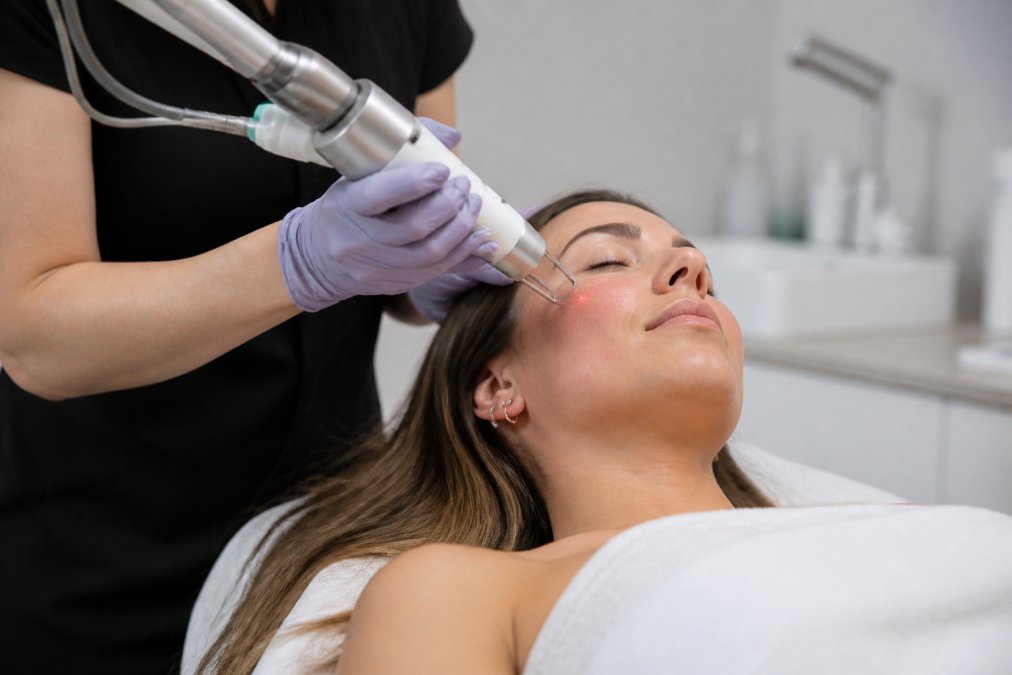
 how-to
Managing Redness After Laser Skin Treatment: 2026 Guide
Table of Contents
- Immediate Post-Laser Care: The First 24 Hours
- Laser Skin Resurfacing Recovery Timeline: What to Expect Day by Day
- Best Skincare Products After Laser Treatment
- Sun Protection and UV Avoidance During Healing
- Makeup and Camouflage: Covering Redness Safely
- Diet, Lifestyle, and Psychological Triggers That Worsen Redness
- When to Call a Doctor After Laser Treatment
- Frequently Asked Questions
Last Updated: September 11, 2026
Immediate Post-Laser Care: The First 24 Hours
Managing redness after laser skin treatment starts in the first hour, not the first day. The first 24 hours set the tone.
Here is what actually matters in that window:
- Apply a cool compress, not ice directly on the skin, for 10-15 minutes at a time
- Skip anything with fragrance, acids, or alcohol
- Sleep with your head slightly elevated to reduce swelling
- Keep the treated area out of direct sunlight, even indoors near windows
The goal: calm vasodilation, support barrier repair, and avoid irritants while the epidermis is compromised.
Cooling the Skin With Cold Compresses
Cold compresses are the most effective tool for reducing post-laser erythema in the first day. Wrap a gel pack or frozen peas in a thin cloth and press gently for 10-15 minutes, then wait an hour before repeating.
Never place ice directly on laser-treated skin, the compromised barrier can suffer a cold burn (the American Academy of Dermatology).
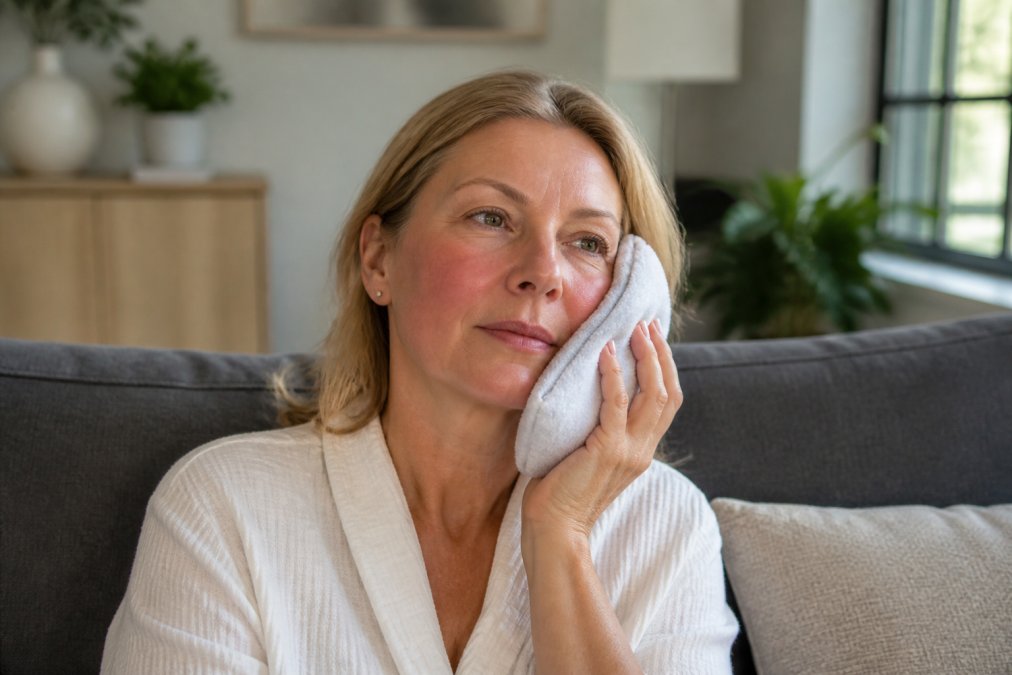
A common mistake is over-cooling, more ice does not mean faster healing. Twenty minutes on, twenty off is a reasonable rhythm.
Laser Skin Resurfacing Recovery Timeline: What to Expect Day by Day
The laser skin resurfacing recovery timeline varies by treatment intensity, but the arc is predictable: fractionated and CO2 lasers follow a similar pattern.
Day 1-2: Peak redness, warmth, and swelling. Skin feels tight and may sting. Day 3-5: Redness begins to settle. Some flaking or bronzing appears as the epidermis turns over. Day 6-10: Most surface healing completes. Redness fades to a pink tone that is easy to cover. Week 2-4: Residual pinkness continues to fade, especially after aggressive resurfacing.
Patients who follow cooling, sun protection, and gentle skincare recover more smoothly than those who rush back to their routine.
How Long Redness Typically Lasts
Redness after laser skin treatment usually resolves within 3 to 10 days for lighter treatments and can linger for weeks after deeper resurfacing, depending on laser type, skin tone, and sun protection.
Vascular lesions and pigmented spots fade faster than textural resurfacing, and darker skin phototypes should expect a longer pink phase.
Best Skincare Products After Laser Treatment
The best skincare products after laser treatment are simple: a gentle cleanser, a bland moisturizer, and a mineral sunscreen, that is the entire first-week routine.
Look for hypoallergenic, non-comedogenic products. Ceramide-based moisturizers support barrier repair, while colloidal oatmeal, panthenol, and allantoin calm irritation.
Avoid anything marketed as "anti-aging" during recovery. Retinoids, vitamin C serums, and exfoliating acids belong in your routine once your provider clears you.
| Product Type | What to Look For | What to Skip |
|---|---|---|
| Cleanser | Gentle, sulfate-free, fragrance-free | Scrubs, foaming acids |
| Moisturizer | Ceramides, hyaluronic acid, panthenol | Retinol, AHA/BHA |
| Sunscreen | Mineral (zinc or titanium dioxide), SPF 30+ | Chemical filters, spray formulas |
| Ointment | Petrolatum or antibacterial ointment if advised | Neosporin unless prescribed |
A common mistake is layering too many products hoping to speed things up. Your skin needs fewer inputs, not more.
Ingredients to Avoid While Your Skin Heals
Most aftercare guides list ingredients to skip but rarely explain why each one stings on freshly lasered skin or how long to wait before reintroducing it.
Here is the blacklist, with the reason and typical reintroduction window. Windows are general guidance, your provider's clearance overrides them, especially after deeper resurfacing.
Retinoids (retinol, tretinoin, adapalene, tazarotene). These accelerate cell turnover, compounding exfoliation on skin already turning over faster after a laser, which can extend redness or cause raw patches. Wait until surface healing is complete and redness fades to faint pink, commonly 2 to 4 weeks for lighter treatments, longer after aggressive resurfacing.
Alpha and beta hydroxy acids (glycolic, lactic, salicylic, mandelic). AHAs and BHAs lower skin pH and dissolve the bonds holding dead cells together, which on a compromised barrier means stinging, burning, and a higher risk of post-inflammatory hyperpigmentation. Hold these until your provider clears you, typically the same 2-to-4-week window as retinoids.
Vitamin C in high concentrations (L-ascorbic acid above roughly 10%). Ascorbic acid can sting sensitized skin at higher percentages, though it is legitimate post-procedure at lower strengths. If your provider recommends it, they will usually specify a gentler derivative like sodium ascorbyl phosphate or tetrahexyldecyl ascorbate first.
Fragrance, essential oils, and botanical extracts. "Natural" does not mean gentle. Lavender, citrus, peppermint, eucalyptus, and many plant extracts contain volatile compounds that provoke contact irritation and allergic reactions. Fragrance-free is safer than unscented, which can still contain masking fragrance.
Physical exfoliants and cleansing brushes. Scrubs, aggressively used konjac sponges, and motorized brushes create friction on skin rebuilding its surface. Mechanical disruption during the flaking phase can pull off skin not ready to shed and prolong healing.
Alcohol-based toners and astringents. Denatured alcohol and high-concentration witch hazel strip lipids from an already depleted barrier. If you want a toner, look for alcohol-free, hydrating formulas built on glycerin or panthenol.
Chemical sunscreen filters. Oxybenzone, avobenzone, and similar filters can sting compromised skin. That is why mineral sunscreens with zinc oxide or titanium dioxide are standard during recovery, they sit on the surface rather than absorbing into a barrier that is not fully intact.
Neosporin and similar antibiotic ointments. Over-the-counter antibiotic ointments containing neomycin are a common cause of allergic contact dermatitis. If your provider wants an ointment, they will usually specify plain petrolatum or a prescription alternative.
Topical steroids. Sometimes prescribed after laser treatment to reduce inflammation, but only under medical direction. Do not apply OTC hydrocortisone on your own, steroids can thin skin and interfere with healing if used incorrectly.
To audit your shelf: flip every bottle over and read the ingredient list, not the front label. Marketing terms like "gentle" and "calming" are not regulated, but the INCI list is. If any ingredient above appears in the first five to ten entries, that product belongs on the shelf until your provider gives the green light.
Sun Protection and UV Avoidance During Healing
UV exposure is the fastest way to undo your results and prolong redness. Freshly resurfaced skin has less melanin protection and is far more vulnerable to hyperpigmentation. SPF 30 or higher, applied every two hours outdoors, is non-negotiable.
Mineral sunscreens with zinc oxide or titanium dioxide are gentler on healing skin than chemical filters. Wide-brimmed, tightly woven hats do more work than most people give them credit for.
According to American Academy of Dermatology sun protection guidance, patients recovering from procedures should avoid direct sun during peak hours and reapply sunscreen frequently, even on cloudy days.
Skip the tanning bed entirely. There is no safe version of UV exposure for healing skin.
Makeup and Camouflage: Covering Redness Safely
You can usually wear makeup 3 to 7 days after laser treatment, once any open areas have closed. Until then, keep the treated area bare. If your provider used a fractional or ablative laser, ask specifically when to return to makeup, the answer depends on whether the surface is still open, not just how red it looks.
When you do return to makeup, choose mineral-based formulas that sit on top of the skin rather than sinking in, reducing irritation risk. Look for fragrance-free, hypoallergenic products labeled for sensitive or post-procedure skin.
Color-Correcting Redness: The Green Primer Method
Most aftercare articles tell you to "use a green primer" and stop there, leaving out what actually determines whether the technique works: how much to use, where to place it, and what to layer over it. Here is the full method.
Green sits opposite red on the color wheel, so a green-tinted product cancels red tones beneath foundation. The mistake almost everyone makes is using too much, a heavy green layer creates a gray or ashy cast no foundation can fully cover.
The technique that works on post-laser erythema:
- Start with a calm, moisturized base. Apply your bland moisturizer and let it absorb for a few minutes. Color correctors grip unevenly on dry or flaky patches and can emphasize the texture you are trying to hide.
- Use a pea-sized amount of green corrector for the whole face, or a pinhead-sized dot per red zone. Tap it in with a clean fingertip or small synthetic brush, a sheer wash, not an opaque mask.
- Press, do not rub. Rubbing drags on sensitized skin and can trigger flushing. Pressing also keeps the corrector from pilling under foundation.
- Layer a light-coverage mineral foundation over the top. Build in thin layers rather than one heavy pass. A pressed or loose mineral powder with zinc oxide or titanium dioxide gives coverage and adds a small amount of sun protection.
- Set only if you need to. Powder can cling to flaking skin and make it look drier than it is. If you are in the flaking phase, skip setting powder on the treated areas and let the foundation settle on its own.
For redness concentrated on the cheeks or nose, spot-correcting is more forgiving than a full-face green layer. Apply the corrector only where the red is, then blend the edges outward.
Product formats to consider. Green correctors come as creams, sticks, and liquid drops. Creams and sticks give more control and stay sheer; liquid drops mix into moisturizer for an all-over tint but are harder to control on small areas. For post-laser skin, a cream or stick applied with a clean brush is most predictable.
What to avoid in a corrector. Skip anything with fragrance, essential oils, or added exfoliating ingredients. Some color correctors include salicylic acid or vitamin C for "skincare benefits", exactly what you are trying to keep off healing skin. Read the ingredient list as you would for a moisturizer.
Application and Removal on Healing Skin
Application matters as much as the product:
- Use clean brushes or sponges, never fingers on healing skin
- Press, do not rub, product into the skin
- Remove makeup gently with a mild cleanser at night
- Stop using anything that stings, burns, or itches
Double-cleansing with an oil cleanser followed by a gentle cream cleanser removes mineral makeup without scrubbing. If your skin is still flaking, use fingertips and lukewarm water, not a washcloth, sponge, or cleansing brush.
Green corrector is a tool, not a cure. It makes redness less visible for a few hours, but it does not speed healing. If you find yourself reaching for heavier and heavier coverage as the weeks pass, that is a signal to check in with your provider rather than to buy a stronger concealer.
Diet, Lifestyle, and Psychological Triggers That Worsen Redness
What you eat and how you feel can visibly affect how red your skin looks. Alcohol, spicy food, and very hot drinks trigger vasodilation, pushing more blood to the surface and making post-laser erythema more pronounced. Cutting these for the first week is a small change with a noticeable payoff.
Stress matters too. Elevated cortisol slows wound healing and amplifies inflammation. Patients who sleep well, hydrate, and keep recovery low-key tend to see redness resolve faster.
The psychological side of recovery is underdiscussed. Many patients feel self-conscious about visible redness at work or in social settings, and that anxiety can make recovery feel longer than it is. Planning treatment around a quiet week, keeping mineral makeup on hand, and remembering the pink phase is temporary all help.
If you find yourself fixating on the mirror, step away. Progress is easier to see when you check in once a day instead of once an hour.
When to Call a Doctor After Laser Treatment
Call your provider if you notice signs beyond normal healing. Most redness, swelling, and tenderness are expected. The following are not:
- Blistering, oozing, or open wounds that are not closing
- Redness that is spreading, deepening, or becoming painful
- Fever or chills
- Severe swelling that affects your vision or breathing
- A rash or reaction that looks different from the treated area
Clinical follow-up matters. Your provider can assess whether what you are seeing is normal healing or an adverse reaction that needs treatment.
According to U.S. Food and Drug Administration information on laser procedures, patients considering or recovering from laser treatment should discuss risks and aftercare with a qualified professional, and report any unexpected reactions promptly.
If you had your treatment at Lumyn Medspa, reach out to our team directly. We build clinical follow-up into every treatment plan.
Laser recovery is temporary, but the results are worth protecting. At Lumyn Medspa, we guide every patient through post-treatment care with personalized protocols and advanced technology like the Candela Nordlys® platform. Book your consultation with Lumyn Medspa and start your recovery with a plan built around your skin.
Frequently Asked Questions
How long does your skin stay red after laser treatment?
Redness after laser skin treatment varies by procedure intensity. Mild non-ablative sessions may leave pinkness for a few hours to two days, while fractionated laser or CO2 laser resurfacing can cause visible redness for five to ten days. Deeper resurfacing may leave persistent pink tones for several weeks. Following your provider's aftercare instructions, using cold compresses, and protecting your skin from UV exposure can help shorten the visible healing process.
What is the best cream to use after a laser treatment?
A gentle, fragrance-free moisturizer and a plain occlusive ointment are usually the safest choices right after a laser procedure. Look for products labeled hypoallergenic and non-comedogenic. Avoid creams with retinol, glycolic acid, salicylic acid, vitamin C, or fragrances until your provider clears you. An antibacterial ointment may be recommended if the skin surface is broken. Ask your provider which specific product fits your treatment before applying anything new.
Can I use makeup to cover redness after laser treatment?
Mineral makeup is typically the safest option once your provider says the skin surface has closed, which is often 24 to 72 hours after a mild procedure. Look for loose mineral powder or a green-tinted color corrector under a light foundation. Avoid liquid foundations with heavy fragrances or active ingredients. Never apply makeup to skin that is still oozing, crusting, or broken, and always remove it gently with a mild cleanser at the end of the day.
When should I be concerned about post-laser redness?
Call your provider if redness worsens after the first 48 hours instead of improving, if you develop blisters, pus, severe swelling, or a fever, or if the area becomes increasingly painful. These can signal an infection or an adverse reaction that needs clinical follow-up. Mild pinkness, tenderness, and swelling are normal parts of the healing process, but symptoms that escalate or last beyond the expected recovery timeline for your specific procedure should always be evaluated by a qualified professional.