 how-to
How to Prepare for Body Sculpting Treatments
Last Updated: November 1, 2026
Quick Summary
To prepare for body sculpting, start four weeks out with a full medication and supplement list and a health history review, then stop smoking and limit alcohol two weeks before. One week out, hydrate, keep skin gentle, and confirm fasting and transport instructions for your session.
- Non-surgical body sculpting needs far less prep than surgical options like liposuction.
- Blood thinners such as aspirin and ibuprofen can raise bruising and bleeding risk.
- Expect a body sculpting consultation to take 30 to 60 minutes.
- Avoid hot tubs, saunas, and hot baths for the first 72 hours after treatment.
- Do not massage or press the treated area unless your provider tells you to.
Table of Contents
- Why Preparation Makes or Breaks Your Body Sculpting Results
- Surgical vs. Non-Surgical Body Sculpting: What Changes Your Prep
- Your Prep Timeline: What to Do 4 Weeks, 1 Week, and 24 Hours Out
- What to Expect During a Body Sculpting Consultation
- Questions to Ask Before You Commit to a Treatment Plan
- Non Invasive Skin Tightening Procedures: How They Fit Into Your Prep
- Body Sculpting Aftercare Instructions for the First 72 Hours
- When to Postpone: Contraindications and Red Flags
- Frequently Asked Questions
Why Preparation Makes or Breaks Your Body Sculpting Results
Preparation for body sculpting treatments is the set of steps you take before a session to help your body respond well and recover smoothly.
The real difference comes down to three things. It's your medical history, your daily habits, and how well you understand the plan. Skip any of them and you raise your risk of setbacks. A common mistake is treating a body sculpting session like a haircut.
Below, we'll show you exactly how to prepare, week by week, so nothing catches you off guard. The steps we cover work for both surgical and non-surgical options, with a few important differences you'll want to know.
Surgical vs. Non-Surgical Body Sculpting: What Changes Your Prep
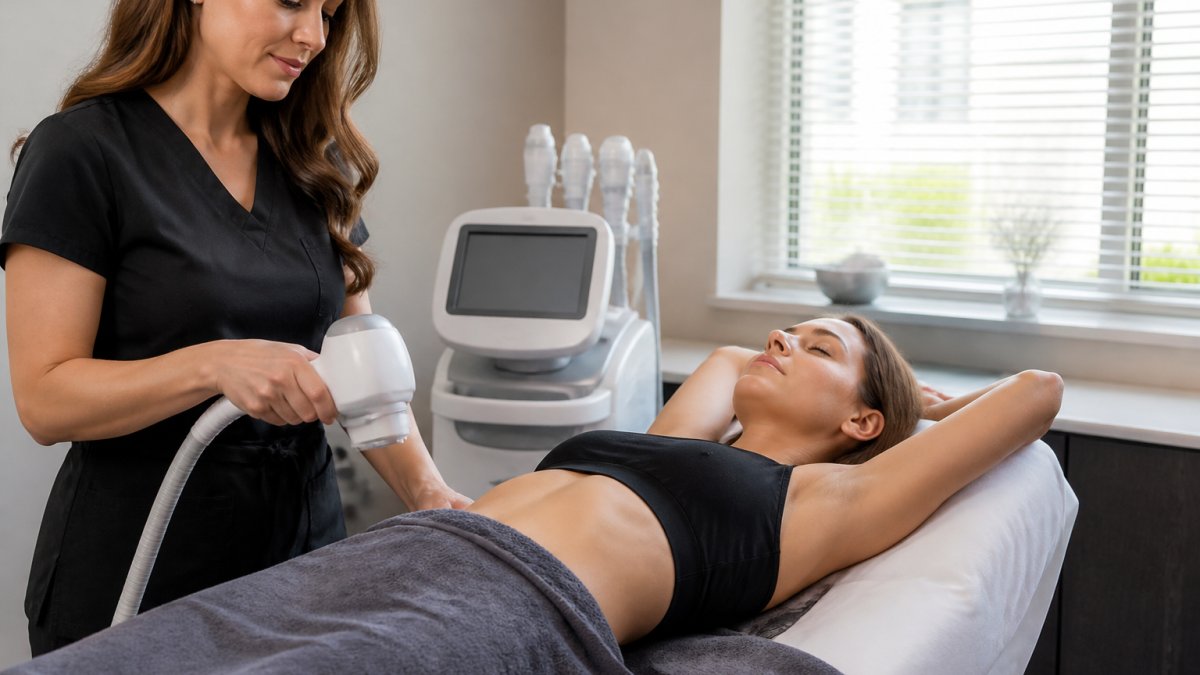
Non-surgical body sculpting needs far less prep than surgery. Treatments like CoolSculpting, which freezes fat cells, or Emsculpt, which uses muscle stimulation, are done in a clinic and usually involve no downtime.
That gap changes your checklist:
- Non-surgical: focus on hydration, skin health, and timing around your cycle or events
- Surgical: add lab work, a medication hold list, fasting rules, and someone to drive you home
- Both: a full medical history review and honest talk about your goals
If you're weighing non-surgical body sculpting options, comparing treatments helps you understand which prep applies to you. Our guide to CoolSculpting vs Emsculpt for stomach fat breaks down the differences.
Your Prep Timeline: What to Do 4 Weeks, 1 Week, and 24 Hours Out

A single timeline does not fit every treatment. Non-surgical body sculpting, such as cryolipolysis (fat freezing) or muscle-stimulation sessions, needs light prep. Surgical contouring, such as liposuction or a tummy tuck, needs lab work, anesthesia rules, and a recovery plan.
| Stage | Non-surgical prep | Surgical prep |
|---|---|---|
| 4 weeks out | Full medication and supplement list; review health history; confirm provider credentials | Same, plus pre-op lab work and medical clearance as directed; arrange time off and a driver |
| 2 weeks out | Stop smoking; limit alcohol; stabilize weight | Stop smoking; limit alcohol; hold medications only as your surgeon directs; fill prescriptions |
| 1 week out | Hydrate; gentle skin care; avoid sun and harsh exfoliants on the area | Hydrate; skin care; confirm fasting instructions; prep home recovery space |
| 24 hours out | Hydrate; loose clothing; plan transport if sedated | Nothing by mouth per instructions; loose clothing; confirmed ride and caregiver |
| Day of | Clean skin, no lotions or deodorant unless told otherwise; arrive early | Follow fasting and medication instructions exactly; arrive early with ID and paperwork |
Four Weeks Before: Medical History and Medication Review
Start with a complete list of everything you take: prescriptions, over-the-counter drugs, supplements, and herbal products. Blood thinners such as aspirin, ibuprofen, and some prescription anticoagulants can raise bruising and bleeding risk.
Disclose past surgeries, allergies, prior aesthetic treatments, and any health conditions. For surgical procedures, expect lab work and possibly a medical clearance from your primary care clinician. This is not the time to leave things out.
Two Weeks Before: Lifestyle Adjustments
Stop smoking if you can. Nicotine narrows blood vessels and slows healing, and surgeons commonly ask patients to stop several weeks before and after surgery. Limit alcohol, which can affect hydration and healing. Aim for stable weight rather than a crash diet, since results are judged against a stable baseline. For surgical cases, this is also when you arrange time off work, a ride home, and help at home for the first day or two.
One Week Before: Skin, Hydration, and Logistics
Keep the treatment area clean and moisturized, and avoid harsh scrubs, retinoids, or new products that could irritate skin. Skip sun exposure and tanning beds on the area. Confirm your appointment time, fasting instructions, and what to bring. For surgical procedures, fill any prescriptions your surgeon ordered and set up a recovery space with loose clothing, easy meals, and extra pillows.
24 Hours Before and the Day Of
Hydrate steadily and wear loose, comfortable clothing that will not rub the treatment area. If you are having sedation or anesthesia, follow the nothing-by-mouth instructions exactly and confirm your driver. On the day of treatment, arrive with clean skin and skip lotions or deodorant unless your provider says otherwise. Bring your ID, insurance or payment information, and your medication list.
For a deeper walkthrough of skin prep, see our guide on how to prepare your skin for aesthetic procedures.
What to Expect During a Body Sculpting Consultation
A body sculpting consultation is a sit-down visit where a provider reviews your goals, health history, and treatment options, then builds a plan. Expect it to take 30 to 60 minutes. You will discuss your problem areas, your budget, and what results are realistic.
Bring three things: your medication and supplement list, a list of prior procedures and health conditions, and a written list of questions. The question list is where most patients leave value on the table. Below is a practical checklist to bring, covering the items competitors' guides tend to skip.
Consultation Question Checklist
- Who will perform the treatment, and what are their credentials, training, and licensure?
- Is this treatment appropriate for my goals, and what alternatives should I consider?
- How many sessions will I likely need, and how far apart?
- What results are realistic for my body, and what results are not achievable?
- What are the risks, side effects, and signs I should watch for?
Credentials and Oversight
Ask directly who performs the treatment and what training they have. In the U.S., medspa oversight varies by state, and the scope of practice for nurses, nurse practitioners, physician assistants, and aestheticians differs. A good provider welcomes the question and can explain their background and who supervises the procedure. If an answer feels vague, that is your signal to pause.
Candidacy and Safety
Use the visit to confirm candidacy. Tell the provider about pregnancy or breastfeeding, active skin infections, bleeding disorders, and any condition that might affect healing. Ask what would make you a poor candidate and what would need to change before treatment. A provider who explains the limits of a procedure is usually more trustworthy than one who promises the most.
Cost and Follow-Up
Ask for the total cost in writing, including the number of sessions, aftercare products, and any follow-up visits. Confirm what happens if you need additional sessions and how results are measured. Ask who to call after hours if something concerns you.
Ready to see what is available? You can review our full medspa service menu before you come in.
Questions to Ask Before You Commit to a Treatment Plan
Ask direct questions. A good provider welcomes them. Here's a checklist to bring:
- Who performs the treatment, and what are their credentials?
- How many sessions will I likely need?
- What results are realistic for my body and goals?
- What are the risks and side effects?
- What does aftercare involve, and how much downtime should I plan for?
- How long do results last, and what maintenance is needed?
What most guides miss is the credential question. In the U.S., medspa oversight varies by state, so ask directly rather than assume. If an answer feels vague, that's your signal to pause.
Non Invasive Skin Tightening Procedures: How They Fit Into Your Prep
Non invasive skin tightening procedures use energy, like radiofrequency or ultrasound, to firm skin without cuts. Prep for these is light. Keep the area moisturized, avoid sun exposure for a few days before, and skip harsh exfoliants.
These treatments often pair well with body contouring. If you're exploring this route, our guide to non invasive skin tightening procedures covers how they work, costs, and results.
Body Sculpting Aftercare Instructions for the First 72 Hours
The first 72 hours set the tone for your results. Follow these basics:
- Hydrate: drink water steadily through the day
- Move gently: light walking helps; skip intense workouts
- Skip heat: avoid hot tubs, saunas, and hot baths
- Watch the area: mild redness or soreness is common; sharp pain is not
- Follow your provider's plan: take any recommended care steps exactly
Watch out: don't massage or press the treated area unless your provider tells you to. Doing it too soon can affect results. If you had a surgical procedure, follow your surgeon's wound care and follow-up schedule. Curious about timing? Our results timeline guide explains when changes typically appear.
When to Postpone: Contraindications and Red Flags
Some situations mean waiting. Tell your provider if any of these apply:
- You're pregnant or breastfeeding
- You have an active skin infection or open wound in the treatment area
- You're on blood thinners and can't pause them safely
- You have a condition your provider flags during review
- You're sick with a fever or infection
These aren't automatic no's. They're reasons to talk it through first. A qualified provider will tell you honestly if it's not the right time. That honesty is a good sign, not a bad one.
Frequently Asked Questions
What should I avoid before getting body contouring?
Stop blood-thinning medications and supplements such as aspirin, ibuprofen, fish oil, and high-dose vitamin E about one to two weeks before treatment, but only after your provider confirms it is safe for you. Avoid alcohol for 48 hours before your session and skip heavy workouts the day before. Do not shave, wax, or apply lotions to the treatment area on the day itself. Your body sculpting provider will give you a written list tailored to your specific procedure and medical history.
How long does it take to see results from body sculpting?
Non-surgical body sculpting results build gradually. Fat cells cleared by the body are processed over weeks to months, so most people notice visible change around 8 to 12 weeks after a session, with full results at three to six months. Skin tightening procedures often show firmer texture sooner, though collagen remodeling continues for months. Surgical options show results once swelling resolves, typically within four to six weeks. Your provider will set realistic expectations based on your treatment area and plan.
Is there any downtime required after non-invasive body sculpting?
Most non-invasive body sculpting treatments require little to no downtime. You can usually return to work and normal activities the same day, though mild redness, swelling, or tenderness in the treatment area is common for 24 to 72 hours. Avoid intense exercise and hot tubs for about 48 hours, and follow your body sculpting aftercare instructions closely. Surgical procedures involve longer recovery, often one to two weeks of restricted activity. Ask your provider what your specific plan requires.
How much does body sculpting cost?
Pricing for body sculpting varies by treatment type, the number of sessions in your plan, and the size of the treatment area. Lumyn Medspa does not publish fixed prices because every plan is customized after a consultation. Rather than quoting a figure, your provider will review costs for your recommended treatment plan during your visit so you can decide with full information. Ask about package pricing and financing options when you book your consultation.
Preparing well takes some effort, but it protects your results and your safety. At Lumyn Medspa, we build customized treatment plans around your health history and goals, using advanced technology and a team that walks you through every prep step. Book a consultation to review your options, get your questions answered, and start your plan with confidence. Get started with Lumyn Medspa and prepare for treatment the right way.