 how-to
How to Prepare Your Skin for Aesthetic Procedures
Table of Contents
- Why Skin Preparation Matters for Professional Aesthetic Procedures
- A Clear Timeline: Skin Care Before Laser Treatment
- How to Prepare for Microneedling: What to Avoid and What to Do
- What to Avoid Before Botox and Other Injectables
- Aesthetic Treatment Consultation Questions to Ask Before You Book
- Day-of Preparation: Cleansing, Hydration, and What to Bring
- Conclusion: Setting Yourself Up for Better Results
- Frequently Asked Questions
Last Updated: October 14, 2026
Why Skin Preparation Matters for Professional Aesthetic Procedures
How you prepare your skin for professional aesthetic procedures often shapes how well those procedures work and how quickly you recover.
Good skin preparation lowers the risk of irritation, infection, and uneven results. It also shortens downtime, which matters if you have meetings on the calendar.
Here is the part most guides skip: preparation is not one checklist. It changes based on the treatment you are getting and your own skin.
Below, we break down exactly what to do, week by week and treatment by treatment, so you walk in ready.
A Clear Timeline: Skin Care Before Laser Treatment
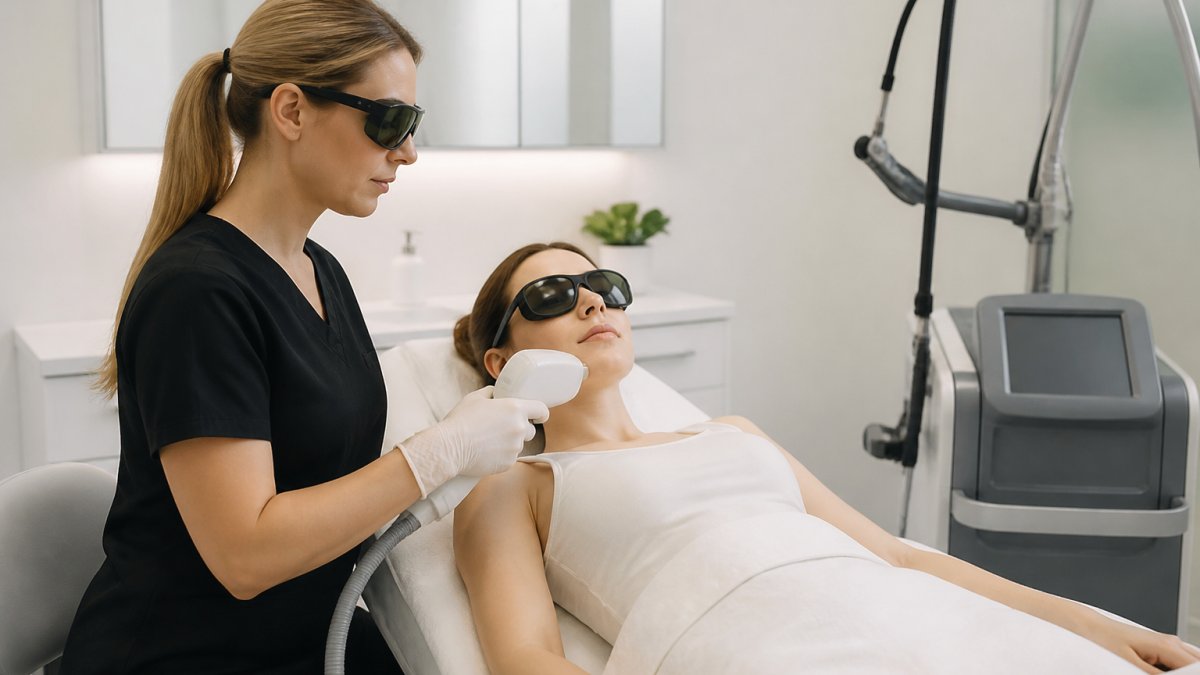
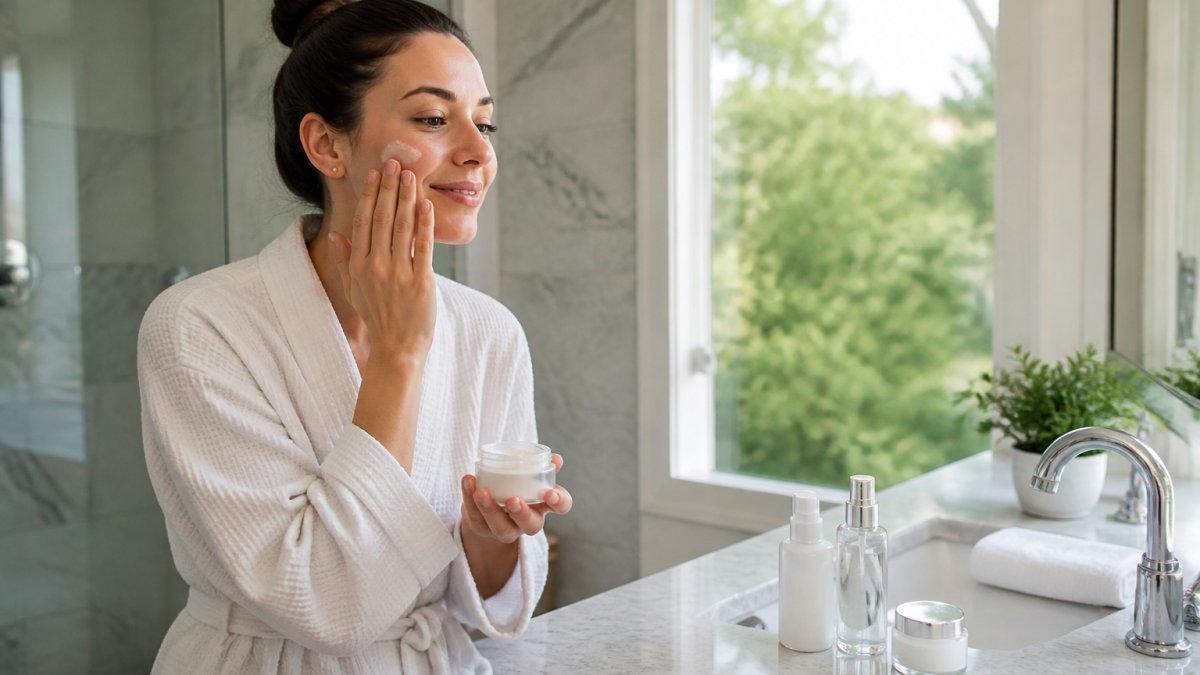
A practical skincare timeline before laser treatment runs about two to four weeks, depending on the device and your skin. The goal is simple: arrive with an intact, calm barrier and without active ingredients that make skin more reactive to light and heat.
Four Weeks Out: Review Medications and Skin History
This is the window to disclose anything that changes how your skin will respond:
- Isotretinoin (Accutane): Many providers ask patients to wait six months after the last dose before ablative laser. Non-ablative and vascular lasers may be acceptable sooner, but this is a provider call.
- Photosensitizing medications: Certain antibiotics (tetracyclines, fluoroquinolones), diuretics, and some acne treatments increase light sensitivity. Bring your full medication list to the consultation.
- Recent procedures: Botox within two weeks, fillers within two weeks, or a chemical peel within four weeks of the same area are common reasons to reschedule.
- Active cold sores or infections: Laser on or near an outbreak can spread the virus. Many providers prescribe antiviral prophylaxis for patients with a herpes history.
Two Weeks Out: Pause Active Ingredients
Stop these about 14 days before your appointment unless your provider says otherwise:
- Prescription retinoids (tretinoin, tazarotene, adapalene)
- Over-the-counter retinol and retinaldehyde
- Alpha-hydroxy acids (glycolic, lactic, mandelic) and beta-hydroxy acid (salicylic)
- Benzoyl peroxide and strong physical scrubs
- At-home chemical peels, microneedling rollers, and dermaplaning
These ingredients thin the top layer of skin and increase reactivity to laser energy. If a physician prescribed your retinoid for acne or another condition, call that prescriber before stopping.
One Week Out: Sun Discipline and Skin Tone Considerations
Sun exposure in the week before a laser session is one of the most common reasons providers postpone. A tan, even a light one, means melanin is already active, which raises PIH risk, especially for medium to deep skin tones (Fitzpatrick IV-VI). Practical steps:
- Broad-spectrum SPF 30 or higher every morning, reapplied if you are outdoors
- Wide-brim hat and shade during peak hours
- No tanning beds, spray tans, or self-tanners in the final week
- If you have a history of melasma or dark spots after injury, tell your provider, the laser settings and prep may change
Three Days Out: Gentle Skincare Only
Keep your routine boring on purpose:
- Cleanser: mild, fragrance-free, no acids
- Moisturizer: basic ceramide or hyaluronic acid cream
- Sunscreen: broad-spectrum, every morning
- Skip: scrubs, masks, peels, at-home devices, and new products
Do not start any new serum or treatment in this window. If a product was not already in your routine two weeks ago, it does not belong on your face three days before a laser session.
Day Of: Clean Skin, No Makeup, No Actives
Wash with a mild cleanser, skip moisturizer only if your provider asks (most do not), and arrive with no makeup, no sunscreen residue if instructed, and no fragrance. Bring sunglasses and a wide-brim hat for the ride home.
American Academy of Dermatology guidance on laser and light therapy preparation
How to Prepare for Microneedling: What to Avoid and What to Do
To prepare for microneedling, avoid blood thinners, alcohol, and strong exfoliants for several days before your session, and arrive with clean, product-free skin. Microneedling creates tiny channels in the skin to trigger collagen production, so anything that increases bleeding or irritation can affect your results.
Common mistakes we see:
- Getting a facial peel too close to the appointment
- Starting a new active serum the week before
- Skipping sunscreen in the days after treatment
If you have active acne, a cold sore, or a skin infection, reschedule. Treating inflamed skin raises the risk of spreading irritation.
What to Avoid Before Botox and Other Injectables
Before Botox and other injectables, the preparation that matters most is reducing bruising risk and giving your injector an accurate picture of your health. Bruising happens when a needle nicks a small blood vessel under the skin; anything that thins blood, widens vessels, or slows clotting makes that more likely and more visible. Preparation differs slightly depending on whether you are getting a neuromodulator (Botox, Dysport, Jeuveau, Xeomin), a hyaluronic acid filler (Juvéderm, Restylane, RHA), or a biostimulator (Sculptra, Radiesse).
One Week Out: Supplements and Medications
These are commonly paused about seven days before treatment, with your provider's approval:
- Fish oil, krill oil, and high-dose omega-3s
- Vitamin E
- Ginkgo biloba
- Ginger, garlic, and ginseng supplements
- Turmeric and high-dose curcumin
- Niacin (flush-free forms are usually fine)
Prescription blood thinners, warfarin, apixaban, rivaroxaban, clopidogrel, aspirin therapy, are a different category. Never stop a prescribed blood thinner on your own. Call the prescriber, explain the planned procedure, and follow their guidance. Then tell your injector exactly what you take, including daily aspirin and over-the-counter NSAIDs like ibuprofen and naproxen, which many patients do not think to mention.
24 to 48 Hours Out: Alcohol, Exercise, and Heat
- Alcohol: Skip it for 24 hours before. It dilates blood vessels and mildly impairs platelet function, both of which increase bruising.
- Intense exercise: Skip the morning of your appointment. Elevated heart rate and blood pressure increase bruising and, for fillers, may increase swelling.
- Heat: Saunas, hot yoga, and long hot showers in the 24 hours before can leave skin flushed and more reactive.
- Facials, waxing, exfoliation, and dermaplaning: Avoid for a few days before. Irritated skin is more sensitive to injection and more likely to swell.
Skin Tone and Vascular Considerations
Bruising is more visible and slower to fade on deeper skin tones because of how hemoglobin breaks down under melanin-rich skin. This is not a reason to skip treatment, it is a reason to plan. Ask your injector about:
- Timing around events where bruising would be a problem (allow 7-10 days)
- Whether a cannula technique is appropriate for filler in bruise-prone areas
- Arnica or bromelain, which some providers suggest starting a few days before (evidence is mixed, but risk is low)
- Ice and head elevation after treatment to limit swelling
If you have a bleeding disorder, a history of easy bruising, or a vascular condition, disclose it at the consultation. The plan may change.
Day Of: Clean Skin and a Clear Schedule
- Come with a clean face, no makeup if possible
- Skip intense workouts before and after
- Plan no major social events for 24-48 hours if bruising is a concern
- Do not schedule dental work, another facial procedure, or a flight immediately after filler in the same week
A Note on Neuromodulators vs. Fillers
Neuromodulators (Botox and similar) have minimal bruising risk and a short prep window, the main rules are no alcohol for 24 hours, no intense exercise the morning of, and no lying flat or rubbing the area for four hours after. Fillers carry more bruising and swelling risk, so the one-week supplement pause and 48-hour alcohol window matter more. Biostimulators like Sculptra and Radiesse may require additional hydration guidance from your provider. Ask which category your treatment falls into so you prep for the right one.
American Society of Plastic Surgeons guidance on injectable preparation
Aesthetic Treatment Consultation Questions to Ask Before You Book
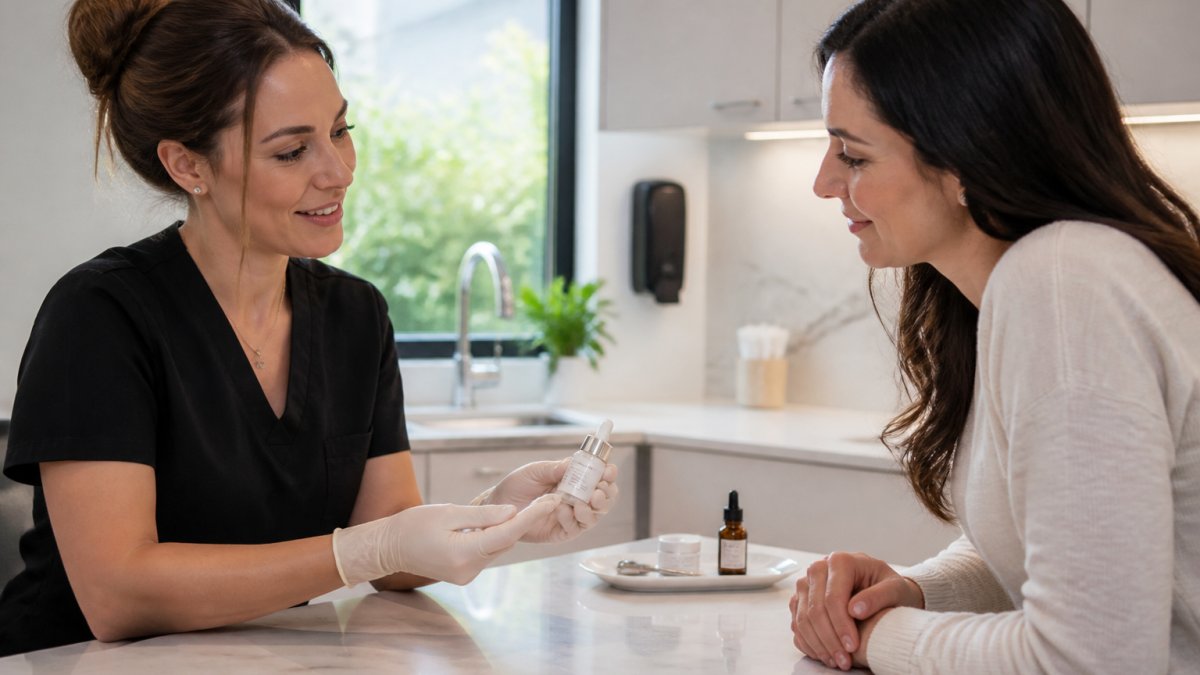
Aesthetic treatment consultation questions should cover your provider's credentials, the products used, expected downtime, total cost, and how results are maintained over time. A good consultation is a conversation, not a sales pitch.
Ask these directly:
- Who will perform my treatment, and what are their credentials?
- Which product or device will you use, and why is it right for my skin?
- What results can I realistically expect, and how long will they last?
- What is the full cost, including any follow-up visits?
- What downtime should I plan for, and what warning signs should I watch for?
- What should I do, or avoid, before and after treatment?
If a provider rushes past these questions, that is your answer.
Day-of Preparation: Cleansing, Hydration, and What to Bring
On treatment day, cleanse with a mild, fragrance-free wash, skip makeup and active serums, and drink water normally. Arrive with a clean face and loose clothing if you are treating the body.
What to bring and plan:
- A list of your medications, supplements, and allergies
- Sunglasses and a wide-brim hat for laser or facial treatments
- A support person to drive you home if you expect swelling or sedation
- A clear schedule with no major social plans for a day or two
Conclusion: Setting Yourself Up for Better Results
Preparation is not glamorous, but it is one of the few things fully in your control. Pause the right products, protect your skin from the sun, and ask the right questions before you book.
At Lumyn Medspa, we build a custom plan around your skin and your schedule. Our team offers advanced laser skin rejuvenation with Candela Nordlys®, injectables, and body contouring, all tailored to your goals. We walk you through preparation step by step so there are no surprises.
Book your consultation with Lumyn Medspa and start with skin that is ready for real results.
Frequently Asked Questions
Should I stop using retinol before an aesthetic procedure?
Yes, most providers recommend pausing retinol and other retinoids at least 5 to 7 days before treatments like laser, microneedling, or chemical peels. Retinol increases skin cell turnover and can make your skin more sensitive, raising the risk of irritation, redness, or uneven healing. Switch to a gentle cleanser and moisturizer during this window. If you use prescription-strength tretinoin, your provider may ask you to stop 7 to 14 days ahead. Always confirm the exact timing with your practitioner during your consultation.
Can I wear makeup to an aesthetic appointment?
Arrive with a clean, bare face if possible. Makeup, sunscreen, and skincare products can interfere with certain treatments, especially laser and microneedling, where the skin needs to be fully cleansed before the provider begins. If you must wear makeup, bring your own gentle cleanser and plan to remove it at the office before your procedure. Your provider will also cleanse the treatment area, but starting with clean skin reduces the chance of irritation and lets them assess your skin accurately.
How long before a treatment should I change my skincare routine?
Start simplifying your routine about 1 to 2 weeks before your appointment. Stop active ingredients like retinol, glycolic acid, salicylic acid, and vitamin C serums, and switch to a mild cleanser, a basic moisturizer, and daily sunscreen. This gives your skin barrier time to recover and lowers the risk of sensitivity during the procedure. If you have a history of cold sores, eczema, or recent sun exposure, tell your provider so they can adjust the timeline or recommend a different approach.
What should I tell my provider before an aesthetic procedure?
Share your full medical history, including allergies, current medications, supplements, and any recent skin treatments or cosmetic procedures. Mention if you are pregnant, breastfeeding, or have a history of cold sores, keloid scarring, or autoimmune conditions. Also disclose any upcoming events, work commitments, or travel plans so your provider can set realistic expectations about downtime and recovery. The more they know, the better they can tailor the treatment to your skin and goals.