 how-to
What to Expect During Your First Chemical Peel
Last Updated: October 30, 2026
Quick Summary
During your first chemical peel, a licensed provider applies an acid solution to your face that loosens dead skin cells so the outer layer peels off over the next several days, revealing smoother, brighter skin. Most first-timers start with a superficial peel, which causes mild redness and light flaking with little to no downtime. Expect a warm, tingling or stinging sensation during application that usually peaks in the first few minutes and then settles.
- A superficial peel uses mild alpha hydroxy acids and touches only the outer layer of skin.
- Pause retinoids, glycolic acid, and scrubs for about a week before your appointment.
- Medium peels use trichloroacetic acid and typically bring a full week of redness and flaking.
- Do not pick or scrub peeling skin, since picking can cause scarring and dark spots.
- Most people need a series of sessions spaced a few weeks apart, plus maintenance treatments.
Table of Contents
- How a Chemical Peel Works and Who It's For
- Chemical Peel Preparation Before Your Appointment
- What Happens During the Treatment
- What Does a Chemical Peel Feel Like
- Chemical Peel Recovery Time: A Day-by-Day Timeline
- Chemical Peel Aftercare for the First Week
- Realistic Results and How Many Sessions You Need
- Book Your Chemical Peel Consultation at Lumyn Medspa
- Frequently Asked Questions
How a Chemical Peel Works and Who It's For
A chemical peel is a treatment that applies a chemical solution to the face so the top layers of skin cells lift away and fresh skin grows in their place.
Here's the short version of what happens. A licensed provider applies an acid solution to your face. That solution loosens the bonds holding dead skin cells together.
Who is it for? Most healthy adults can get a peel. It suits people dealing with dull skin, mild breakouts, or early signs of aging.
Superficial, Medium, and Deep Peels
Peels come in three depths, and the depth decides everything else: how it feels, how long you heal, and how deep the results go.
- Superficial peel: Uses mild alpha hydroxy acids. It touches only the outer layer of skin. Little to no downtime.
- Medium peel: Uses trichloroacetic acid, often called TCA. It reaches into the dermal layer. Expect a week of redness and flaking.
- Deep peel: Uses phenol. It goes deepest and delivers the strongest results. It also needs the longest recovery.
Most first-timers start with a superficial peel. It's the safest way to see how your skin responds.
Skin Concerns Peels Can Treat
Peels address a range of common complaints:
- Acne and mild acne scars
- Uneven skin tone and dark spots
- Fine wrinkles
Deeper peels can soften more stubborn scarring. But no peel erases deep scars in one session. Set realistic expectations going in.
Chemical Peel Preparation Before Your Appointment
Good chemical peel preparation starts about a week before your visit, and it makes the treatment safer and more even. Skipping this step can affect how your treatment goes.
Here's how to prepare:
- Stop retinoids and exfoliants. Pause retinol, glycolic acid, and scrubs for about a week. These thin the skin and raise your risk of irritation.
- Stay out of the sun. Avoid sun exposure and tanning for at least a week. Tanned or burned skin should not be peeled.
- Tell us about your medications. Some prescriptions, like isotretinoin, affect healing. Share your full medication list during your consult.
- Skip waxing and shaving the treatment area. Give your skin a break for a few days beforehand.
- Arrive with clean skin. No makeup, lotion, or sunscreen on the day of your peel.
A little prep now can help reduce redness later. For a deeper guide, see How to Prepare Your Skin for Aesthetic Procedures.
What Happens During the Treatment
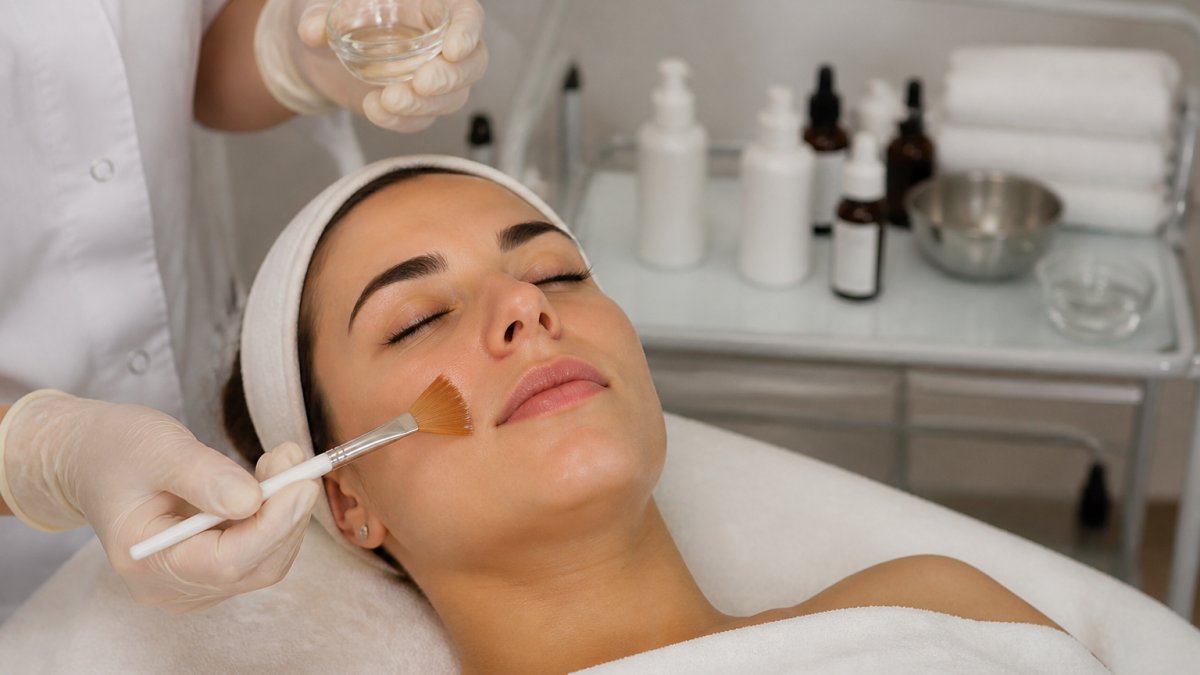
Session length varies with depth and your provider's plan. Typically, a provider cleans the face, protects the eyes, and applies the chemical solution in even layers.
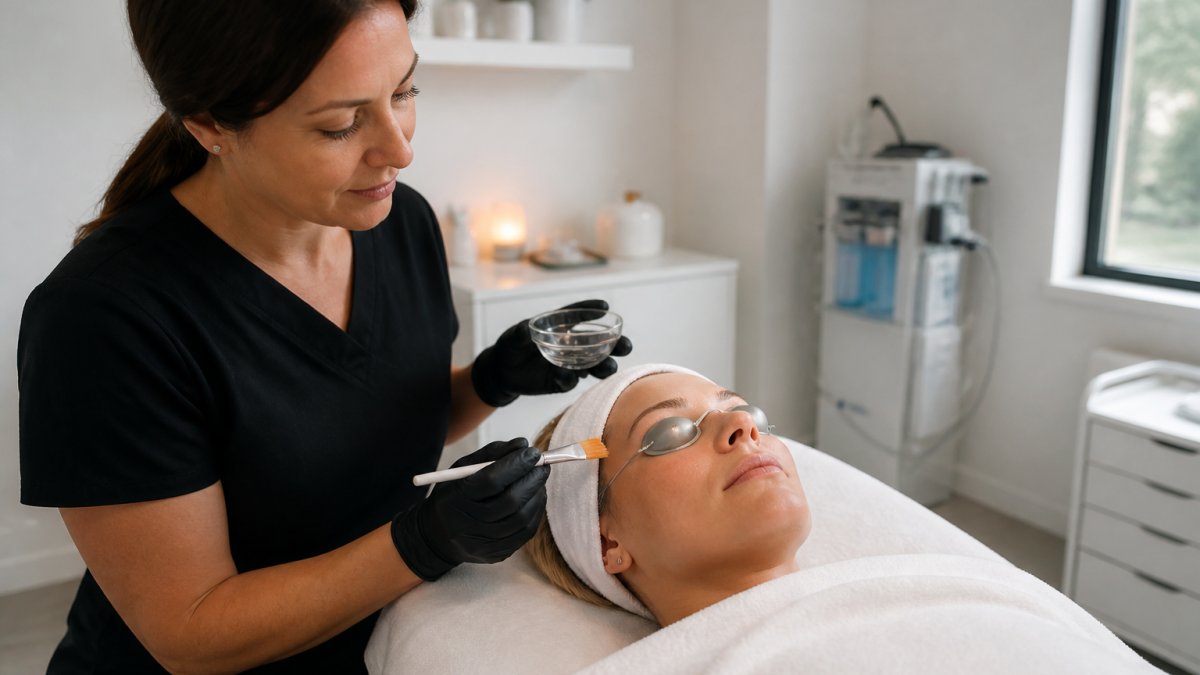
A provider generally watches the skin closely during treatment, then neutralizes or removes the solution once the target depth is reached. Skin often looks flushed afterward.
What Does a Chemical Peel Feel Like
Most people describe a chemical peel as a warm, tingling, or stinging sensation during application. That's the acid solution at work. The feeling usually peaks in the first few minutes and then settles.
What it feels like depends on depth:
- Superficial peel: A mild tingling or light stinging.
- Medium peel: A stronger warming sensation, sometimes a brief burning feeling.
- Deep peel: The most intense. This depth is typically done with close monitoring and sometimes numbing.
The stinging generally eases once the solution is neutralized. Some lingering tightness over the next day is common.
Chemical Peel Recovery Time: A Day-by-Day Timeline
Chemical peel recovery time depends almost entirely on depth. A superficial peel can have you back to normal within a few days, while a deep peel can take two weeks or more before you look and feel fully recovered. The timeline below separates superficial, medium, and deep peels so you can plan around the depth you're actually getting.
Superficial Peel Recovery Timeline
A superficial peel (mild alpha hydroxy acids) touches only the outer layer of skin. Most people see mild redness and tightness for a few hours to a day, followed by light flaking around days two through four.
| Day | What You'll Likely See | What to Do |
|---|---|---|
| Day 1 | Mild redness, tightness, slight stinging | Gentle cleanser, moisturizer, skip makeup if possible |
| Day 2-3 | Light flaking, especially around the nose and mouth | Moisturize often, do not pick |
| Day 4-5 | Flaking subsides, skin looks brighter | Resume sunscreen daily, avoid scrubs |
| Day 6-7 | Skin tone looks more even | Normal routine, keep up sun protection |
Most people can return to work and light exercise the same day or the next. Makeup is usually fine after 24 hours if the skin isn't broken.
Medium Peel Recovery Timeline
A medium peel (TCA) reaches into the dermal layer, so the recovery is more visible and lasts longer. Expect a full week of redness and flaking, with peeling typically starting around day three and peaking around days four through six.
| Day | What You'll Likely See | What to Do |
|---|---|---|
| Day 1 | Noticeable redness, swelling, tightness | Gentle cleanser, moisturizer, cool compresses |
| Day 2-3 | Deeper redness, start of flaking | Keep skin moisturized, do not pick |
| Day 4-6 | Visible peeling and flaking | Let flakes fall off on their own |
| Day 7-10 | Fresh, pinkish skin underneath | Resume sun protection, avoid scrubs |
| Week 2-3 | Skin tone evens out | Normal routine, keep up sunscreen |
Plan for about a week of social downtime. Many people take a few days off work or schedule a medium peel before a long weekend. Strenuous exercise and heavy sweating are usually discouraged for the first several days.
Deep Peel Recovery Timeline
A deep peel (phenol) goes deepest and delivers the strongest results, but it also needs the longest recovery. Redness and swelling can last two weeks or more, and peeling may continue into the third week.
| Day | What You'll Likely See | What to Do |
|---|---|---|
| Day 1-3 | Significant redness, swelling, discomfort | Follow your provider's post-care instructions closely |
| Day 4-7 | Peeling begins, skin feels raw and tight | Gentle care only, no actives |
| Week 2 | Continued redness and flaking | Moisturize, protect from sun |
| Week 3-4 | Skin begins to look more normal | Resume routine as cleared by your provider |
Deep peels are typically done with close monitoring and sometimes numbing, and they require the most careful aftercare. Plan for at least two weeks of visible recovery and follow your provider's schedule for follow-up visits.
Normal Healing vs. Warning Signs
Some redness, swelling, tightness, and flaking are all part of normal healing at every depth. But a few signs mean you should call your provider right away:
- Blisters or oozing
- Severe pain that gets worse, not better
- Spreading redness or warmth
Trust your gut. If something feels wrong, reach out. A consultation with a qualified professional can help you understand managing skin sensitivity after a peel and spotting the difference between normal healing and a problem.
Chemical Peel Aftercare for the First Week
Chemical peel aftercare is where results are won or lost. The rules are simple, but you have to follow them. The practical questions first-timers actually ask, when can I go back to work, exercise, or wear makeup?, usually go unanswered. Here's how to plan your first week around real life.
The Core Aftercare Rules
- Use a gentle cleanser. Skip anything with scrubs, acids, or fragrance.
- Moisturize often. A plain, hydrating moisturizer keeps flaking skin comfortable.
- Apply sun protection daily. Your fresh skin is extra sensitive to sun exposure. Use a broad-spectrum sunscreen and a hat.
A good hydrating serum can make the flaking stage far more comfortable. If you want product ideas, we can share recommendations for caring for post-procedure skin.
Work, Exercise, Makeup, and Everyday Activity
How quickly you return to normal routines depends on peel depth and how your skin responds. A common pattern is:
- Work: Superficial peels usually allow a return the same day or next. Medium peels often mean a few days of social downtime, and deep peels may require one to two weeks away from work depending on your job and your provider's guidance.
- Exercise: Sweating and heat can irritate healing skin. Most practitioners suggest holding off on strenuous exercise for at least 24 to 48 hours after a superficial peel, and longer after medium or deep peels. Light walking is usually fine.
- Makeup: Many providers allow makeup after 24 hours for superficial peels if the skin isn't broken. After medium or deep peels, wait until your provider clears you, usually once peeling has settled.
Skin Tone, Sensitivity, and Pigmentation Considerations
Skin type and history matter after a peel. People with a history of hyperpigmentation or irritation may need a gentler approach, a different peel choice, or extra sun protection during healing. If you've had dark spots after past treatments or notice unusual irritation, tell your provider before the peel so they can adjust the plan and your aftercare.
When to Call Your Provider
Contact your provider if you see blisters, oozing, spreading redness or warmth, fever, or pain that gets worse instead of better. These are not typical aftercare complaints and should be checked promptly.
Realistic Results and How Many Sessions You Need
One peel rarely delivers the full result. Most people need a series of sessions spaced a few weeks apart, then occasional maintenance treatments to keep skin looking its best.
What you can realistically expect:
- Brighter, smoother skin in the days following a superficial peel as flaking settles
- More even tone after a series of sessions
- Softer fine lines over time, not overnight
Results build gradually. For current pricing on a series of sessions, check with Lumyn Medspa directly, since pricing depends on the treatment plan. You can also read about Chemical Peel in San Antonio: Costs & Recovery to plan sessions and budget.
Book Your Chemical Peel Consultation at Lumyn Medspa
Knowing the steps can make your first chemical peel feel more predictable. Preparation, the treatment itself, and a week of gentle aftercare all follow a clear path.
Customized treatment plans are a service we offer. A personalized approach can help you work toward refreshed, radiant skin.
Ready to see what a peel can do for your skin? Book Now and discuss a plan built for you.
Frequently Asked Questions
How painful is a chemical peel?
Most people describe a chemical peel as a stinging or warming sensation rather than true pain, especially with superficial peels. The feeling peaks in the first few minutes and fades as the solution neutralizes. Medium and deep peels can feel more intense, and your provider may apply a cooling device or offer a numbing step. Tell your provider right away if the sensation becomes sharp or unbearable, since that can signal the peel is too deep.
What should I do before my first chemical peel?
Chemical peel preparation usually starts one to two weeks ahead. Your provider may ask you to pause retinoids, exfoliating acids, and any waxing or laser treatments, and to avoid sun exposure. Disclose all medications and supplements, including blood thinners and isotretinoin use, since these affect healing. Arrive with clean skin and no makeup. Following these steps lowers your risk of irritation and helps the peel work evenly across your face.
How long does chemical peel recovery time take?
Recovery depends on depth. A superficial peel typically causes mild redness and light flaking for two to four days. Medium peels often involve visible peeling for about a week. Deep peels can require one to two weeks of healing before makeup or normal activity. Your provider will give you a timeline based on your skin and the specific solution used, and following chemical peel aftercare closely helps you heal on schedule.
When should I contact my provider after a chemical peel?
Call your provider if you notice signs of infection such as spreading warmth, pus, or fever, or if redness and swelling worsen after day three instead of improving. Blistering, severe pain, or dark patches that appear suddenly also warrant a call. Mild tightness and flaking are normal, but trust your instincts on anything that feels wrong. Lumyn Medspa's team can advise you on whether to adjust your aftercare or come in for a check.
Your skin deserves a plan made for it, not a guess. Get started with Lumyn Medspa and book your chemical peel consultation today.