 how-to
Non-Surgical Fat Reduction Results Timeline
Table of Contents
- How Non-Surgical Fat Reduction Works
- How Many Sessions for Fat Reduction You'll Need
- Timeline for Visible Results
- Non-Invasive Body Contouring Recovery and Downtime
- Fat Dissolving Injections Timeline and What to Expect
- Factors That Affect Your Treatment Outcomes
- Maintaining Your Results Long-Term
- Conclusion
- Frequently Asked Questions
Last Updated: September 4, 2026
Non-surgical fat reduction results take time to appear because fat cells must be cleared through your body's natural lymphatic system. Managing expectations is as important as the technology itself.
Non-surgical fat reduction triggers apoptosis (programmed cell death) in fat cells, which are then cleared by your lymphatic system over several weeks. This guide breaks down the timeline week by week, how many sessions you'll need, and how to support the process.
How Non-Surgical Fat Reduction Works
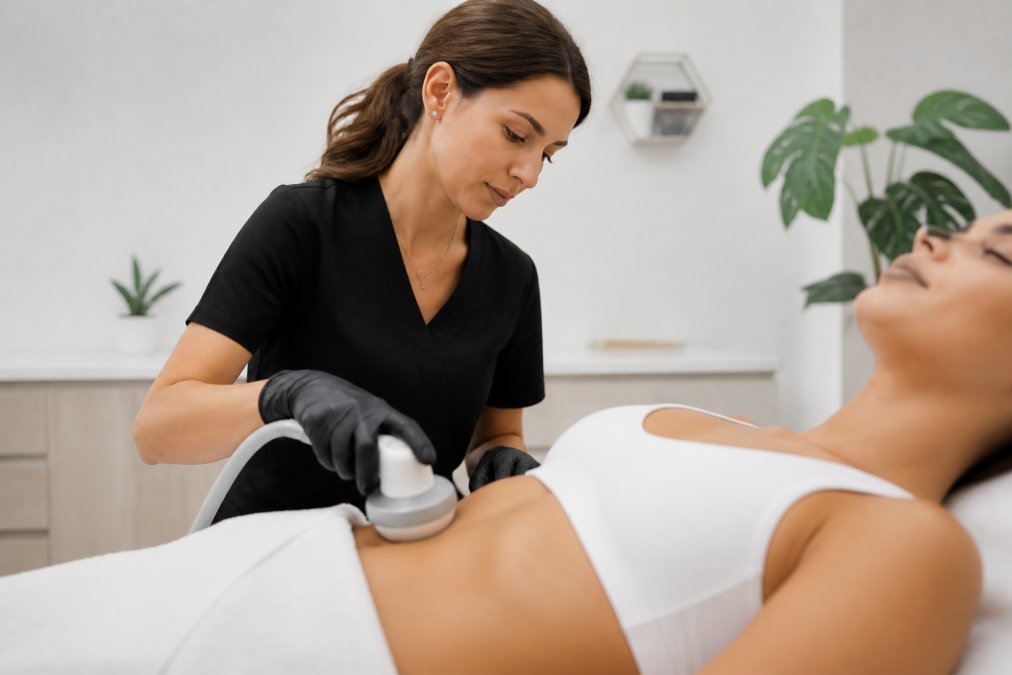
Non-surgical fat reduction destroys fat cells without incisions or extended recovery, relying on your body's natural clearance mechanisms instead of physical removal.
Cryolipolysis freezes fat cells, laser and radiofrequency devices heat them, and fat-dissolving injections chemically break down cell membranes. All methods rely on the liver to process and excrete destroyed cells, making hydration and circulation critical during treatment.
Each session eliminates a fraction of fat cells, requiring multiple treatments to reach aesthetic goals and producing a natural-looking transition.
How Many Sessions for Fat Reduction You'll Need
Most patients need two to four sessions spaced four to eight weeks apart, depending on the technology, treatment area, and fat volume (the FDA).
Cryolipolysis typically requires one to three sessions, fat-dissolving injections two to four, and laser treatments one to two for smaller areas. Your provider should assess your BMI and goals to recommend a personalized plan.
Additional sessions should only target areas that did not respond adequately after the initial series, not chase unrealistic goals.
Timeline for Visible Results

Results follow a predictable pattern: minimal change in weeks one to two, gradual improvement through month two, and peak results at months three to four. Understanding each stage helps you support your body's natural fat-clearing process.
Week 1-2: Apoptosis Activation and Initial Inflammation
During the first two weeks, you will see little visible change. The treatment triggers apoptosis, where fat cell membranes rupture and release contents into surrounding tissue over several days.
Mild swelling, redness, or aching signals that clearance has begun. Avoid anti-inflammatory medications like ibuprofen during the first week, as they can slow the clearance timeline (peer-reviewed research).
Prioritize hydration and gentle movement like walking to support lymphatic flow. Avoid intense exercise, heat exposure, and alcohol.
Week 3-8: Lymphatic Drainage and Gradual Fat Cell Clearance
Visible changes typically start between weeks three and eight as the lymphatic system removes destroyed fat cell debris. The lymphatic system relies on muscle contractions and movement to propel fluid toward the liver for processing.
Fat cell remnants travel through the lymphatic system and are excreted over four to eight weeks. You may notice clothing fits differently or the area looks smoother as fat deposits diminish.
Maintain consistent hydration (8-10 glasses daily), engage in low-impact movement like walking or swimming, and consider dry brushing or lymphatic massage (the NIH). Avoid restrictive clothing that compresses lymph vessels.
Month 3-4: Peak Results and Fat Cell Stabilization
Peak results appear at months three to four when clearance is complete. Eliminated fat cells do not return if you maintain stable weight. Evaluate outcomes and determine next steps at this point.
Some patients see subtle improvements into month five or six with excellent hydration and activity. Timeline varies by metabolic rate, age, and lymphatic health.
Non-Invasive Body Contouring Recovery and Downtime
Recovery is minimal; most patients return to work immediately. Redness, bruising, or temporary numbness typically resolve within a few days.
Recovery extends beyond immediate side effects; your body clears fat cells for weeks. Avoid anti-inflammatory medications to support the clearance process.
Cryolipolysis causes temporary cold sensation but no recovery. Fat-dissolving injections may cause swelling for several days. Laser treatments produce mild redness. None require canceling work or social plans.
Fat Dissolving Injections Timeline and What to Expect
Fat-dissolving injections show first changes around three weeks after the first session, with progressive improvement over following months.
Sessions are spaced three to four weeks apart, with most patients needing two to four injections per area. Swelling typically lasts several days.
Fat-dissolving injections suit small, well-defined areas like under the chin or jawline, not large-volume fat reduction. Consult a qualified provider to determine suitability.
Factors That Affect Your Treatment Outcomes
Several factors determine outcomes: patient candidacy (localized fat deposits resistant to diet and exercise), biology, lifestyle, and treatment variables.
Realistic Percentage Reduction Expectations Per Session
Expect a single session to make fat deposits noticeably smaller but not eliminate them. Most patients need multiple treatments to reach aesthetic goals.
Body Composition and Baseline Fat Distribution
Patients with BMI under 30 and well-defined localized fat deposits see the most dramatic results. Higher BMI or generalized fat distribution may produce less dramatic visual change.
Younger patients with good skin elasticity see crisper contouring results. Older patients may benefit from combining fat reduction with skin-tightening technologies.
Lifestyle Stability and Weight Management
Maintain stable weight to preserve results. Weight gain can expand remaining fat cells; weight loss can amplify visible results.
Hydration and regular movement support lymphatic drainage and circulation. A healthy diet and exercise routine enhance results by supporting fat clearance.
Provider Skill and Treatment Planning
Provider skill is critical. Proper patient selection, accurate treatment planning, and correct device settings determine safety and efficacy.
Outcomes improve when treatments are performed by trained medical professionals rather than unsupervised technicians, ensuring precision and appropriate patient selection.
Maintaining Your Results Long-Term
Treat non-surgical fat reduction as a one-time reset. Destroyed fat cells are gone permanently, but remaining cells can expand with weight gain.
Maintain results by keeping weight stable, exercising regularly, and staying hydrated. Patients who follow these habits preserve results for years.
Follow-up visits at the three-month mark allow your provider to evaluate results and discuss whether touch-up sessions are needed. At Lumyn Medspa, we build customized treatment plans using advanced technology to deliver natural-looking results.
Conclusion
Non-surgical fat reduction offers a genuine alternative to surgery for patients with stubborn fat pockets resistant to diet and exercise. Results take three to four months, multiple sessions are often necessary, and lasting outcomes depend on maintaining stable weight.
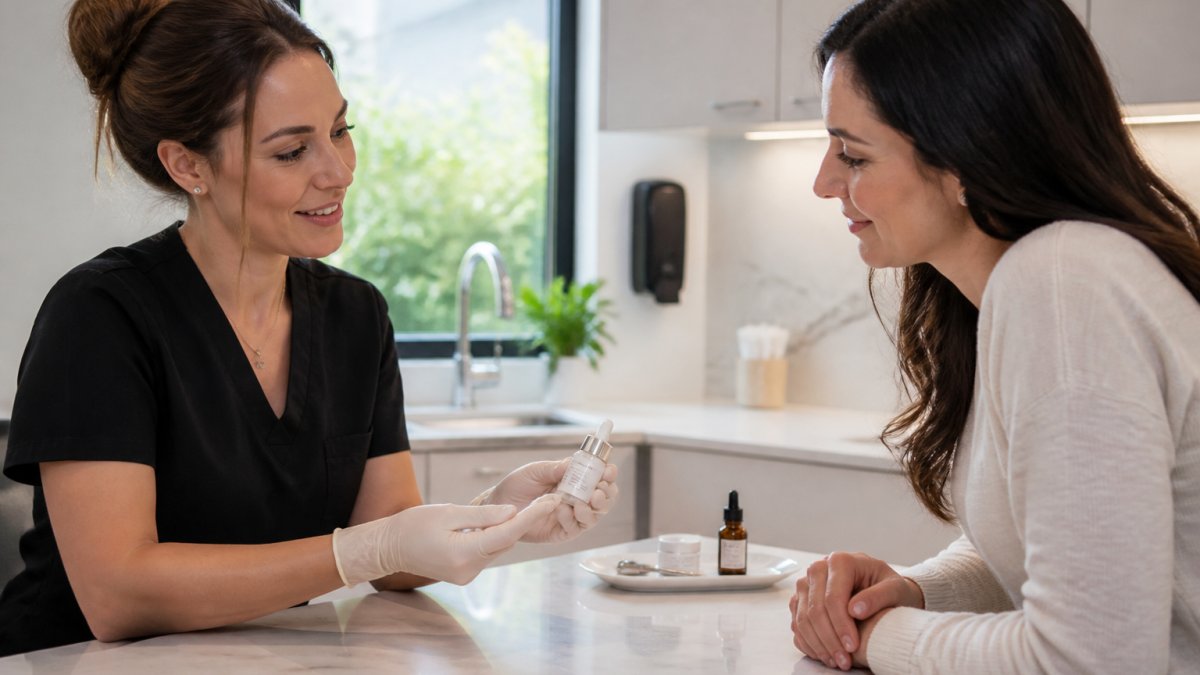
Work with a team that prioritizes honest expectations and personalized care. At Lumyn Medspa, we combine advanced technology with professional oversight. Book a consultation to learn whether non-surgical fat reduction is right for you.
Frequently Asked Questions
How many sessions are typically required for visible fat reduction?
Most non-surgical fat reduction treatments require 1-3 sessions spaced 4-8 weeks apart, depending on the technology and the size of the treatment area. Fat dissolving injections typically need 2-4 sessions, while cryolipolysis may require 1-3 treatments. Your provider will assess your goals and recommend a customized plan during your consultation.
Does fat come back after non-surgical fat reduction treatments?
Non-surgical fat reduction permanently eliminates fat cells through apoptosis, a natural cell death process. The treated fat cells do not regenerate. However, remaining fat cells can expand if you gain weight, which is why maintaining your current weight through diet and exercise helps preserve your results long-term.
How long does it take to see final results after non-invasive body contouring?
Peak results typically appear 8-12 weeks after your final treatment session. The body needs time to clear dead adipose tissue through the lymphatic drainage system. Some patients notice gradual improvement starting at 3-4 weeks, but patience through the full timeline ensures you see the complete aesthetic outcome your treatment plan was designed to deliver.
What is the recovery period for non-invasive body contouring?
Most non-invasive body contouring procedures have minimal to no downtime. You may experience mild redness, swelling, or tenderness that resolves within hours to a few days. Unlike surgical options, you can return to work and normal activities immediately. Your provider will give specific post-treatment care instructions to optimize your results and comfort.
This article was written using GrandRanker
Frequently Asked Questions
Q: How many sessions are typically required for visible fat reduction?
Most non-surgical fat reduction treatments require 1-3 sessions spaced 4-8 weeks apart, depending on the technology and the size of the treatment area. Fat dissolving injections typically need 2-4 sessions, while cryolipolysis may require 1-3 treatments. Your provider will assess your goals and recommend a customized plan during your consultation.
Q: Does fat come back after non-surgical fat reduction treatments?
Non-surgical fat reduction permanently eliminates fat cells through apoptosis, a natural cell death process. The treated fat cells do not regenerate. However, remaining fat cells can expand if you gain weight, which is why maintaining your current weight through diet and exercise helps preserve your results long-term.
Q: How long does it take to see final results after non-invasive body contouring?
Peak results typically appear 8-12 weeks after your final treatment session. The body needs time to clear dead adipose tissue through the lymphatic drainage system. Some patients notice gradual improvement starting at 3-4 weeks, but patience through the full timeline ensures you see the complete aesthetic outcome your treatment plan was designed to deliver.
Q: What is the recovery period for non-invasive body contouring?
Most non-invasive body contouring procedures have minimal to no downtime. You may experience mild redness, swelling, or tenderness that resolves within hours to a few days. Unlike surgical options, you can return to work and normal activities immediately. Your provider will give specific post-treatment care instructions to optimize your results and comfort.