 ultimate-guide
Preventative Aesthetics for Beginners: A 2026 Guide
Table of Contents
- What Preventative Aesthetics Actually Means
- Preventative vs. Corrective Skincare: Understanding the Difference
- How Skin Ages and Why Early Action Matters
- When to Start Preventative Botox and Other Injectables
- Preventative Botox Benefits and What to Expect
- How Long Does Botox Last and What's the Real Maintenance Commitment
- Your Preventative Aesthetics Action Plan: Getting Started Safely
- Frequently Asked Questions
Last Updated: October 10, 2026
What Preventative Aesthetics Actually Means
Preventative aesthetics is the practice of using non-surgical treatments to slow visible signs of aging before they become pronounced, rather than waiting to address deep wrinkles, significant volume loss, or other advanced aging concerns. At Lumyn Medspa, we approach preventative aesthetics as a proactive strategy that maintains skin quality and facial harmony over time, rather than requiring aggressive corrective interventions later.
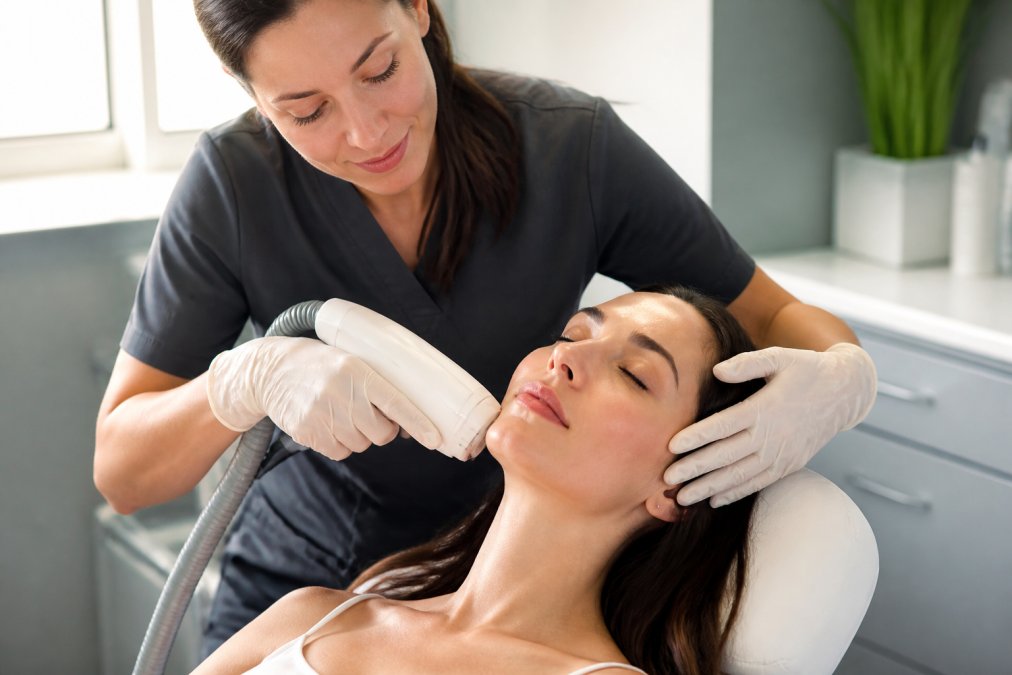
The core idea is straightforward: it's easier to maintain skin elasticity and prevent fine lines from deepening than to reverse significant damage. This might include early injectables, laser skin rejuvenation, professional skincare protocols, and sun protection strategies, all designed to support your skin's natural collagen production and slow the biological aging process.
Preventative vs. Corrective Skincare: Understanding the Difference
The distinction between preventative and corrective treatments shapes your entire aesthetic journey. Preventative treatments target early signs of aging, subtle fine lines, minor loss of skin elasticity, or early changes in skin texture, before they become structural problems. Corrective treatments address established concerns: deep wrinkles, significant volume loss, or pronounced facial changes that require more intensive intervention.
Think of it this way: preventative Botox smooths dynamic wrinkles when they're still faint, while corrective Botox addresses wrinkles that have become etched into the skin. Preventative laser skin rejuvenation maintains skin tone and texture; corrective approaches tackle advanced sun damage or scarring.
The practical advantage of starting early is that preventative strategies often require less product, fewer sessions, and subtler results, which aligns with the natural appearance most people actually want. You're supporting your skin's existing structure rather than rebuilding it.
How Skin Ages and Why Early Action Matters
Skin aging happens through multiple overlapping mechanisms. Collagen production declines steadily after your mid-20s, reducing skin firmness and elasticity. Sun exposure accelerates this process by breaking down collagen fibers and creating oxidative stress. Facial volume naturally decreases over time, changing the contours of your face. Dynamic wrinkles form from repeated facial expressions; static wrinkles develop when skin loses elasticity and can no longer bounce back.
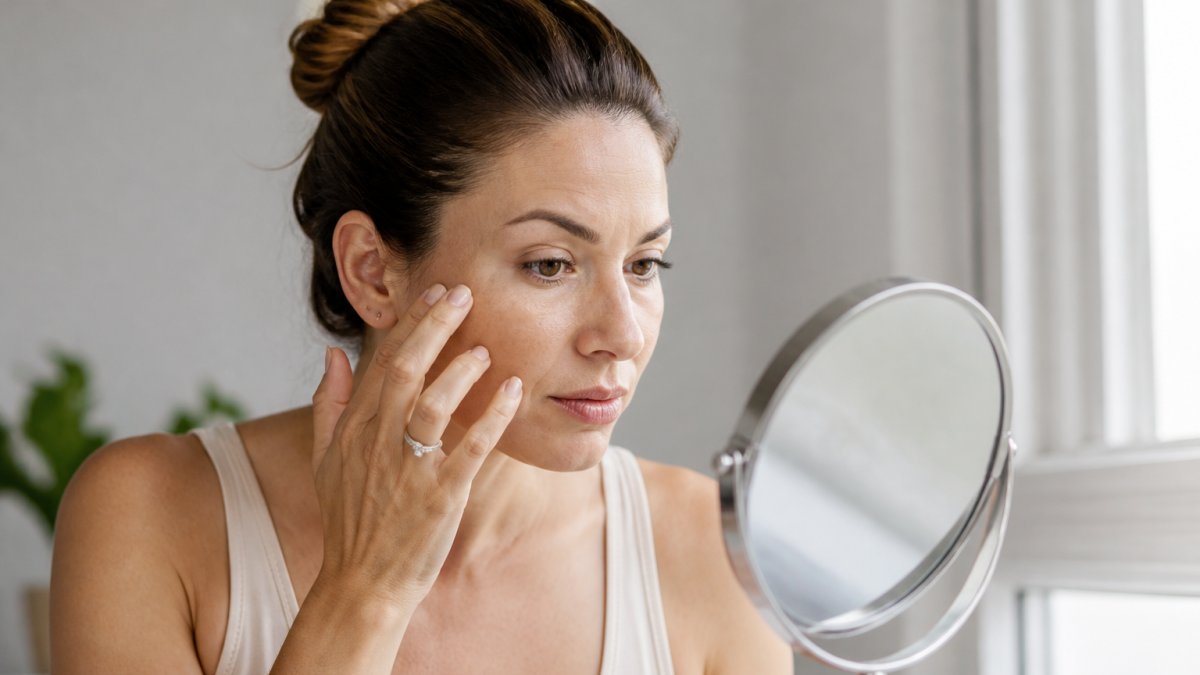
These changes compound. Early intervention, even small preventative steps, interrupts the cascade. When you address fine lines while they're still dynamic, you prevent them from becoming static. When you support collagen production now, you maintain the structural foundation that keeps skin looking youthful and resilient.
When to Start Preventative Botox and Other Injectables
Timing preventative injectables depends on three factors: visible signs of aging, your aesthetic goals, and whether less invasive options have been exhausted. However, age alone is not the deciding factor.
Signs you may be ready for injectables:
- You notice dynamic wrinkles (lines that appear when you move your face, especially on the forehead, between the brows, or around the eyes) that persist even at rest
- You've maintained a consistent skincare routine with retinol and sunscreen for at least 6-12 months and want additional support
- You have a family history of early wrinkle formation or deep expression lines
- You're concerned about volume loss in the cheeks, temples, or under the eyes that skincare alone cannot address
Before choosing injectables, evaluate your skincare foundation first. Many beginners assume they need Botox when what they actually need is consistent sun protection and a retinol product. A dermatologist or qualified aesthetic provider should assess your skin during a consultation and recommend the least invasive option that addresses your concern. For example, early fine lines often respond well to professional-grade retinol serums or laser skin rejuvenation before injectables become necessary. Preventative injectables work best when they're part of a complete strategy, not a substitute for foundational skincare.
For injectables specifically: Preventative Botox typically starts when dynamic wrinkles are visible but not yet etched into the skin at rest, usually the early to mid-30s for most people, though some with very expressive faces or intense sun exposure may benefit earlier. Dermal fillers for preventative volume support usually begin in the early to mid-30s when subtle loss becomes noticeable around the cheeks, temples, or under the eyes. The advantage of starting early is that smaller, more frequent touch-ups maintain results subtly. You're preventing the dramatic changes that would otherwise require more product and more obvious intervention down the line.
A practical starting point: Schedule a consultation with a board-certified dermatologist or plastic surgeon to assess your skin type, tone, and individual aging pattern. Ask them to recommend a 6-12 month skincare protocol before recommending injectables. If dynamic wrinkles persist after that foundation is solid, preventative Botox becomes a reasonable next step. This staged approach ensures you're not over-treating and that any professional treatment you pursue is truly necessary rather than cosmetic preference disguised as prevention.
Preventative Botox Benefits and What to Expect
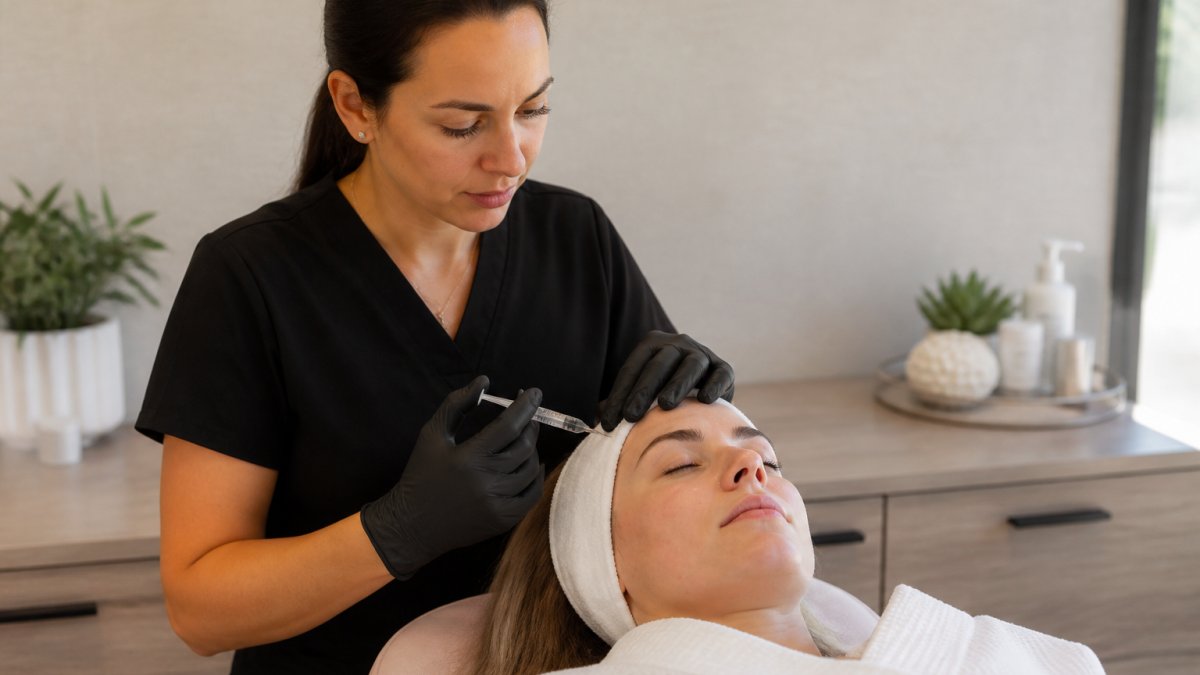
Preventative Botox works by relaxing the muscles that create dynamic wrinkles. When used early, it prevents those lines from deepening into permanent creases. The results are subtle, you still move your face naturally, but the repetitive movements that etch wrinkles are gently reduced.
Most people report that preventative Botox feels like maintaining the status quo rather than seeing dramatic transformation. Your skin looks refreshed, the fine lines soften, and you avoid the "frozen" appearance that comes from over-treatment. Results typically appear within 3-7 days and continue improving for two weeks.
Preventative Botox works best when combined with daily sunscreen and a solid skincare routine. The injectable doesn't undo sun damage, it just prevents new wrinkles from forming as aggressively. ::: Maintaining this balance requires a consistent anti-aging routine that addresses the underlying health of your skin barrier alongside these targeted treatments.
How Long Does Botox Last and What's the Real Maintenance Commitment
Botox typically lasts 3-4 months. After that window, the body gradually metabolizes the product and muscle movement returns. This means preventative Botox requires ongoing maintenance, roughly 4 treatments per year to maintain consistent results.
Many people find the maintenance rhythm manageable because preventative doses are smaller and results are subtle. You're not chasing dramatic transformation; you're maintaining a baseline. Some practitioners recommend spacing treatments slightly longer initially (every 4-5 months) and then adjusting based on how quickly your results fade.
The real commitment is consistency. Skipping treatments doesn't cause harm, but it means wrinkles will gradually return to their pre-treatment trajectory. Staying on a regular schedule keeps skin looking consistently refreshed without dramatic fluctuations.
Your Preventative Aesthetics Action Plan: Getting Started Safely
Starting preventative aesthetics safely means moving deliberately, understanding realistic costs and risks, and working with qualified professionals who personalize recommendations to your skin type and health history.
Step 1: Schedule a consultation with a licensed provider. A qualified aesthetic professional will assess your skin, discuss your goals, and recommend appropriate treatments. During this consultation, ask about their experience with your skin type and tone. Treatment suitability and risks can vary significantly: for example, certain laser treatments require adjusted settings for deeper skin tones to minimize post-inflammatory hyperpigmentation, and some injectables may carry different risks for people with certain neuromuscular conditions or bleeding disorders.
Step 2: Understand the financial commitment. Preventative aesthetics requires ongoing investment. Budget expectations typically include ongoing investment. Discuss pricing and package options during your consultation.
Step 3: Know the side effects and contraindications. Preventative treatments are generally safe when administered by qualified providers, but they carry real risks:
- Botox: Temporary bruising, swelling, headache (rare), or asymmetry if injected incorrectly. Avoid if pregnant, breastfeeding, or have certain neuromuscular disorders. Results take 3-7 days to appear.
- Dermal fillers: Bruising, swelling, tenderness, and rare but serious risks like vascular occlusion (blockage of blood vessels). Recovery typically takes 24-48 hours; avoid strenuous exercise and alcohol for 24 hours.
- Laser skin rejuvenation: Temporary redness, swelling, and sensitivity to sun. Avoid if you have active acne, certain medications (like isotretinoin), or darker skin tones without provider expertise in your skin type. Recovery ranges from 3-7 days depending on intensity.
- Retinol and prescription-strength retinoids: Dryness, irritation, and increased sun sensitivity. Start low and build tolerance over weeks. Avoid during pregnancy.
Disclose your full medical history, current medications, and any skin conditions. If you're pregnant, breastfeeding, have active skin infections, or take blood thinners, postpone injectables until it's safe.
Step 4: Establish a skincare foundation. Daily sunscreen (SPF 30 or higher, reapplied every 2 hours outdoors), a retinol product (start 2-3 times per week and increase gradually), and antioxidants (like vitamin C serum) support whatever professional treatments you pursue. This is non-negotiable; preventative aesthetics is a partnership between professional care and daily habits. Skincare alone can address early fine lines, uneven texture, and mild sun damage, often without injectables.
Step 5: Ask about realistic expectations, maintenance timelines, and what happens if you pause. Understand how often you'll need treatments, what results actually look like in photos, and what your skin will look like if you stop. A trustworthy provider will be transparent: preventative Botox doesn't stop aging, it slows visible wrinkle formation. If you pause treatments, wrinkles will gradually return to their pre-treatment trajectory over 3-4 months. This is normal and not a failure; it means the treatment worked as intended.
Step 6: Choose a provider you trust. Verify credentials (board certification, state licensure), ask to see before-and-after photos of patients with your skin type, and trust your instinct. A good provider will say "no" if a treatment isn't right for you, will explain why, and will recommend alternatives. Avoid providers who pressure you into treatments or promise to "stop aging" entirely.
Frequently Asked Questions
What age should I start preventative aesthetics treatments?
The right time to consider preventative aesthetics depends on your skin type, sun exposure history, and family genetics. Those with significant sun damage or a family history of deep wrinkles may benefit from starting earlier. A consultation with a qualified aesthetic provider can help determine the ideal timing for your skin.
What are the main benefits of preventative Botox?
Preventative Botox benefits include slowing the formation of dynamic wrinkles before they become permanent, maintaining natural facial expressions when used conservatively, and reducing the need for more aggressive corrective treatments later. Starting early with smaller doses can help you maintain skin quality and facial harmony over time. Many patients find that preventative Botox allows them to age gracefully while avoiding the more intensive interventions required when wrinkles are already deep.
Is preventative aesthetics actually worth the cost and time commitment?
Preventative aesthetics can be worth it if you're committed to long-term skin health and want to slow visible aging. Early intervention typically requires less frequent treatments and lower doses than corrective approaches, potentially reducing total lifetime costs. However, it does require ongoing maintenance. The decision depends on your budget, aesthetic goals, and whether you value proactive care over waiting until wrinkles are established. Discuss realistic expectations and total cost of maintenance with your provider.
How long does Botox last, and will I need treatments forever?
Botox typically lasts 3 to 4 months before results gradually fade. To maintain results, most patients schedule treatments every 3 to 4 months. This means a long-term commitment if you choose to continue. Your provider can discuss realistic maintenance schedules and help you understand whether the long-term commitment aligns with your goals.
What's the difference between preventative and corrective aesthetic treatments?
Preventative treatments address early signs of aging and slow future damage before wrinkles become permanent, using smaller doses and subtle interventions. Corrective treatments target established wrinkles, volume loss, and skin damage that already exist, typically requiring more intensive procedures and higher doses. Preventative approaches focus on maintaining skin elasticity and natural appearance, while corrective approaches aim to restore what has already changed. Starting with preventative care often means less dramatic treatment later.
Can preventative aesthetics work for all skin types and tones?
Yes, preventative aesthetics can benefit all skin types and tones when treatments are customized appropriately. However, some procedures carry different risks across skin tones, for example, laser treatments require careful settings to avoid hyperpigmentation in darker skin. A qualified provider experienced with diverse skin types will assess your individual needs, adjust treatment parameters, and recommend options that deliver safe, natural results for your specific skin.