 how-to
Preventative Aesthetic Care for Age 40: Your Guide
Table of Contents
- Why Preventative Aesthetic Care for Age 40 Matters
- Building a Skin Care Routine in Your 40s
- Preventative Botox in Your 40s: What to Expect
- Laser Skin Rejuvenation for Mature Skin
- How to Prepare for an Aesthetic Treatment: Step-by-Step
- Common Mistakes to Avoid in Preventative Aesthetic Care
- Conclusion
- Frequently Asked Questions
Last Updated: October 15, 2026
Why Preventative Aesthetic Care for Age 40 Matters
Preventative aesthetic care for age 40 means starting non-surgical treatments and daily skin habits before lines, volume loss, and sun damage become deeply set.
Collagen production starts to drop in your late 30s and early 40s.
The good news: skin in your 40s still responds well to treatment. The goal shifts from fixing damage to staying ahead of it.
That is the core idea behind preventative aesthetic care: small, steady steps now beat big corrections later.
Below, we break down routines, treatment options, and a step-by-step prep plan for your first appointment.
Building a Skin Care Routine in Your 40s
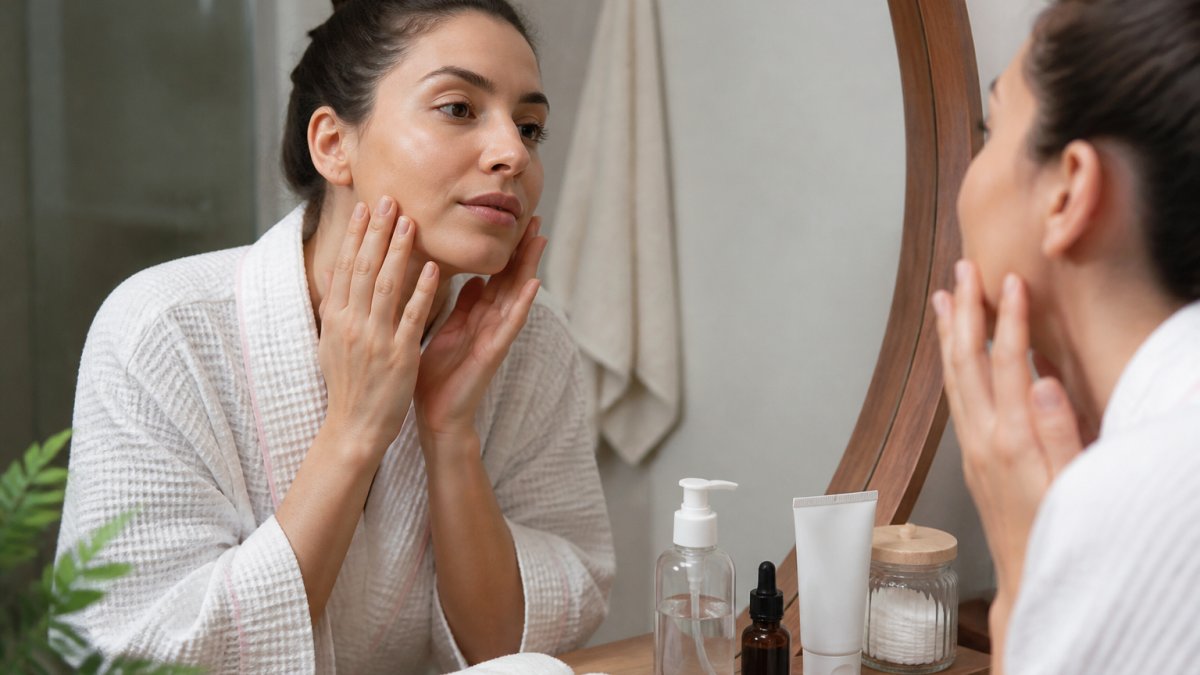
A strong skin care routine in your 40s does three things: it protects, hydrates, and supports collagen. Everything else is optional.
According to the American Academy of Dermatology's skin care guidance, gentle cleansing and daily sun protection form the base of any routine at this age.
Your daily basics:
- A gentle, non-stripping cleanser, morning and night
- A moisturizer with ceramides or hyaluronic acid
- Broad-spectrum sunscreen, SPF 30 or higher, every day (the American Academy of Dermatology)
- A retinoid at night, two to three times a week to start
Then add one active ingredient at a time, giving each a few weeks before the next.
Hydration matters more than most people think. Drink water through the day, and use a humidifier in dry months if skin feels tight.
Active Ingredients and When to Pause Them Before Treatment
Active ingredients drive results but raise sensitivity. Pausing them before a procedure lowers your risk of irritation and uneven healing.
Common actives and what we tell patients:
- Retinoids: pause 3 to 7 days before most treatments
- AHAs and BHAs: pause 3 to 5 days before
- Vitamin C serums: usually fine, but pause 2 days if your skin is sensitive
- Benzoyl peroxide: pause 3 to 5 days before laser or injectable appointments
Your practitioner will give exact timing based on your treatment and skin. Follow their instructions over any general guide, including this one.
Preventative Botox in Your 40s: What to Expect
Preventative Botox in your 40s softens forming lines and slows their deepening over time.
What to expect at your visit:
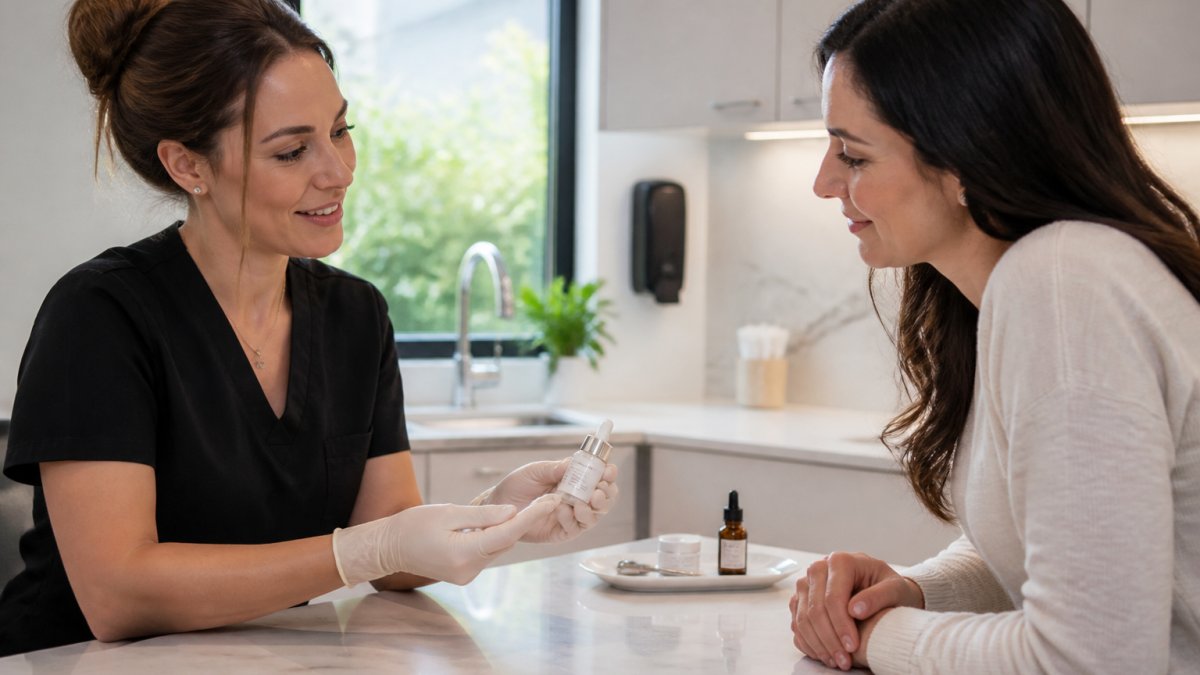
- A consultation to review your goals and medical history
- A mapping of your facial muscles and expression patterns
- A series of small injections, usually done in under 30 minutes
- Results that appear over several days and settle within two weeks
The word "preventative" matters here. You are not erasing deep lines. You are keeping new ones from settling in.
A common worry is looking frozen. The fix is a conservative dose and a practitioner who respects your natural movement.
Results typically last a few months. Many people move to a maintenance schedule after their first year.
Laser Skin Rejuvenation for Mature Skin
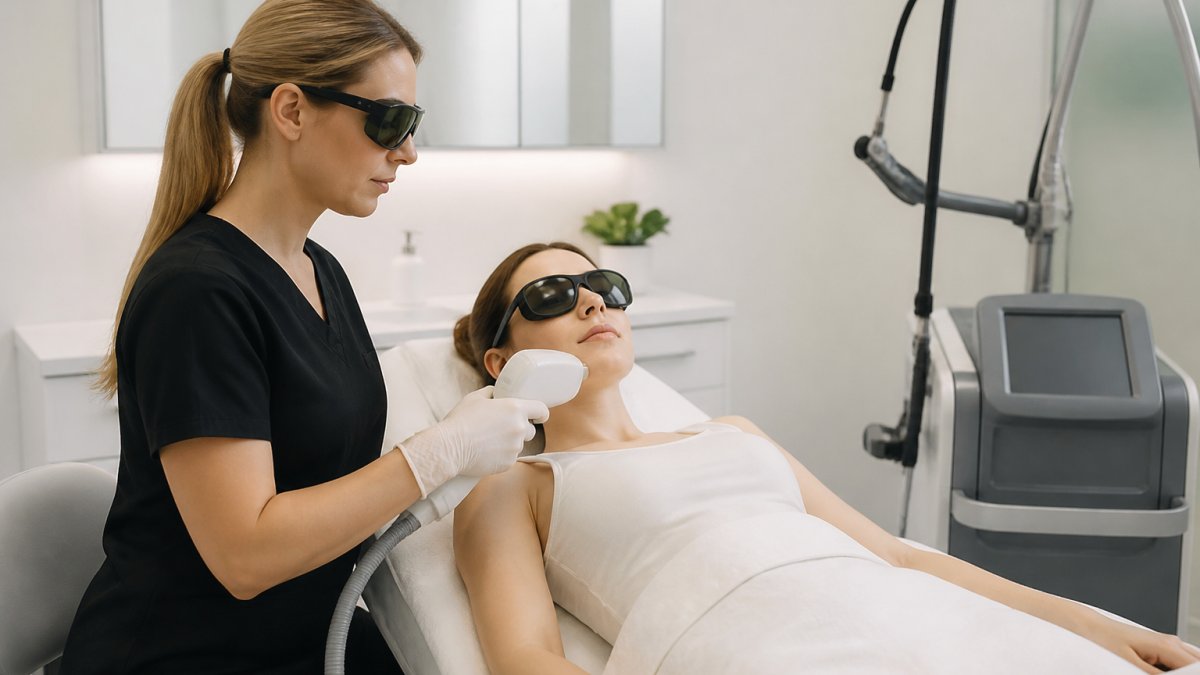
Laser skin rejuvenation for mature skin targets tone, texture, and sun damage creams cannot reach. It is one of the most effective options for skin in its 40s, but "laser" is a broad term, the right choice depends on your concern, downtime tolerance, and skin tone.
At Lumyn Medspa, we use advanced platforms like Candela Nordlys® to treat redness, brown spots, and dull texture, matching settings to your skin tone and concern.
The Main Types of Laser and Light Treatments
- Intense pulsed light (IPL) and broadband light. Best for redness, sun spots, and overall tone. Minimal downtime, most people are a little pink for a few hours.
- Fractional non-ablative lasers. Best for fine lines, texture, and mild scarring. Expect a few days of redness and light flaking.
- Fractional ablative lasers. Best for deeper lines, sun damage, and tightening. Downtime runs about a week or more, with visible peeling and redness.
- Vascular lasers. Best for visible vessels, redness, and broken capillaries.
What Lasers Can Help With
- Sun spots and uneven pigmentation
- Redness and visible vessels
- Fine lines and rough texture
- Overall dullness and tone
- Mild acne scarring and enlarged pores
Who Is a Good Candidate
Most healthy adults in their 40s are candidates, but a few things change the plan. Recent sun exposure or a fresh tan usually means waiting at least two weeks. A history of cold sores near the treatment area calls for an antiviral. Isotretinoin (Accutane) typically requires a waiting period of several months. Pregnancy and breastfeeding are reasons to postpone. And a history of keloids or poor scarring may change which device your provider recommends.
Skin Tone and Pigment Risk
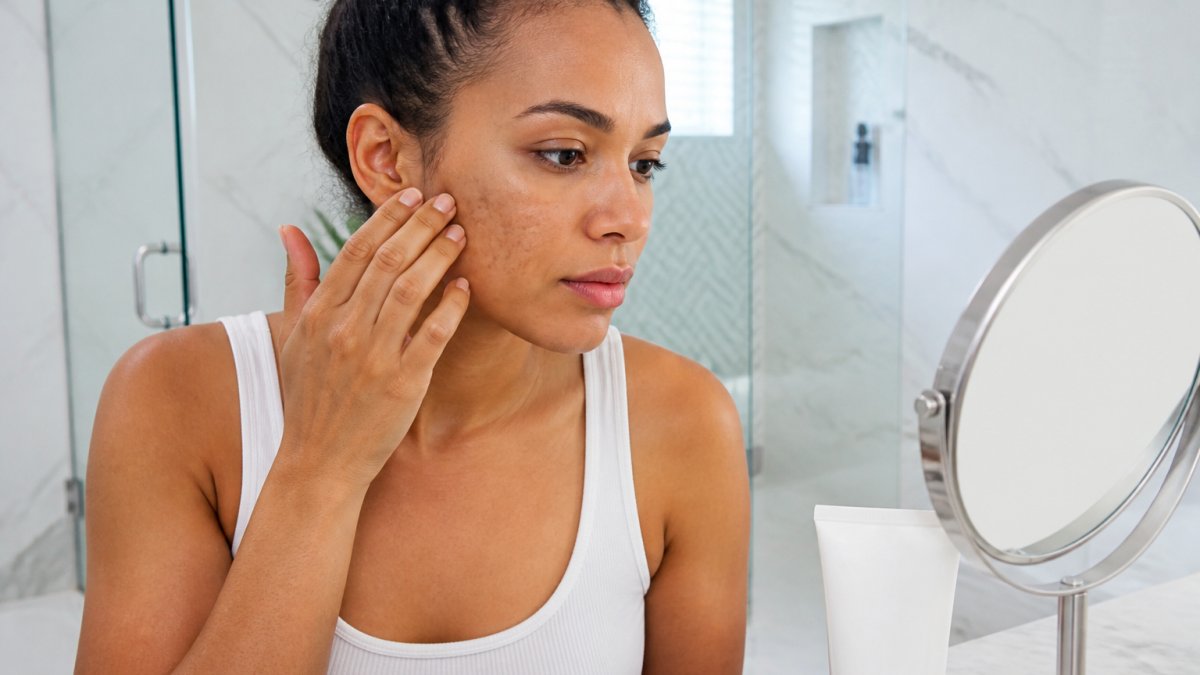
This is where laser care gets personal. People with deeper skin tones carry a higher risk of post-inflammatory hyperpigmentation and, less commonly, hypopigmentation after laser and light treatments. The fix is not to avoid lasers but to choose the right device and settings: Nd:YAG and certain fractional platforms are often safer for darker skin tones than IPL or ablative resurfacing.
Prep and Aftercare
Before treatment, avoid sun and tanning for at least two weeks, stop retinoids and exfoliating acids about a week out, and come in with clean skin. After treatment, your job is simple but strict:
- Gentle cleanser and moisturizer only for the first few days
- Broad-spectrum sunscreen, SPF 30 or higher, reapplied through the day
- No retinoids, acids, scrubs, or waxing until your provider clears them
- No saunas, hot yoga, or intense workouts for a few days if you are red or swollen
- No picking or peeling flaking skin, let it shed on its own
Downtime and Results
Downtime depends on the treatment. Some sessions leave you a little pink for a few hours; others cause redness and mild swelling for a few days, and ablative options can mean a week or more of visible recovery. Results build over weeks as collagen remodels, and most people need a series of sessions rather than one. Book with recovery time in mind and ask your provider what to expect before you commit.
How to Prepare for an Aesthetic Treatment: Step-by-Step
Knowing how to prepare for an aesthetic treatment keeps your skin calm and your results predictable. Most of the work happens in the days before your visit, but the exact steps depend on the treatment, a laser resurfacing session and a Botox appointment do not ask the same things of your skin.

The Prep Timeline at a Glance
| When | What To Do |
|---|---|
| 2-4 weeks before | Book your consultation. Review goals, medical history, allergies, and every medication and supplement you take. |
| 2 weeks before | Pause blood-thinning supplements if your provider approves. Disclose any recent cold sore, infection, or sunburn. |
| 7-10 days before | Stop retinoids and exfoliating acids unless told otherwise. Avoid waxing, threading, and chemical exfoliation on the treatment area. |
| 3-5 days before | Skip alcohol. Stop smoking or nicotine. Increase water intake. |
| 24 hours before | Gentle cleanse only. Skip makeup on treatment day if instructed. Prep your home recovery kit. |
| Day of | Arrive with clean skin, eat a normal meal, arrange a ride if you may be numbed or sedated. |
| 1-7 days after | Gentle skincare, strict sun protection, follow your provider's aftercare exactly. |
Prep by Treatment Type
Injectables (neuromodulators and fillers). The goals are reducing bruising and keeping the treatment area clean.
Laser and light-based treatments. Avoid sun exposure and tanning for at least two weeks before, because tanned skin raises the risk of burns, blisters, and post-inflammatory hyperpigmentation.
Microneedling. Skip retinoids and acids for about three to five days, avoid sun exposure and any active breakouts or cold sores in the treatment area, and come in with clean skin.
What To Disclose Every Time
Tell your provider about every medication and supplement, even ones you think are harmless. Blood thinners, certain antibiotics, and isotretinoin (Accutane) all change the plan, isotretinoin usually means waiting several months before resurfacing or needling. Also disclose:
- A history of cold sores, shingles, or skin infections
- Recent sunburn, windburn, or a fresh tan
- Any active rash, breakout, or open skin in the treatment area
- Pregnancy, breastfeeding, or a plan to become pregnant
- Recent facial procedures, waxing, or threading
Reasons To Postpone
Reschedule if you have an active infection, cold sore outbreak, sunburn, or irritated or broken skin in the treatment area. A recent chemical peel, laser session, or waxing on the same area usually means waiting. If you are sick, feverish, or on a new medication that affects healing or bleeding, call your provider first.
Skin Tone and Sensitivity Matter
Prep is not one-size-fits-all. People with deeper skin tones face a higher risk of post-inflammatory hyperpigmentation after lasers, peels, and microneedling, so providers often choose gentler settings and may add a lightening agent to your pre-treatment routine. If your skin is sensitive or reactive, your provider may shorten or skip certain steps. Tell them how your skin responded to past treatments, that history is the best predictor of how it will respond this time.
Common Mistakes to Avoid in Preventative Aesthetic Care
The biggest mistake is treating prevention as a one-time event. Skin care in your 40s rewards consistency, not occasional splurges.
Other missteps we see often:
- Skipping sunscreen. It undoes more progress than any treatment can add.
- Stacking too many actives at once. Irritation sets in, and you cannot tell what is working.
- Chasing the cheapest option. Provider skill matters more than the price tag.
- Ignoring downtime. Booking a laser session the day before a big event rarely ends well.
- Expecting overnight change. Collagen and tone improve over weeks, not days.
A clear timeline helps. Here is how prep and recovery usually map out:
| Phase | Timing | What To Do |
|---|---|---|
| Consultation | 2-4 weeks before | Review goals, history, and medications |
| Skincare pause | 3-7 days before | Stop retinoids and exfoliating acids |
| Day before | 24 hours before | Skip alcohol, hydrate, prep home care |
| Treatment day | Day of | Cleanse gently, skip makeup, arrange a ride |
| Recovery | 1-7 days after | Gentle skincare, sun protection, follow-up |
Conclusion
Preventative aesthetic care for age 40 works when you start early and stay steady. The right routine, timing, and provider make the difference.
At Lumyn Medspa, we build customized treatment plans around your skin, goals, and schedule.
If you are ready to protect the skin you have, book a consultation with Lumyn Medspa and get a plan built for you.
Frequently Asked Questions
What are the first aesthetic treatments to consider at 40?
Most people start with preventative Botox to soften expression lines, a medical-grade skin care routine with retinoids and antioxidants, and laser skin rejuvenation for early sun damage or texture changes. Your exact plan depends on your skin type, concerns, and goals. A consultation with a qualified practitioner helps match treatments to what your skin actually needs rather than following a generic checklist.
How do I build a preventative skin-care routine in my 40s?
Start with the basics: a gentle cleanser, a moisturizer suited to your skin type, and daily broad-spectrum sunscreen. Add a retinoid at night to support collagen and cell turnover. Antioxidants like vitamin C in the morning help defend against environmental damage. Consistency matters more than the number of products. A qualified practitioner can review your routine and flag ingredients to pause before treatments.
How should I prepare my skin before an aesthetic treatment?
Follow your provider's pre-procedure instructions carefully. This usually includes avoiding alcohol and smoking for several days, pausing blood-thinning medications or supplements if your practitioner advises, keeping skin clean and moisturized, and staying hydrated. Tell your practitioner about your full medical history, allergies, and any recent skin treatments. Arrive with a clean face and avoid makeup on the treatment area unless told otherwise.
How long do results from preventative aesthetic treatments last?
Results vary by treatment. Neuromodulator injections like Botox typically last three to four months. Laser skin rejuvenation results build over weeks as collagen remodels and can last months depending on the device and your skin care maintenance. A consistent home routine and sun protection help extend results. Your practitioner can give you a realistic timeline based on your specific treatment plan.