 how-to
How to Find the Best Laser Clinic Near Me
Table of Contents
- What to Look for in a Laser Clinic
- Understanding Medspa Provider Credentials
- FDA-Cleared Laser Technology Benefits
- Questions to Ask at a Laser Consultation
- How to Research and Compare Clinics
- Safety Verification Checklist
- Scheduling Your First Consultation
- Frequently Asked Questions
Last Updated: September 28, 2026
What to Look for in a Laser Clinic
Finding the right laser clinic takes more than a quick Google search. You need to know what separates a safe, professional facility from one that cuts corners.
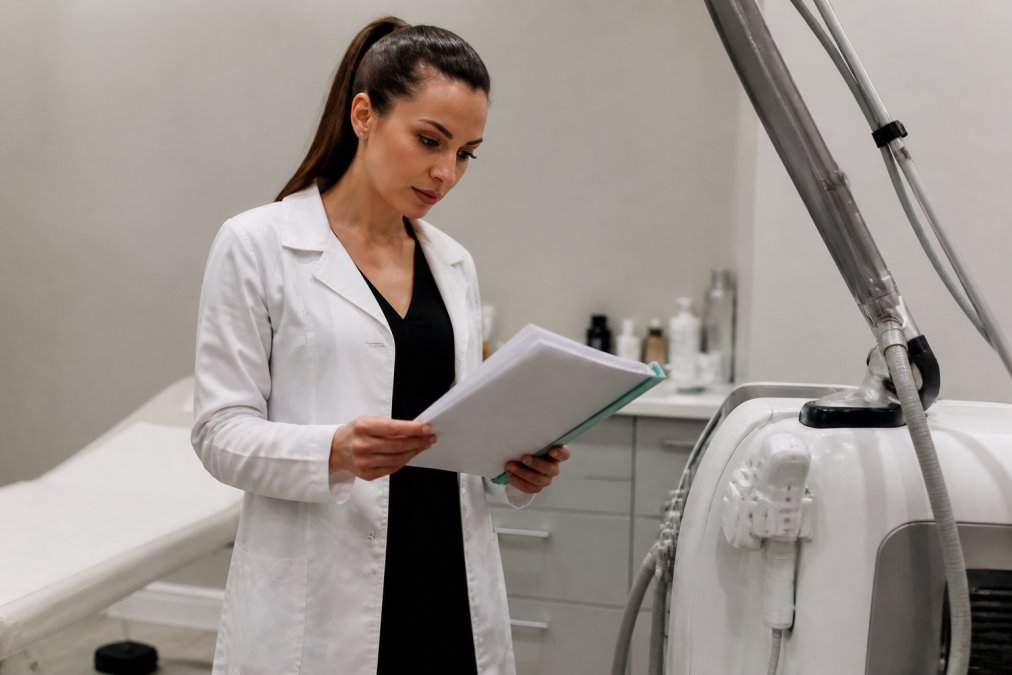
The best laser clinics share three things: proper medical oversight, advanced equipment, and staff who understand your skin. Let's break down what each means and why it matters before you book your first appointment.
Board Certification and Medical Oversight
A board-certified dermatologist or physician should oversee your treatment plan. This person holds credentials from a recognized medical board and has completed specialized training in skin care and laser procedures.
Medical oversight matters because laser treatments affect living tissue. The wrong settings, technique, or approach can cause burns, scars, or permanent pigmentation changes. A physician on staff ensures protocols are safe and treatments are customized to your skin type.
Ask directly: "Is there a board-certified physician overseeing treatments?" If the answer is vague or the clinic avoids the question, keep looking.
Equipment and Technology Standards
Not all laser systems are created equal. FDA-cleared devices like the Candela Nordlys® represent the gold standard for safety and effectiveness across skin types.
When you call a clinic, ask what laser equipment they use. A reputable clinic will name their equipment proudly and explain why they chose it.
Advanced equipment typically means:
- Multiple wavelengths to treat different concerns
- Cooling systems to protect skin during treatment
- Settings adjustable for various skin types
- Regular maintenance and calibration records
Understanding Medspa Provider Credentials
Your provider's qualifications directly affect your safety and results. This is not an area to compromise on.
Verifying Licenses and Certifications
Every laser technician should hold a current license in their state. The specific license type varies, some states require an esthetician license, others require a nursing license for certain procedures.
Start with your state's licensing board website. Search the technician's name and verify:
- License is active (not expired or suspended)
- No disciplinary history
- Scope of practice matches the treatments they perform
Red Flags in Provider Qualifications
Watch out for these warning signs:
- Staff cannot name their credentials or licenses
- Clinic avoids providing proof of licensure
- Provider claims to be "self-taught" or trained only by the equipment manufacturer
- No physician oversight for medical procedures
- Staff performing laser treatments without any medical license
- Clinic located in a non-medical space (shopping mall, salon, unregulated facility)
The cheapest laser clinic is not the safest one. Providers who cut costs often cut corners on training and equipment maintenance.
FDA-Cleared Laser Technology Benefits
The FDA clears medical devices based on safety and effectiveness data (the FDA). An FDA-cleared laser has been tested and proven to work as claimed.
Questions to Ask at a Laser Consultation
Your consultation is your chance to assess whether a clinic is right for you. Come prepared with these questions.
Treatment Planning and Customization
The best clinics don't offer one-size-fits-all plans. A good provider will:
- Examine your skin closely under proper lighting
- Ask about your medical history, medications, and skin sensitivities
- Explain how your specific skin type affects treatment
- Show you before-and-after photos of similar skin types
- Discuss realistic timelines and number of sessions needed
- Adjust settings based on your skin's response
Recovery Expectations and Aftercare
Different lasers produce different recovery timelines. Some require minimal downtime. Others cause temporary redness or swelling that lasts days or weeks.
During your consultation, ask:
- How long will redness or swelling last?
- Can I return to work the next day?
- What skincare products should I avoid during recovery?
- What happens if I get a burn or unexpected reaction?
How to Research and Compare Clinics
You have multiple tools to evaluate clinics before calling. Use them all to build a complete picture of cost, quality, and patient satisfaction.
Reading Reviews and Patient Testimonials
Online reviews give you insight into real patient experiences. Look for patterns in what people say, not just the star rating, but the details.
- Specific treatment results (not just "great experience")
- Staff professionalism and bedside manner
- Cleanliness and clinic environment
- Whether the clinic addressed complications or complaints
- How recent the reviews are (current feedback matters more than old reviews)
Understanding Laser Treatment Pricing Structure
Laser treatment pricing varies widely based on treatment type, area size, equipment, and provider credentials. Understanding the typical cost structure helps you identify fair pricing versus hidden fees.
Typical per-session pricing ranges:
- Hair removal (small area, e.g., underarms or bikini): $100-$300 per session
- Hair removal (large area, e.g., full legs or back): $300-$600 per session
- Facial treatments (acne, rosacea, pigmentation): $150-$400 per session
- Tattoo removal (per session, varies by size and ink): $200-$500+ per session
- Vein or spider vein treatment: $200-$400 per session
Package deals vs. per-session pricing:
- Confirm the clinic's cancellation and refund policy in writing.
- Verify the package price per session is genuinely lower than pay-as-you-go pricing.
- Ask whether unused sessions expire or roll over if you need a break.
- Ensure the package price includes all consultations and aftercare.
Hidden costs to ask about:
- Consultation fees (legitimate clinics often waive these; some charge $50-$150)
- Numbing cream or anesthesia (may be included or cost $25-$75 extra)
- Aftercare products (sunscreen, moisturizer, or specialized serums: $20-$100+)
- Maintenance sessions after the initial series (often discounted but still a cost)
- Cancellation or rescheduling fees (ask the policy upfront)
Evaluating Pricing Transparency
Reputable clinics post pricing on their website or offer free consultations to discuss cost. Avoid clinics that hide pricing or pressure you to commit without a detailed quote.
- Equipment used: Is it FDA-cleared and current (less than 10 years old)?
- Provider credentials: Licensed and certified? Board-certified physician oversight?
- Number of sessions typically needed: Does the clinic estimate realistic timelines for your skin type?
- Warranty or guarantee on results: Will they retreat if results are unsatisfactory?
- Aftercare support included: Are follow-up consultations and product recommendations included, or extra?
- Facility standards: Is the clinic in a regulated medical space with proper sterilization protocols?
Creating a Comparison Spreadsheet
Before calling clinics, create a simple comparison tool:
| Clinic Name | Equipment Type | Provider License | Per-Session Cost | Package Cost | Estimated Sessions | Physician Oversight | Review Rating | Notes |
|---|---|---|---|---|---|---|---|---|
| Clinic A | Nd:YAG + Alexandrite | RN + Esthetician | $250 | $1,350 (6 sessions) | 8-10 | Yes | 4.8/5 | |
| Clinic B | Diode only | Esthetician | $150 | $750 (6 sessions) | 10-12 | No | 4.2/5 |
This visual comparison makes it easier to spot which clinics offer the best combination of credentials, equipment, and pricing for your needs.
Safety Verification Checklist
Before booking, verify these safety essentials:
- Clinic has a board-certified physician overseeing treatments
- All staff performing laser treatments hold current state licenses
- Clinic uses FDA-cleared laser equipment
- Clinic can name the specific laser model and explain why they chose it
- Facility is clean, organized, and in a medical or regulated space
- Clinic provides detailed aftercare instructions in writing
- Staff discusses potential side effects honestly
- Clinic offers a consultation before committing to treatment
- Clinic has a clear protocol if complications occur
- Reviews mention specific positive results, not just general satisfaction
Scheduling Your First Consultation
Once you've narrowed your choices, book a consultation. Most clinics offer these.
During your visit, pay attention to:
- How thorough is the skin evaluation?
- Does the provider listen to your concerns?
- Are you rushed through the process or given time?
- Does the clinic environment feel clean and professional?
- Are staff members friendly and knowledgeable?
Frequently Asked Questions
What qualifications should I look for in a laser technician?
Look for technicians who hold current state licensure as a registered nurse, nurse practitioner, or physician assistant, with specialized training in laser hair removal and skin treatments. Verify they've completed manufacturer-specific training on the laser equipment used at the clinic. Board-certified dermatologists or physicians should oversee treatment plans. Ask about continuing education in laser safety and patient care. Reputable clinics display credentials prominently and can provide verification through state licensing boards.
How do I verify if a laser clinic is reputable?
Check patient reviews on reputable platforms, which provide verified feedback and ratings. Confirm the clinic's medical director is board-certified through the American Board of Medical Specialties. Ask for before-and-after photos of actual patients (with consent). Verify the clinic uses FDA-cleared laser technology and can show you equipment certifications. Call your state's medical board to confirm no complaints or disciplinary actions exist. Reputable clinics encourage consultations where you can meet the team and ask questions about their safety protocols and experience.
What are the red flags to avoid when choosing a laser clinic?
Avoid clinics that won't provide staff credentials, offer treatments at unusually low prices, or rush you through a consultation without a patch test. Be wary if they can't explain the laser technology they use or promise permanent results without discussing maintenance sessions. Red flags include non-medical staff performing advanced treatments, no aftercare instructions, or pressure to buy large package deals upfront. Avoid clinics operating from non-clinical settings or those unwilling to discuss potential side effects and recovery time honestly.
How can I tell if a medspa uses FDA-cleared laser technology?
Ask the clinic directly which laser equipment they use and request to see the FDA clearance documentation. FDA-cleared devices like Candela Nordlys and similar systems are designed specifically for safe, effective hair removal and skin treatments. The clinic should be able to explain why they chose their equipment and how it's maintained and calibrated. Verify the equipment model on the FDA's medical device database if you want additional confirmation. FDA-cleared technology typically comes with clinical evidence supporting its safety and efficacy for your specific skin type and treatment goals.