 comparison
Is a Liquid Facelift Worth the Cost in 2026?
Table of Contents
- What a Liquid Facelift Is and How It Works
- Understanding Liquid Facelift Cost in 2026
- How Long Does a Liquid Facelift Last?
- Liquid Facelift vs Surgical Facelift: Which Delivers Better Value?
- Liquid Facelift Before and After: Realistic Expectations
- The Real Value Proposition: Is It Worth It for You?
- Frequently Asked Questions
Last Updated: October 13, 2026
What a Liquid Facelift Is and How It Works
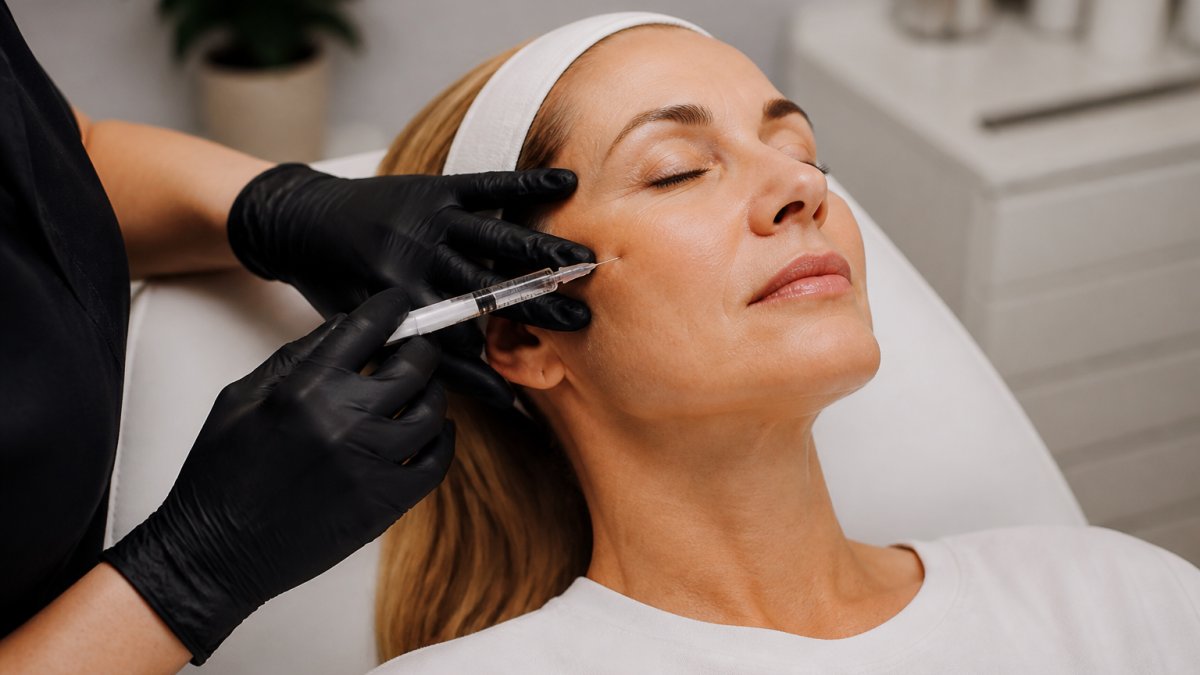
A liquid facelift is a nonsurgical facial rejuvenation treatment that uses injectable dermal fillers and neuromodulators to restore facial volume, smooth wrinkles, and enhance facial contours, but whether a liquid facelift is a liquid facelift worth the cost depends on your specific concerns and long-term budget. Unlike a traditional surgical facelift, which requires incisions and recovery time, a liquid facelift works by strategically placing injectables to address signs of facial aging without going under the knife. At Lumyn Medspa, we've helped countless clients achieve refreshed, radiant skin using advanced injectable treatments tailored to their unique facial anatomy.
The procedure targets common concerns like volume loss in the cheeks, nasolabial folds, marionette lines, and under-eye hollowness. Dermal fillers add volume and lift sagging areas, while neuromodulators like Botulinum toxin relax dynamic wrinkles caused by facial expressions. The combination creates a lifted, naturally contoured appearance that restores youthfulness without the frozen or overdone look some patients fear.
Results appear gradually over the first two weeks as swelling subsides. Most patients see immediate improvement, but the full effect emerges as the skin settles. The treatment typically takes 30 to 45 minutes, making it a true lunchtime procedure for busy professionals.
Understanding Liquid Facelift Cost in 2026
Most articles describe a liquid facelift as "cheaper than surgery" and stop there. That is not a budget.
Per-syringe pricing by product. Dermal filler is priced per syringe (typically 1 mL), and the product you choose drives the base cost.
How many syringes a full-face treatment needs. A single syringe does not lift a face. A common pattern for a comprehensive liquid facelift is:
- Cheeks and midface: 2-4 syringes
- Jawline and chin: 1-3 syringes
- Nasolabial folds and marionette lines: 1-2 syringes
- Under-eye/tear trough: 0.5-1 syringe per side
- Temples: 1-2 syringes
That puts most full-face plans at 4-8 syringes before neuromodulator. A lighter "starter" treatment for someone in their 30s may use 2-3 syringes. The total range you see quoted reflects this spread, it is not a price, it is a spectrum.
Provider and facility fees. Injector type changes the number. Medspa facility fees, consultation fees, and aftercare can add to the cost. Some practices bundle syringes at a discount, which can drop the effective per-syringe price. Always ask whether the quoted price includes the injector's time, the product, and a follow-up visit.
Regional variation. Pricing tracks local cost of living and demand. This is why national averages are a starting point, not a quote.
The annual maintenance number most people miss. Filler lasts 6-18 months and neuromodulator lasts 3-4 months, so a liquid facelift is a subscription, not a purchase. A realistic annual maintenance budget looks like:
- Filler touch-up: 2-4 syringes per year
- Neuromodulator: 3-4 sessions per year
- Total ongoing: to hold results steady
That is the figure that determines whether a liquid facelift is a liquid facelift worth the cost. A liquid facelift with ongoing maintenance is a significant commitment across several years, before any price increases.
How Long Does a Liquid Facelift Last?
The longevity of a liquid facelift depends on several factors, including the specific products used, your metabolism, and the depth of injection. Most dermal fillers last between 6 and 18 months, with hyaluronic acid-based fillers typically lasting 9 to 12 months and longer-lasting formulations extending results to 18 months or beyond (the FDA).
Neuromodulators like Botulinum toxin typically last 3 to 4 months, so if your liquid facelift includes these injectables, you'll need more frequent touch-ups for that component. This staggered timeline means you might schedule filler maintenance every 12 months but botulinum toxin refreshes every 4 months.
Individual variation is significant. Some patients metabolize fillers faster due to high activity levels or natural metabolism, while others enjoy longer-lasting results. Factors like sun exposure, smoking, and overall skin health also influence how long injectables remain effective.
Liquid Facelift vs Surgical Facelift: Which Delivers Better Value?
A surgical facelift provides more dramatic, longer-lasting results but requires anesthesia, incisions, and significant downtime. Recovery typically takes 2 to 3 weeks before returning to normal activities, with full results appearing over 3 to 6 months as swelling completely resolves. A surgical facelift can last 7 to 10 years, making it a one-time investment for many patients.
A liquid facelift offers immediate results with minimal downtime, most people return to work the next day, but requires ongoing maintenance. The upfront cost is lower, making it accessible for patients hesitant about surgery. However, the cumulative cost over 10 years can rival or exceed surgical pricing when maintenance treatments are factored in.
The choice depends on your goals, budget, and tolerance for downtime. If you want dramatic lifting and tightening of skin laxity and mild to moderate sagging, surgery delivers superior results. If you prefer a gradual enhancement with no recovery time and want to test injectables before committing to surgery, a liquid facelift is the better starting point.
| Factor | Liquid Facelift | Surgical Facelift |
|---|---|---|
| Initial Cost | Pricing depends on quantity, dates, and delivery | $8,000-$20,000+ |
| Downtime | 24-48 hours | 2-3 weeks |
| Results Duration | 6-18 months | 7-10 years |
| Maintenance Required | Yes, annual or semi-annual | Rarely needed |
| Procedure Time | 30-45 minutes | 2-4 hours |
| Recovery Complexity | Minimal swelling/bruising | Significant bruising/swelling |
Liquid Facelift Before and After: Realistic Expectations
Results from a liquid facelift are noticeable but natural-looking when performed by an experienced provider. You'll see improved facial contours, softened fine lines and wrinkles, and restored volume in hollowed areas. The cheeks appear lifted, the jawline becomes more defined, and nasolabial folds diminish. Under-eye hollowness improves, creating a more rested appearance.
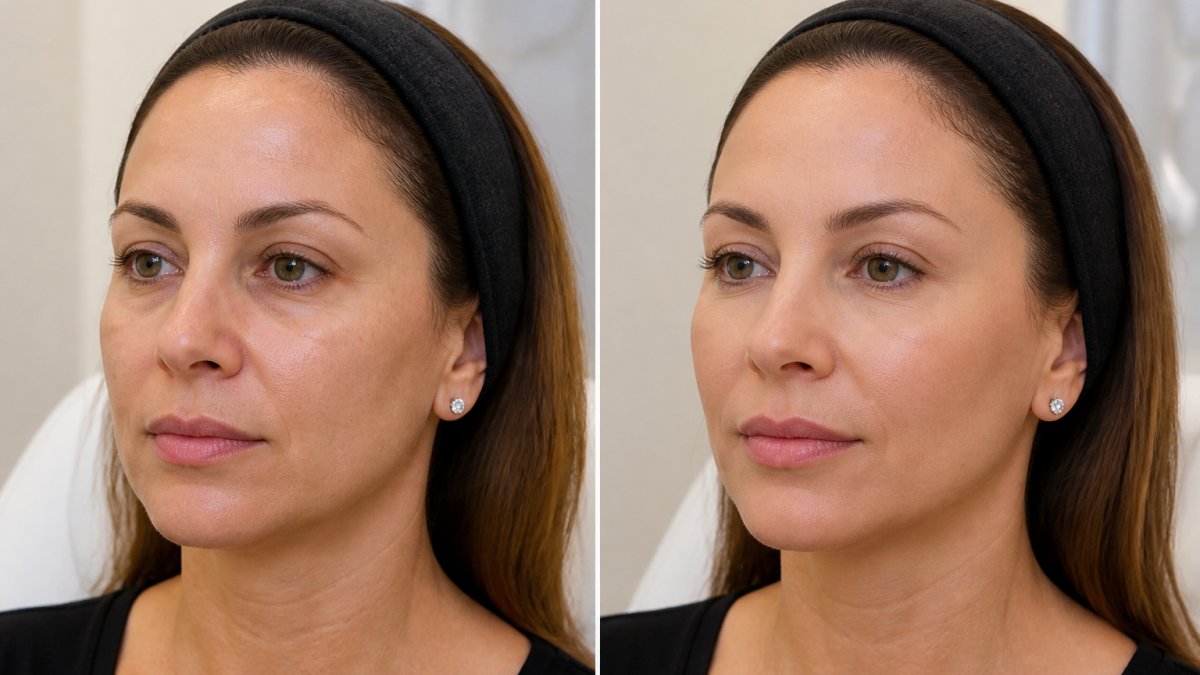
The key to natural-looking results is avoiding overfilled cheeks or an obviously "done" appearance. This is where provider skill matters enormously. An experienced injector understands facial anatomy and knows how to enhance your features rather than transform them. Many patients worry about looking frozen or overdone, but proper technique ensures your expression remains natural while your face looks refreshed.
Expect immediate improvement, but understand that swelling can mask the true result for 1 to 2 weeks. Bruising, if it occurs, typically resolves within a similar timeframe. Some patients see even better results after the initial swelling subsides, as the fillers settle into their final position.
The Real Value Proposition: Is It Worth It for You?
"Worth it" is not a yes-or-no question. It is a match between what injectables can actually do and what your face needs. The fastest way to answer it is a three-question framework that separates the concerns a liquid facelift solves from the ones it cannot.
Question 1: Is your concern volume loss or skin laxity?
These look similar in a mirror but respond to completely different treatments.
- Volume loss shows up as hollow cheeks, flattened midface, sunken temples, under-eye hollows, and thinning lips. This is what dermal filler is built to correct, and it is where a liquid facelift delivers its best value.
- Fine lines and dynamic wrinkles, crow's feet, forehead lines, glabellar lines, respond to neuromodulators. If these are your main concern, a liquid facelift is essentially a well-branded Botox and filler session, and the value is straightforward.
- Skin laxity shows up as loose, sagging skin along the jawline (jowls), neck bands, and drooping brows. Filler adds volume but does not tighten skin. Injecting more filler into a lax face often produces a heavier, "pillow face" look rather than a lift. This is the single most common reason patients feel a liquid facelift was not worth the money.
A quick self-test: gently pull the skin along your jawline outward. If it snaps back and feels firm, you likely have volume loss and are a good injectable candidate.
Question 2: What is your realistic 5- and 10-year cost?
This is where the value math gets honest. Using the maintenance figures from the cost section:
| Timeframe | Liquid Facelift (cumulative) | Surgical Facelift (typical) |
|---|---|---|
| Year 1 | Initial treatment + maintenance | $8,000-$20,000+ upfront |
| 3 years | Cumulative cost over 3 years | $8,000-$20,000 (results still holding) |
| 5 years | Cumulative cost over 5 years | $8,000-$20,000 |
| 10 years | Cumulative cost over 10 years | $8,000-$20,000, plus possible revision |
Two things stand out. First, liquid facelift costs cross surgical costs somewhere between years 2 and 4 for most patients. Second, surgery is not truly "one and done", results last 7-10 years, but most surgeons note that a second procedure or maintenance is common as aging continues.
Question 3: What is your tolerance for maintenance and downtime?
- If you can commit to appointments every 3-12 months and prefer no recovery time, injectables fit your life.
- If you want to make one decision and not think about it for years, and you can take 2-3 weeks off, surgery fits better.
- If you are unsure, a liquid facelift is a reasonable trial: it lets you preview how you feel about a more youthful face before committing to a permanent change.
A note on evidence versus marketing. Published clinical guidance supports hyaluronic acid fillers and botulinum toxin for facial volume and dynamic wrinkles, with well-documented safety profiles when administered by qualified injectors. What is less well-supported is the marketing claim that a liquid facelift "lifts" a significantly sagging face.
The bottom line by profile:
- Good value: 30s to mid-40s, mild volume loss, fine lines, no significant laxity, wants no downtime, comfortable with maintenance.
- Mixed value: 40s to 50s with early jowling, injectables can help but may need to be combined with a tightening treatment.
- Poor value: Significant sagging, neck laxity, or a goal of permanent, dramatic lifting. Surgery or a combination approach will be more cost-effective over time.
At Lumyn Medspa, we believe the value of a liquid facelift lies in its ability to refresh your appearance without surgery, recovery time, or permanent commitment. Our customized treatment plans ensure you invest in results that align with your goals and budget. We combine advanced injectables with personalized care to deliver refreshed, radiant skin that looks authentically like you, just the best version.
Frequently Asked Questions
How much does a liquid facelift cost in 2026?
Liquid facelift cost varies widely based on the number of syringes used, the type of fillers and injectables chosen, and the extent of treatment needed. The actual cost depends on your specific concerns, the provider's expertise, and the products selected. Contact a qualified medspa or aesthetic provider for a personalized quote based on your goals.
How long do liquid facelift results last?
Results typically last 6 to 24 months, depending on the products used. Hyaluronic acid fillers often last 6 to 12 months, while some longer-lasting formulations may extend to 18 to 24 months. Neuromodulators like Botulinum toxin usually last 3 to 4 months. Maintenance treatments are required to sustain results, making longevity an important factor in your total cost calculation.
Is a liquid facelift worth the money compared to a surgical facelift?
A liquid facelift suits those seeking mild to moderate improvement without surgery, downtime, or permanent changes. Surgical facelifts address more severe sagging and skin laxity but involve higher upfront costs, recovery time, and surgical risks. A liquid facelift is worth it if you want gradual, reversible results and prefer to avoid surgery. However, if you have significant sagging or seek longer-lasting results, a surgical option may offer better long-term value.
Can a liquid facelift look natural?
Yes, when performed by an experienced provider using appropriate injection techniques and product amounts. Natural-looking results depend on the provider's skill, your goals, and realistic expectations. Overfilled cheeks or excessive volume can create an unnatural appearance. A thorough consultation where you discuss your aesthetic goals and see before-and-after examples helps ensure results align with your vision of natural improvement.