 how-to
How to Manage Side Effects of Anti-Aging Treatments
Last Updated: November 2, 2026
Quick Summary
Most side effects of anti-aging treatments, such as redness, swelling, bruising, dryness, and tingling, are normal and fade on their own, usually within a few days to two weeks. Follow your provider's aftercare for your specific treatment, protect treated skin from the sun, and seek urgent care for symptoms like difficulty breathing or spreading infection.
- Redness, swelling, and bruising usually peak in the first few days, then improve.
- Laser treatments require sun protection for at least two weeks.
- Tell your provider about blood thinners, allergies, and cold sore history before treatment.
- Introduce retinol gradually to reduce irritation while keeping its benefits.
- Call 911 for difficulty breathing, throat or tongue swelling, or fainting.
Table of Contents
- Common Side Effects of Facial Treatments and What Causes Them
- Anti-Aging Injections Side Effects: Timeline and What to Expect
- Side Effect Guidance by Treatment Type
- How to Reduce Side Effects of Retinol Without Losing Results
- Anti-Aging Treatment Recovery Time: A Day-by-Day Timeline
- Red-Flag Symptoms and When to Seek Urgent Care
- Book Your Post-Treatment Check-In at Lumyn Medspa
- Frequently Asked Questions
Common Side Effects of Facial Treatments and What Causes Them
Side effects are a normal part of most anti-aging treatments, and most of them fade on their own. Knowing what to expect helps you tell a routine reaction from a real problem.
Side effects are the physical reactions your skin or body has after a treatment. They range from mild redness to rare complications that need medical care.
Most reactions come from the treatment itself. Lasers and peels create controlled injury, and the skin responds with inflammation. Injections cause small punctures and pressure, which can lead to swelling or bruising.
- Redness and warmth
- Mild swelling
- Dryness or flaking
- Temporary tingling or sensitivity
- Small bruises at injection sites
These effects are usually expected. They tend to peak within the first few days and then improve.
Anti-Aging Injections Side Effects: Timeline and What to Expect
Injectable side effects follow a fairly predictable pattern. Timing varies by treatment and by person. Knowing this timeline helps you plan your schedule around any downtime.
Redness, Swelling, and Bruising After Injections
Redness and swelling are the most common reactions after injections. They usually appear right away and fade over a few days.
Bruising happens when a tiny blood vessel is nicked during treatment. Learn how to manage skin sensitivity and redness after a peel if your skin reacts in similar ways. Ask your provider about medications to avoid before treatment, since some can increase bruising.
Tingling, Numbness, and Headache
Some people feel tingling or mild numbness in the treated area. This usually fades within a few hours to a few days.
Headaches can also follow injections. Check with your provider before taking any medication for a headache.
Side Effect Guidance by Treatment Type
Each treatment carries its own pattern of side effects, and the aftercare that helps one can actively hurt another. Matching your expectations, and your recovery routine, to the treatment you actually had is the simplest way to avoid making a mild reaction worse.
- Injectables (neuromodulators and fillers): Small punctures and pressure can cause swelling, bruising, and tenderness at injection sites. Follow the specific aftercare instructions your provider gives you for these treatments.
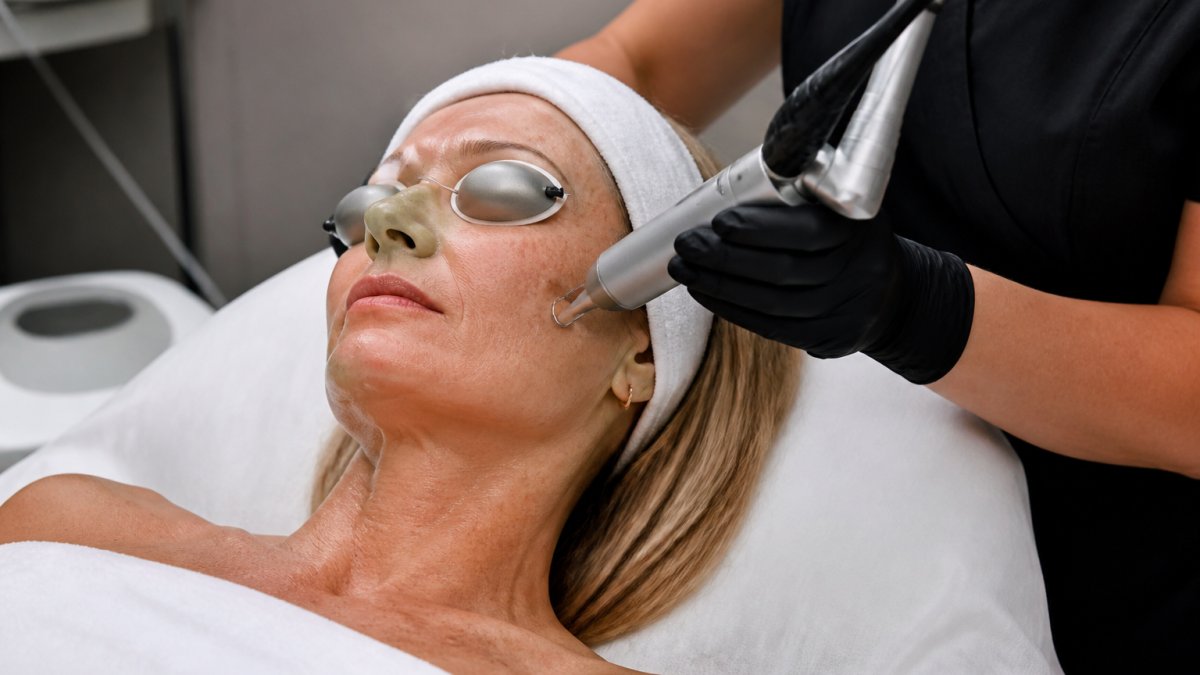
- Laser treatments (resurfacing and IPL): Controlled injury produces a sunburn-like feeling, redness, and warmth that peak within the first day or two. Cool compresses and a bland, fragrance-free moisturizer help. Sun protection is non-negotiable for at least two weeks, because treated skin is more photosensitive. Do not pick at any flaking or crusting.
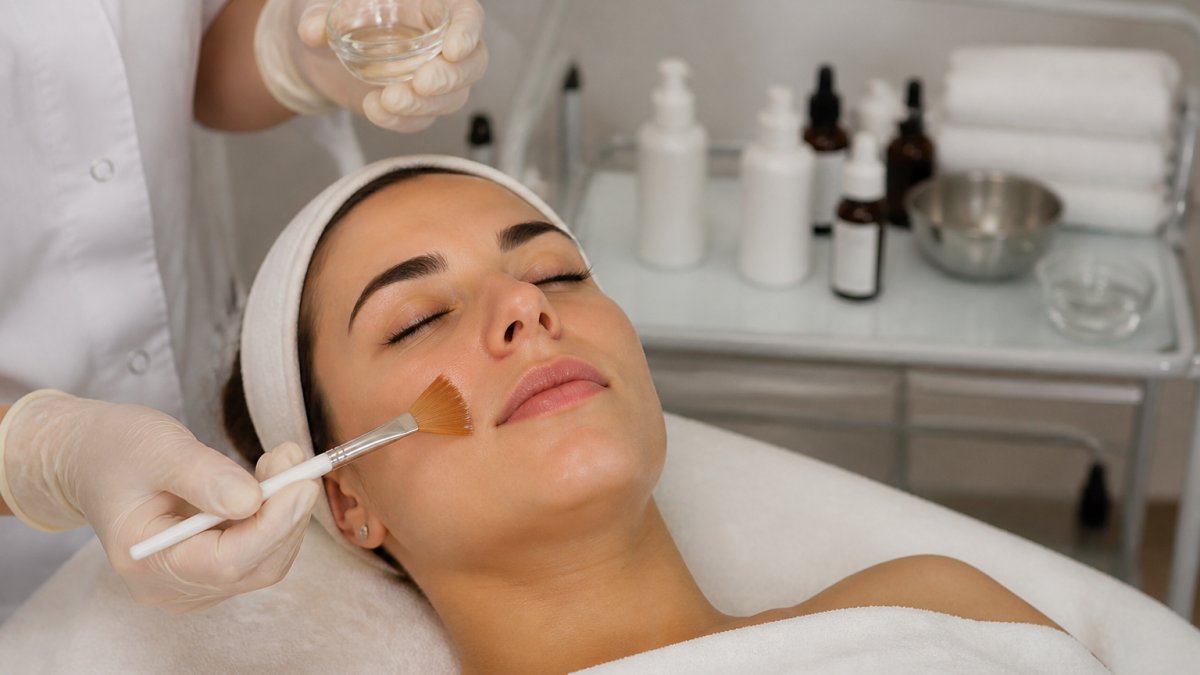
- Chemical peels: Peels can cause tightness, dryness, and peeling. Follow the specific aftercare instructions your provider gives you.
- Topical retinoids and anti-aging serums: Dryness, flaking, and irritation can occur as skin adjusts. Follow the directions for your product and your provider's guidance.
Screening before treatment matters as much as aftercare. Tell your provider about blood thinners and daily aspirin or ibuprofen, which increase bruising; about allergies, especially to lidocaine or filler components; about a history of cold sores, which peels and lasers can reactivate; and about recent procedures or isotretinoin use, which affects healing and peel eligibility. A common pattern is for readers to apply injectable aftercare to a laser or peel, and that is where avoidable irritation starts.
Ask your provider which aftercare applies to your plan.
How to Reduce Side Effects of Retinol Without Losing Results
Retinol works well for fine lines, but it often causes irritation at first. You can keep the benefits and cut down on discomfort with a slower approach.
Ask your provider or pharmacist about how to introduce retinol gradually and which products suit your skin.
Check with your provider before combining retinol with other active ingredients.
Anti-Aging Treatment Recovery Time: A Day-by-Day Timeline
Recovery varies by treatment, but a general timeline helps set expectations. See what your first chemical peel recovery looks like day by day.
- Day 0: Redness and swelling appear. Apply cold compresses as directed.
- Days 1-3: Swelling and bruising peak. Keep your head elevated and avoid touching the area. Find hydrating serums suited to post-procedure skin to support your recovery.
- Days 4-7: Most visible reactions fade. Light makeup is usually fine once your provider approves it.
- Days 8-14: Remaining bruising and dryness settle. Most people return to normal routines.
Follow your provider's recovery instructions for your specific treatment.
A medical-grade facial follows its own schedule. Our guide on recovery time for medical grade facials covers the day-by-day details.
The recovery schedule below shows the general day-by-day pattern most people follow after an anti-aging treatment.
| Day | What to expect | What to do |
|---|---|---|
| Day 0 | Redness and swelling appear | Apply cold compresses as directed |
| Days 1-3 | Swelling and bruising peak | Keep head elevated and avoid touching the area |
| Days 4-7 | Most visible reactions fade | Light makeup usually fine once provider approves |
| Days 8-14 | Remaining bruising and dryness settle | Most people return to normal routines |
Red-Flag Symptoms and When to Seek Urgent Care
Most side effects are harmless and fade on their own. A small number are not, and the difference usually comes down to timing and progression. The response plan below is organized by symptom so you know what to stop, what not to apply, and whom to contact.
Call 911 or go to an emergency room for difficulty breathing, throat or tongue swelling, hives spreading across the body, chest pain, or fainting. These can signal a severe allergic reaction and are not something to monitor at home.
Contact your provider the same day for:
- Spreading redness, warmth, or pus, or a fever, possible infection. Do not apply antibiotic ointment or cover the area until your provider advises; keep it clean and dry.
- Severe pain that worsens instead of improving, stop all actives (retinoids, acids, exfoliants) and skip heat, exercise, and massage until you are assessed.
- Vision changes, drooping eyelids, or difficulty swallowing after an injection, stop touching the area and seek prompt evaluation; these are uncommon but warrant urgent review.
- Blisters, open sores, or skin that turns dark or grey after a peel or laser, do not pick, peel, or apply anything beyond a bland moisturizer, and request a same-day review.
- A cold sore outbreak after a peel or laser, contact your provider promptly, since antiviral treatment works best when started early.
What to stop while you wait: pause all retinoids, exfoliating acids, scrubs, and at-home devices; avoid heat, saunas, hot tubs, and strenuous exercise; do not massage, rub, or apply ice directly to treated skin; and do not start a new product to "fix" the reaction.
What to have ready when you call: the treatment name and date, the provider or clinic, any medications you take (especially blood thinners), and a photo of the area taken in consistent light. This speeds up triage and helps your provider judge whether the reaction is progressing.
Describe your symptoms clearly and mention the treatment and date. This speeds up care.
Book Your Post-Treatment Check-In at Lumyn Medspa
Recovery goes more smoothly when a provider reviews your skin during the first few weeks. A check-in lets the team catch problems early and adjust your aftercare.
Lumyn Medspa offers a range of aesthetic services, including injectables and laser skin rejuvenation. Talk with the team about the right follow-up for your treatment. You can also see the OBAGI ChIQ™ treatment options to learn more about the product line.
Book your check-in today and get personalized guidance for your recovery.
Frequently Asked Questions
Do anti-aging injections have side effects?
Yes. Most side effects of anti-aging injections, such as redness, mild swelling, small bruises, and tenderness at the injection site, are temporary and usually fade within a few days. Less common effects include headache, tingling, or temporary asymmetry while the product settles. Serious complications are rare but can occur, so report any unusual or worsening symptoms to your provider promptly. Choosing a licensed, qualified injector and following aftercare instructions lowers the chance of problems. Discuss your medical history and medications during a consultation so your provider can plan treatment safely.
How long do side effects from anti-aging treatments last?
Most mild side effects from anti-aging treatments resolve on their own within a few days to about two weeks, depending on the treatment type and your skin's healing response. The duration of redness and swelling varies by treatment and by person. Side effects that persist beyond the expected timeframe, or that worsen over time, should be evaluated by your provider. Keep notes on symptoms and their timing so you can give your provider accurate information at a follow-up visit.
When should you contact a provider about a treatment side effect?
Contact your provider right away if you notice severe pain, spreading redness or warmth, fever, pus or drainage, vision changes, difficulty breathing, facial drooping or weakness, or swelling that is rapidly increasing. These can signal infection, allergic reaction, or other complications that need prompt attention. For persistent but mild symptoms, such as lingering bruising or tenderness, schedule a follow-up so your provider can assess your progress. If you cannot reach your provider and symptoms feel serious, seek emergency care immediately.
How can you care for your skin after an anti-aging treatment?
Keep the treated area clean and avoid rubbing, massaging, or pressing on it unless your provider advises otherwise. Follow your provider's aftercare instructions for your specific treatment. Follow the specific aftercare instructions for your treatment, and contact your provider if irritation, dryness, or discomfort does not improve.