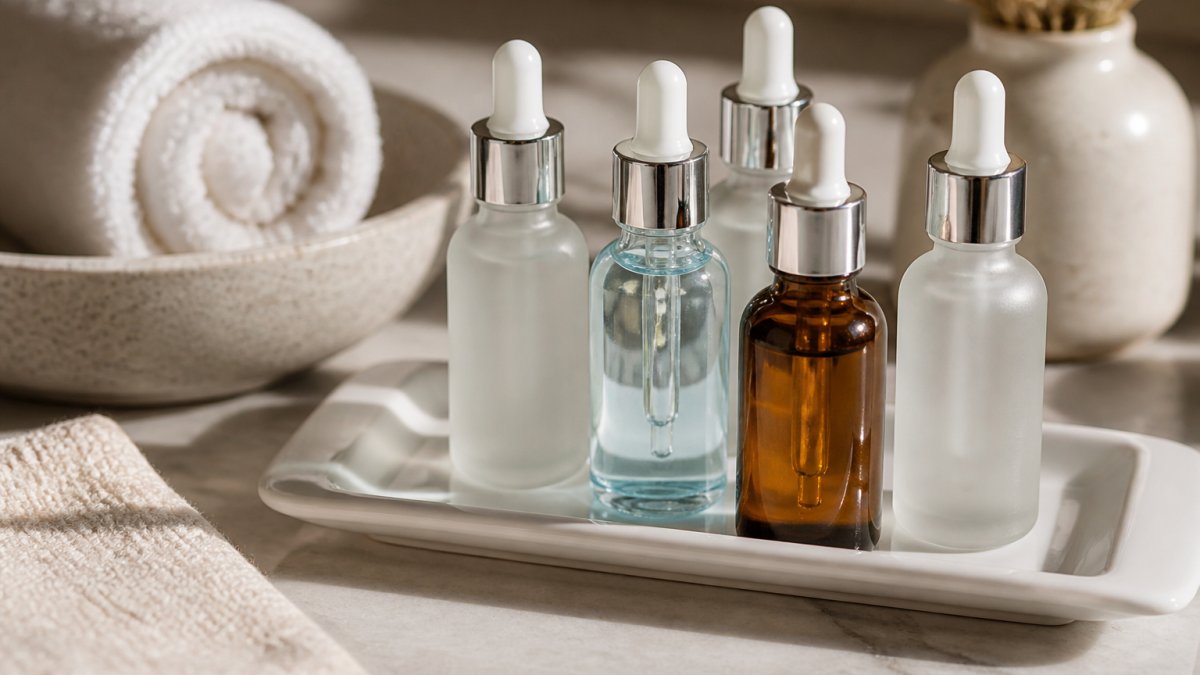
 listicle
7 Best Hydrating Serums for Post-Procedure Skin Recovery
Table of Contents
- Why Post-Procedure Skin Needs a Hydrating Serum
- Quick Comparison: 7 Best Hydrating Serums for Post-Procedure Recovery
- 1. Epicutis Lipid Serum: Best for Barrier Repair After Laser and Peels
- 2. SkinCeuticals HA Intensifier: Best for Deep Hydration and Plumping
- 3. Vichy Minéral 89 Daily Booster: Best Budget-Friendly Sensitive Skin Option
- 4. Good Molecules Hyaluronic Acid Serum: Best Under $10
- 5. Face Reality HydraRemedy Gel Serum: Best for Acne-Prone Skin Post-Treatment
- 6. L'Oréal Paris Revitalift 1.5% Pure Hyaluronic Acid Serum: Best for Daily Anti-Aging Maintenance
- 7. Estée Lauder Advanced Night Repair: Best for Overall Recovery and Anti-Aging
- How to Choose a Serum for Post-Procedure Skin
- Layering Protocols and Ingredient Contraindications
- Clinical Recovery Timeline: What to Expect Week by Week
- Frequently Asked Questions
Last Updated: October 3, 2026
Why Post-Procedure Skin Needs a Hydrating Serum
Your skin barrier is compromised the moment a laser, peel, or microneedling session ends. That disruption is the point: controlled injury triggers collagen remodeling and cellular turnover. The trade-off is temporary vulnerability, and hydration is what carries your skin through it.
Patients often experience tightness, flaking, and sensitivity a few days after laser rejuvenation and microneedling appointments. That window is when a hydrating serum matters most. The right formula supports skin barrier repair and reduces transepidermal water loss while your complexion rebuilds itself.
This guide covers the 7 best hydrating serums for post-procedure skin recovery, ranked by ingredient quality, tolerability, and how well each one performs during the actual healing timeline.
The role of hydration in skin barrier repair
Hydration is not a cosmetic afterthought after professional treatments; it is the mechanism behind comfortable recovery. The skin barrier is a lipid matrix of ceramides, cholesterol, and fatty acids that locks in moisture (pubmed.ncbi.nlm.nih.gov). Procedures temporarily disrupt that matrix, which accelerates water loss and leaves nerve endings more exposed.
Humectants like hyaluronic acid pull water into the upper layers. Occlusives and soothing agents like panthenol and ceramides seal it there while inflammation reduction takes place. Skip this step and recovery drags, flaking worsens, and your results look duller than they should.
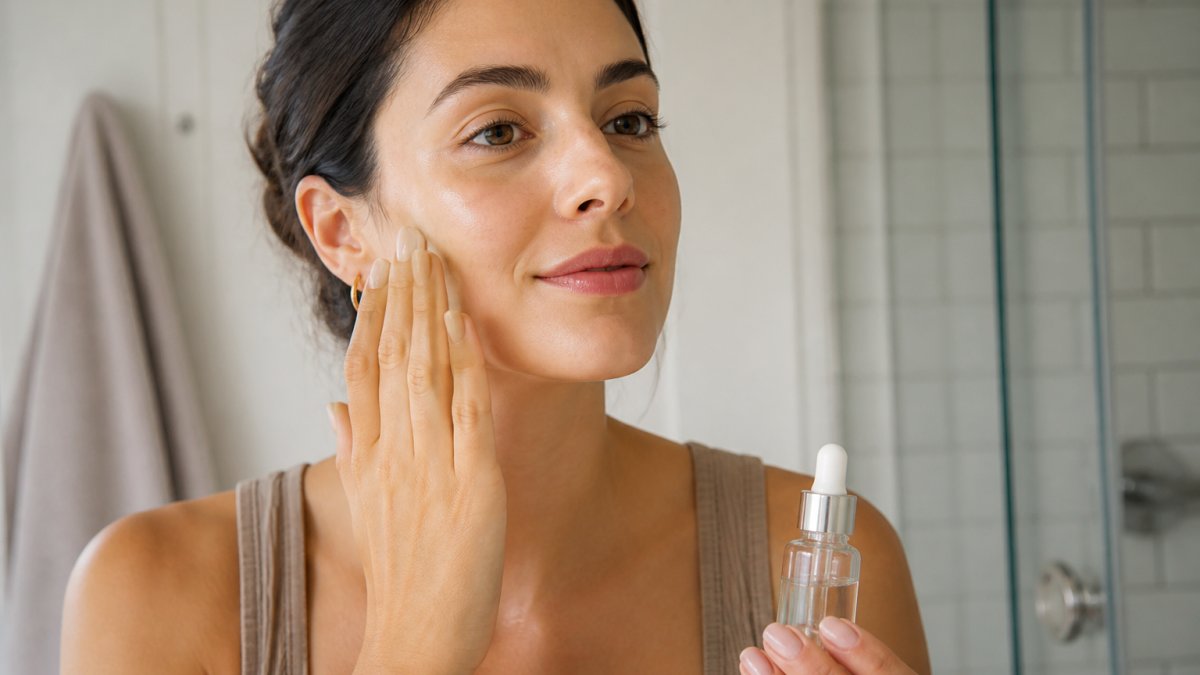
Quick Comparison: 7 Best Hydrating Serums for Post-Procedure Recovery
Here is how the seven options stack up at a glance. Prices reflect standard retail where available.
| Serum | Starting Price | Key Ingredients | Best For |
|---|---|---|---|
| Epicutis Lipid Serum | $180 | TSC technology, minimalist formula | Barrier repair after laser and peels |
| SkinCeuticals HA Intensifier | $120 | 1.3% hyaluronic acid, 10% Proxylane | Deep hydration and plumping |
| Vichy Minéral 89 | $30 | Volcanic water, hyaluronic acid | Sensitive skin on a budget |
| Good Molecules HA Serum | $6 | Multi-weight hyaluronic acid | Basic, affordable hydration |
| Face Reality HydraRemedy | $34 | Soothing botanicals, gel base | Acne-prone skin post-treatment |
| L'Oréal Revitalift 1.5% HA | $33 | 1.5% pure hyaluronic acid | Daily anti-aging maintenance |
| Estée Lauder Advanced Night Repair | $85 | Chronolux Power Signal Technology | Overall recovery and anti-aging |
1. Epicutis Lipid Serum: Best for Barrier Repair After Laser and Peels
If you had a fractional laser or a medium-depth peel, Epicutis built the Lipid Serum specifically for post-procedure sensitivity, with a minimalist ingredient list designed to avoid triggering already-irritated skin.
The formula centers on patented TSC technology, which targets inflammation reduction, plus lipids that reinforce the barrier while it rebuilds. Fewer ingredients means fewer chances for a reaction during the most fragile days of recovery.
The drawback is the price. At $180, it costs more than every other option here, and it is not a serum you will want to use casually forever. For the first one to two weeks after a procedure, though, that trade-off is usually worth it.
2. SkinCeuticals HA Intensifier: Best for Deep Hydration and Plumping
SkinCeuticals earns its dermatologist-recommended reputation here. The HA Intensifier combines 1.3% pure hyaluronic acid with 10% Proxylane to support skin structure, plus purple rice extract for antioxidant support.
Where it shines is moisture retention and skin plumping. If fine lines look more pronounced after your treatment because your skin is dehydrated, this serum restores that cushioning effect quickly. The texture is lightweight and layers well under a moisturizer.
The honest limitation: at $120, the cost per fluid ounce is steep, and the formula is not as stripped-down as Epicutis for truly compromised skin. Once your barrier has stabilized, it becomes an excellent daily serum.
3. Vichy Minéral 89 Daily Booster: Best Budget-Friendly Sensitive Skin Option
Vichy takes the opposite approach from the clinical-grade options: fewer actives, gentler delivery, accessible price. The Minéral 89 Daily Booster is 89% Vichy volcanic water with pure hyaluronic acid, and it is fragrance-free and paraben-free.
For skin sensitivity after microneedling or a light peel, this is a sensible entry point. It will not deliver the deep dermal repair of a $180 serum, but it hydrates without provoking a reaction, and at $30 it is easy to repurchase.
What most guides miss is that this serum works best as a layering step, not a standalone. Pair it with a ceramide-rich moisturizer to lock in the hydration boost.
4. Good Molecules Hyaluronic Acid Serum: Best Under $10
Good Molecules proves that hydration does not require a luxury budget. This serum uses multiple weights of hyaluronic acid to draw moisture into different layers of the skin, with a fast-absorbing, non-greasy finish. It is vegan and cruelty-free.
At $6, it is the cheapest option on this list by a wide margin. The formula is basic, though. It lacks the specialized soothing agents and barrier lipids that compromised skin needs in the first days after a procedure, so we would not make it your primary recovery serum.
Use it as a maintenance hydrator once your skin has calmed down, or as a budget-friendly layer underneath a heavier moisturizer.
5. Face Reality HydraRemedy Gel Serum: Best for Acne-Prone Skin Post-Treatment
Acne-prone patients face a specific problem after treatments: heavy creams and occlusive balms can trigger breakouts even while the skin needs moisture. Face Reality solves that with a lightweight gel serum built for compromised, breakout-prone skin.
The HydraRemedy Gel Serum uses soothing botanical extracts in a non-comedogenic base, so it hydrates without clogging pores. At $34, it sits in the middle of the price range. For anyone managing acne scarring treatments or post-peel breakouts, this is the safest texture on the list.
The catch is availability. Face Reality sells largely through professional channels, so you may need to purchase it through a treating provider rather than a big-box retailer. (Source: the growing popularity of minimally invasive cosmetic procedures)
6. L'Oréal Paris Revitalift 1.5% Pure Hyaluronic Acid Serum: Best for Daily Anti-Aging Maintenance
L'Oréal delivers the highest hyaluronic acid concentration on this list at 1.5%, and it is fragrance-free and dye-free. For daily anti-aging maintenance once recovery is complete, it holds its own against serums costing three times as much.
Here is the caveat that matters after a procedure: this formula contains alcohol denat, which can sting very compromised skin. We would not recommend it during the first week of post-laser care. Wait until redness and sensitivity have settled, then use it as your everyday hydration serum.
At $33 and widely available at retailers, it is the easiest option to restock without a special order.
7. Estée Lauder Advanced Night Repair: Best for Overall Recovery and Anti-Aging
Estée Lauder's Advanced Night Repair is the most established name on this list, and it earns its place through breadth rather than post-procedure specialization. Its Chronolux Power Signal Technology supports the skin's natural nighttime repair processes, and the formula is oil-free and dermatologist-tested.
For overall anti-aging and dermal repair once the acute healing phase ends, it is a strong all-rounder. It suits all skin types and layers comfortably under moisturizer.
The one drawback: it contains fragrance, which some sensitive users prefer to avoid during recovery. If your skin reacts to fragrance, choose Epicutis or Vichy instead. At $85, it is a mid-to-premium investment best suited to ongoing maintenance rather than the first 72 hours after treatment.
How to Choose a Serum for Post-Procedure Skin
Match the serum to your healing phase, not to marketing claims. In the first 72 hours, prioritize minimalist, fragrance-free formulas with soothing agents and ceramides. From day four onward, you can introduce humectant-forward serums with hyaluronic acid. After two weeks, most patients can return to their regular anti-aging routine.
Check three things on any label before you buy:
- Ingredient count: Fewer is better during acute recovery
- Fragrance and alcohol: Avoid both while the barrier is open
- Texture: Gel or lightweight lotion for acne-prone skin; richer lipids for dry, compromised skin
The common mistake is buying one serum and expecting it to cover every phase. Recovery is a timeline, and your product should change as your skin does.
Layering Protocols and Ingredient Contraindications
Order matters more than most people realize. Apply thinnest to thickest: hydrating serum first on damp skin, then a moisturizer with ceramides, then sunscreen in the morning. Applying an occlusive balm before your serum blocks absorption entirely.
Equally important is what to leave out. Avoid these until your provider clears you:
- Retinoids and retinol
- AHAs and BHAs (glycolic, salicylic, lactic)
- Vitamin C in high concentrations
- Physical scrubs and exfoliating brushes
- Any product with added fragrance or essential oils
If you are unsure whether an active is safe, ask before you apply it. Restarting too soon can undo weeks of healing.
Clinical Recovery Timeline: What to Expect Week by Week
Recovery follows a predictable arc for most patients, though it varies with treatment intensity and individual skin sensitivity. Knowing the timeline helps you pick the right serum at the right moment.
| Phase | Timeframe | What's Happening | Serum Focus |
|---|---|---|---|
| Acute | Days 1-3 | Redness, heat, tightness | Minimalist, fragrance-free, soothing |
| Transition | Days 4-7 | Flaking, itching begins | Humectant hydration, ceramides |
| Rebuilding | Weeks 2-3 | Barrier re-forming | Hyaluronic acid, barrier lipids |
| Maintenance | Week 4+ | Barrier restored | Anti-aging actives can resume |
When to resume active ingredients after chemical peels depends on depth. Superficial peels often allow a return to actives within a week; deeper peels can take two to three weeks. Your treating provider should give you a specific date rather than a general rule.
Frequently Asked Questions
What ingredients should I look for in a post-procedure hydrating serum?
Look for humectants like hyaluronic acid and glycerin to draw moisture into the skin. Ceramides and panthenol support skin barrier repair. Soothing agents such as botanical extracts help calm inflammation. For post-procedure recovery, choose serums that are fragrance-free, non-comedogenic, and hypoallergenic. Epicutis Lipid Serum, for example, contains patented TSC technology specifically for inflammation reduction after aesthetic procedures.
Can I use hyaluronic acid immediately after laser skin rejuvenation?
Many dermatologists and estheticians recommend hyaluronic acid immediately after laser treatment because it is a gentle humectant that supports moisture retention without irritating compromised skin. However, always follow your provider's specific aftercare instructions. A fragrance-free formula like Vichy Minéral 89 or SkinCeuticals HA Intensifier is generally well tolerated. Avoid serums containing alcohol denat or strong actives until your skin has healed.
Which ingredients should be avoided in post-procedure skincare?
Avoid retinoids, alpha hydroxy acids (AHAs), beta hydroxy acids (BHAs), vitamin C in high concentrations, and alcohol denat immediately after professional treatments. These active ingredients can disrupt the skin barrier and increase sensitivity during recovery. Fragrance and essential oils may also cause irritation. Wait until your provider confirms your skin barrier has recovered before reintroducing these ingredients, typically one to two weeks after chemical peels or laser treatments.
How long should I wait before applying serum after a chemical peel or microneedling?
Most providers recommend applying a gentle hydrating serum within the first 24 hours after microneedling or a light chemical peel, once the initial redness subsides. For deeper peels, wait until your provider gives the go-ahead, which may be 48 to 72 hours. Always use clean hands or a sterile applicator. Start with a minimalist, fragrance-free formula and patch-test on a small area first.
What are the signs of a compromised skin barrier after an aesthetic procedure?
Signs include persistent redness, stinging, tightness, flaking, increased sensitivity to water or mild products, and a rough or uneven texture. Transepidermal water loss increases when the barrier is compromised, leading to dehydrated skin. If you notice these signs, switch to a gentle, ceramide-rich or panthenol-containing serum and avoid all active ingredients until the barrier recovers. Consult your provider if symptoms worsen or persist beyond a few days.