 how-to
How to Maintain Body Contouring Results Long Term
Last Updated: November 4, 2026
Quick Summary
To maintain body contouring results long term, keep your weight in a stable range through strength training, protein at every meal, and regular weigh-ins, since remaining fat cells can expand with weight gain. Follow your provider's aftercare instructions, attend maintenance sessions, and protect skin elasticity.
- Treated fat cells do not grow back, but the cells left behind can expand with weight gain.
- Drink more water and skip alcohol in the first 48 hours after treatment.
- Schedule your first maintenance visit before you finish the initial series.
- Strength training two to three times weekly preserves muscle tone and resting calorie burn.
- Weigh yourself three to four times weekly to catch drift before it becomes visible.
Table of Contents
- Why Body Contouring Results Need Active Maintenance
- How Long Does Body Contouring Last Without Surgery?
- Body Contouring Aftercare: The First Weeks That Protect Your Results
- How Often Should You Get Body Contouring?
- Does Body Sculpting Work for Belly Fat?
- Daily Habits That Keep Fat Cells From Expanding
- Troubleshooting Weight Gain and Hormonal Shifts After Treatment
- Protecting Skin Elasticity and Your Body Image Along the Way
- Frequently Asked Questions
Why Body Contouring Results Need Active Maintenance
Body contouring is a set of non-surgical treatments that reduce stubborn fat or build muscle tone, and it works by changing how fat cells behave in treated areas.
Here is the part most guides skip. Treated fat cells do not grow back. The cells that remain can still expand, though, and that is what erases results over time. So maintenance is not about willpower.
Below, we break down the timeline, the habits, and the troubleshooting steps that keep results stable.
How Long Does Body Contouring Last Without Surgery?
Results can last for months to years when weight stays steady, though duration varies from person to person.
The biology explains why. Fat cells that are destroyed or reduced do not regenerate in adults, according to NIH research on adipose tissue.
A common mistake is judging results too early. Swelling hides progress for weeks. For a full picture of what to expect and when, see our non-surgical fat reduction results timeline.
Body Contouring Aftercare: The First Weeks That Protect Your Results
Aftercare in the first weeks is an important part of supporting your long-term outcome. Your body is clearing fat and rebuilding tissue, and your choices either help or slow that process.
Your provider's written instructions come first. Follow them exactly, and call the office with any question rather than guessing.
What to Do in the First 48 Hours
- Drink more water than usual to support fat clearance
- Skip alcohol, which slows the process
- Walk gently to keep circulation moving
- Avoid heat, saunas, and hot baths on treated areas
- Keep the area clean and moisturized per your provider's guidance
- Watch for unusual pain, spreading redness, or fever, and call the office if any appear
Weeks 1 Through 6: Supporting Fat Clearance
Keep walking daily and stay hydrated. Ask your provider whether light massage is appropriate for your treatment, and hold off on intense workouts on treated areas until you are cleared.
A common mistake is jumping back into heavy training too soon. It does not speed results, and it can increase swelling. If you want the full preparation and recovery checklist, read our guide on how to prepare for body sculpting treatments.
How Often Should You Get Body Contouring?
Treatment plans often use a series of sessions spaced apart, with maintenance sessions afterward; your provider will recommend a schedule suited to your treatment.
The maintenance schedule is where people drift. They finish the series, love the result, and never book again. Then a year of small weight changes adds up, and the contour softens.
Consider scheduling your first maintenance visit before you finish the initial series. Put it on the calendar while the result is fresh.
Does Body Sculpting Work for Belly Fat?
Body sculpting treatments are sometimes used on the abdomen to address stubborn fat, and outcomes vary. Results depend on the technology used, the number of sessions, and your starting body composition.
Belly fat is stubborn for a reason. Subcutaneous fat in the midsection responds slowly to diet and exercise for many people, which is exactly why they seek treatment.
If you are choosing between technologies, our comparison of CoolSculpting vs Emsculpt for stomach fat walks through which approach fits which goal.
Daily Habits That Keep Fat Cells From Expanding

Daily habits decide whether your results hold. The goal is not a perfect diet. It is a stable weight and steady muscle tone, week after week.
Strength Training, Protein, and Hydration
- Strength training: Strength training sessions a couple of times a week can help protect muscle tone and body composition. Muscle is metabolically active tissue, so preserving it keeps your resting calorie burn closer to where it was before treatment. Resistance bands, dumbbells, or bodyweight work all count; consistency matters more than equipment.
- Protein: Aim for protein at every meal to support muscle and keep you full. Protein needs vary by individual, so discuss an appropriate daily target with your healthcare provider. Spread it across meals rather than loading it at dinner.
- Hydration: Water supports metabolic health and skin elasticity. Keep a bottle within reach all day. A common everyday check is urine color, which is generally pale yellow when well hydrated.
- Whole foods first: Limit processed foods, which tend to add calories without keeping you full. Fiber-rich vegetables, legumes, and whole grains slow digestion and blunt the hunger that drives surplus eating.
- Movement: Cardiovascular exercise most days supports weight maintenance. Federal Physical Activity Guidelines for Americans recommend regular moderate-intensity aerobic activity and muscle-strengthening activity on at least two days per week.
- Sleep and stress: Short sleep and chronic stress raise cortisol and appetite, and both push eating toward calorie surplus. Seven to nine hours of sleep and a stress routine are maintenance tools, not luxuries.
Weight Tracking and a Stable Weight Range
Pick a range, not a number. Weigh yourself at the same time a few days a week and act when you drift a few pounds above your range. Early correction is easy. Late correction is not.
Watch out: weighing daily and reacting to every fluctuation leads to crash dieting, which tends to restore fat in the same areas and sometimes more. Track the trend over a week, not the number on any single morning.
| Habit | How Often | Why It Protects Results |
|---|---|---|
| Strength training | 2-3 times weekly | Preserves muscle tone and resting calorie burn |
| Hydration check | Daily | Supports metabolic health and skin elasticity |
| Weigh-in | 3-4 times weekly | Catches drift before it becomes visible |
| Protein at meals | Every meal | Supports muscle and controls appetite |
| Sleep | 7-9 hours nightly | Regulates appetite hormones and cortisol |
| Maintenance session | 1-2 times yearly | Reinforces treated areas |
What Actually Moves the Needle
If you only do three things, make them strength training twice a week, protein at every meal, and a weekly weigh-in trend. Those three habits address the two mechanisms that erase results: muscle loss that lowers calorie burn, and unnoticed calorie surplus that refills remaining fat cells. Everything else on the list supports those three.
Troubleshooting Weight Gain and Hormonal Shifts After Treatment
Weight gain after treatment is common, and it is fixable.
Hormonal changes can affect where fat settles in the body. That is a distribution change, not a failure of your treatment.
If you gain weight, do not panic-book more sessions. Return to your stable range first, then reassess with your provider.
Watch out: crash dieting to "reset" often backfires. Rapid loss followed by regain tends to restore fat in the same areas, and sometimes more.
Protecting Skin Elasticity and Your Body Image Along the Way
Skin elasticity and body image both need attention, and neither gets enough coverage in most guides. Skin that loses firmness makes a good contour look softer than it is, and a distorted self-image makes people chase outcomes that do not exist. This section covers both, because long-term maintenance is physical and psychological.
Supporting Skin Elasticity After Fat Reduction
When fat is reduced under the skin, the skin has to retract to follow the new contour. Collagen and elastin are proteins that help skin retract, and both tend to decline with age and sun exposure.
- Protein and vitamin C: Collagen synthesis requires both. Aim for protein at every meal and include vitamin C sources such as citrus, peppers, and berries.
- Sun protection: Daily broad-spectrum sunscreen can help limit UV-related collagen breakdown.
- No smoking: Smoking constricts blood vessels and degrades collagen and elastin. It is the most reliable way to make skin laxity worse.
- Topical retinoids: Some people use topical retinoids, under professional guidance, as part of a skin-care routine; ask your provider whether they are appropriate for you.
- Moisturization: Well-hydrated skin looks firmer and supports barrier function. A simple daily moisturizer is enough.
- Collagen and elastin supplements: Evidence on collagen supplements is mixed, and results vary by person.
If laxity is your main concern, our guide to non-invasive skin tightening procedures covers the options. For the foundation, start with our overview of non-surgical body contouring for stubborn fat.
The Psychological Side of Maintenance
Most articles stop at diet and exercise. The mental side of maintaining results is where many patients actually struggle, and it deserves a direct conversation.
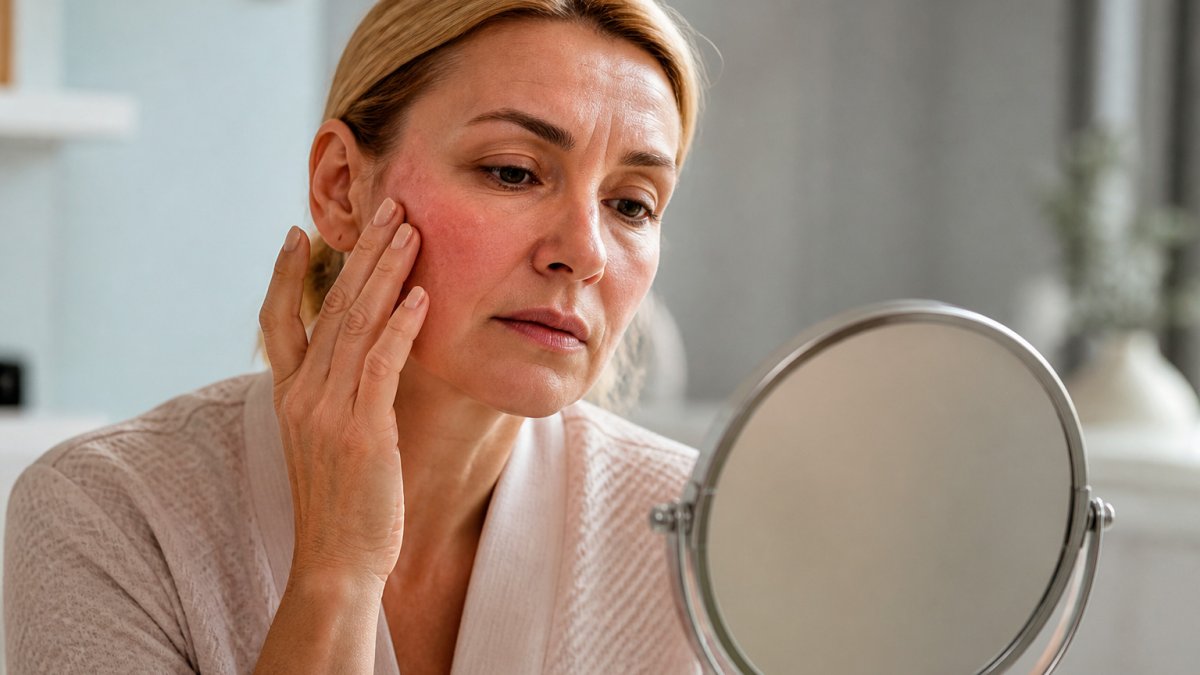
Some people experience heightened body checking: frequent mirror checks, pinching treated areas, and photographing the same angle repeatedly. For some people this fades as results stabilize.
Watch out: if you find yourself distressed despite objectively good results, or if you are considering additional sessions to fix a flaw only you can see, tell your provider before booking.
A few practical guardrails help:
- Set a check-in cadence, not a constant check. Look at treated areas on a scheduled basis, such as your weekly weigh-in, rather than every time you pass a mirror.
- Use measurements and photos on a schedule. Monthly photos in the same light and pose give a truer picture than daily mirror checks.
- Separate weight from worth. A two-pound fluctuation is data, not a verdict on your treatment or your discipline.
- Name the goal before you book more sessions. If the goal is "feel like myself again," maintenance sessions and habits may be enough. If the goal is "fix a flaw," talk to your provider first.
When to Loop In Your Provider
Bring up skin changes and body-image concerns at your maintenance visits rather than waiting for a crisis. Your provider can assess laxity, adjust your maintenance interval, and refer you to a mental health professional when body-image distress goes beyond normal adjustment. Treating both sides of maintenance is what keeps results stable and sustainable.
Frequently Asked Questions
Are body contouring results permanent?
The fat cells removed by non-surgical body contouring do not grow back, so the treated area keeps its new shape as long as your weight stays stable. The remaining fat cells can still expand if you gain weight, which is why maintenance matters. Results can be long-lasting rather than permanent. Following your provider's aftercare instructions and keeping a consistent weight range can help support your results.
Can weight gain affect body contouring results?
Yes. Treated fat cells are gone, but surrounding fat cells in the same area can enlarge when you gain weight, which can blur the contour you paid for. Weight gain can show up in the treated zone. Tracking your weight weekly and catching a trend early makes it much easier to correct before the shape changes noticeably.
What should you do after body contouring to maintain results?
Follow your practitioner's aftercare plan closely. Over the following months, build a routine with strength training two to three times a week, balanced nutrition with adequate protein, and regular cardiovascular exercise. Keep processed foods occasional rather than daily, and schedule follow-up visits so your provider can assess how your body composition is holding.
How often should you get body contouring to keep results?
Most non-surgical body contouring plans use a series of sessions spaced several weeks apart, and many people return for a maintenance session once or twice a year after the initial series. The right interval depends on the technology used, the area treated, and how your body responds. Your provider can help set a maintenance schedule based on your results and goals.
Maintaining results takes a plan, not perfection. If you want that plan built around your body and your goals, Lumyn Medspa offers customized treatment plans, a full range of body contouring services, and ongoing wellness management to protect your results. Our team works with people who are new to aesthetic care and people who have been at it for years, with no judgment either way. Get started with Lumyn Medspa and build a maintenance plan that keeps your contour stable for the long run.