 ultimate-guide
Non-Surgical Body Contouring for Stubborn Fat: A 2026 Guide
Table of Contents
- What Is Non-Surgical Body Contouring?
- How Non-Invasive Fat Reduction Works
- FDA-Cleared Body Contouring Devices and Technologies
- Non-Invasive Fat Reduction Recovery Time and Downtime
- Non-Surgical Body Contouring Cost and Investment
- Maintaining Results After Fat Reduction
- Who Is a Good Candidate for Non-Surgical Body Contouring?
- Risks, Side Effects, and What to Expect
Last Updated: August 26, 2026
What Is Non-Surgical Body Contouring?
Non-surgical body contouring is an aesthetic procedure designed to reduce localized fat deposits without surgery, incisions, or anesthesia. These treatments use advanced technologies like radiofrequency, ultrasound energy, cryolipolysis, or laser-assisted methods to target subcutaneous fat beneath the skin's surface, triggering fat cell apoptosis and metabolic clearance over time.
Unlike traditional liposuction, non-surgical body contouring preserves surrounding tissue, requires minimal to no downtime, and delivers gradual, natural-looking results. Most patients see noticeable changes within 4-12 weeks, with continued improvement as the body naturally processes treated fat cells.
At Lumyn Medspa, we combine modern technology with personalized treatment plans to help you achieve the body contours you want without the risks and recovery associated with invasive surgery. For professionals and active individuals who can't afford downtime, these procedures offer a realistic path to body sculpting results.
How Non-Invasive Fat Reduction Works
The science behind non-invasive fat reduction centers on triggering lipolysis, the breakdown of fat cells, through targeted energy delivery. Different technologies use different mechanisms, but all share the same goal: to damage adipose tissue enough that the body eliminates it naturally without harming surrounding skin, muscle, or nerves.
When radiofrequency energy is applied to skin, it generates heat that penetrates to the subcutaneous fat layer, disrupting fat cell membranes and causing them to rupture. The body then processes these lipids through normal metabolic pathways over several weeks.
Cryolipolysis works differently. By cooling adipose tissue to temperatures that trigger apoptosis, this method induces controlled cell death without damaging overlying skin (the FDA). The frozen fat cells crystallize and die, then gradually clear from the body over 8-12 weeks.
Ultrasound-based treatments use acoustic energy to create cavitation bubbles within fat cells, causing them to rupture. Laser-assisted approaches combine heat and mechanical energy to fragment fat tissue while simultaneously stimulating collagen production for improved skin tightness.
The key advantage of all these methods is selectivity. Energy is directed specifically at adipose tissue, which absorbs and responds to it more readily than surrounding structures. Recovery is minimal because no tissue is cut, no nerves are severed, and no sutures are needed. Mild swelling, redness, or temporary numbness may occur, but these resolve within hours to days.
FDA-Cleared Body Contouring Devices and Technologies
The FDA-cleared body contouring devices available today represent years of clinical validation and refinement. Each technology has demonstrated safety and efficacy through rigorous testing.
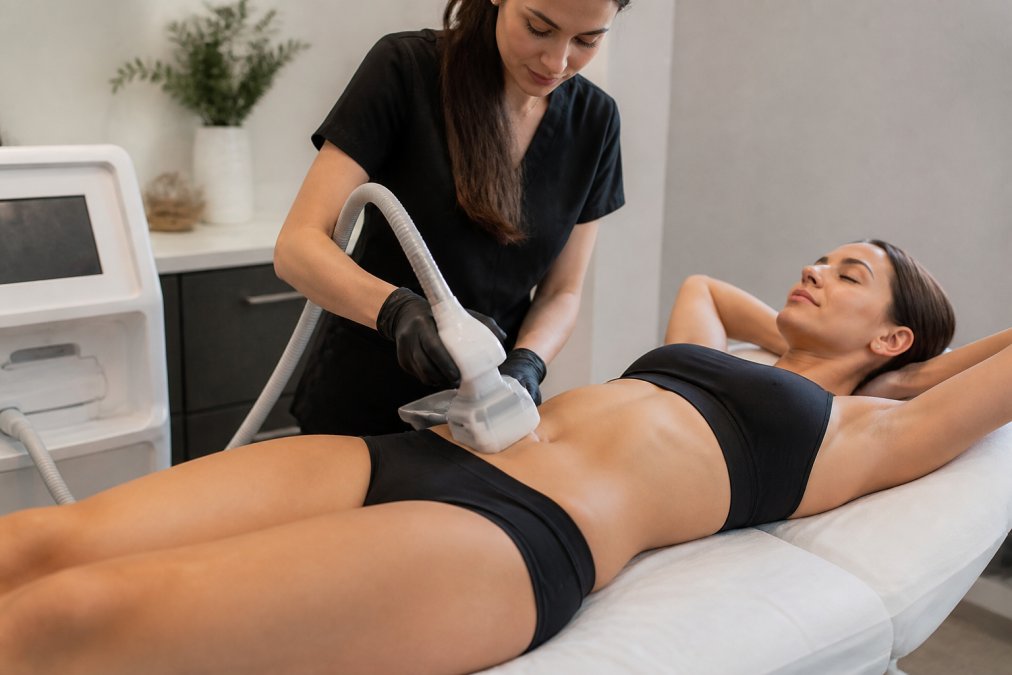
Cryolipolysis devices are among the most established, with extensive clinical data supporting their ability to reduce fat in treated areas by 20-25% per session (peer-reviewed research). The procedure involves a vacuum applicator that draws skin and fat into a cooling chamber, freezing adipose tissue while protecting the epidermis. Sessions typically last 35-60 minutes per area.
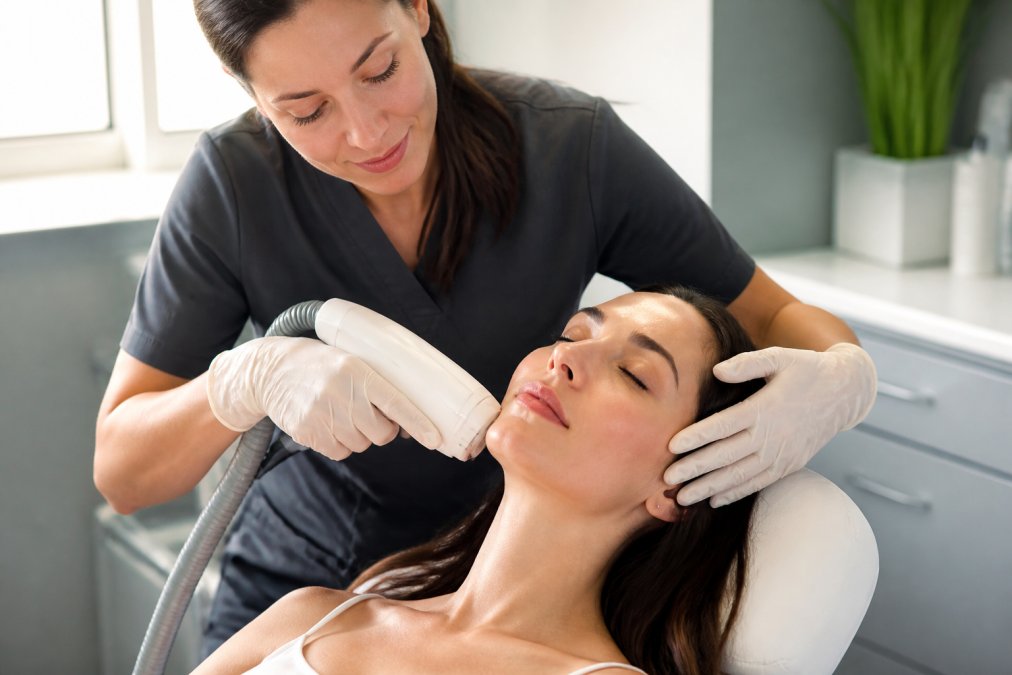
Radiofrequency devices deliver controlled heat to the dermal and subcutaneous layers, causing immediate collagen contraction and triggering long-term collagen remodeling. Many patients notice skin tightening alongside fat reduction. Treatment sessions usually range from 15-30 minutes.
Ultrasound-based systems use focused acoustic energy to selectively target fat cells and are effective for larger treatment areas, often producing noticeable results within 2-4 weeks. Sessions typically last 30-45 minutes depending on area size.
Laser-assisted body contouring combines thermal and mechanical energy, preferentially absorbing into fat while minimizing skin damage and stimulating collagen production for improved contour and skin quality.
The choice between technologies depends on your specific goals, treatment area, skin type, and the provider's expertise. A qualified aesthetic professional will assess your anatomy and recommend the device most likely to deliver your desired outcome.
Non-Invasive Fat Reduction Recovery Time and Downtime
One of the most significant advantages of non-surgical body contouring is the minimal recovery period. You can return to work, exercise, or social activities on the same day as treatment. Some people notice mild side effects like temporary redness, slight swelling, or minor numbness, but these typically resolve within hours to a few days.
Cryolipolysis may cause more pronounced temporary swelling and redness that peak within 24-48 hours and fade completely within a week (peer-reviewed research). A small percentage of patients experience temporary numbness or tingling, which resolves as nerves re-acclimate.
Radiofrequency treatments often produce immediate visible results because collagen contracts during the procedure. Continued improvement continues for 2-3 months as collagen remodeling progresses.
Most patients observe noticeable changes within 4-8 weeks, with optimal results visible at 8-12 weeks as the body completes metabolic clearance of treated fat. This gradual improvement works in your favor, as results look natural because the change happens progressively rather than suddenly.
If you're considering multiple treatment sessions, spacing is typically 4-6 weeks apart to allow adequate time for metabolic processing between appointments.
Non-Surgical Body Contouring Cost and Investment
Pricing for non-surgical body contouring varies significantly based on the technology used, treatment area size, number of sessions needed, and your provider's expertise. Lumyn Medspa recommends scheduling a consultation to receive an accurate quote tailored to your needs.
Larger treatment areas require more time and energy, increasing cost. Multiple sessions, often necessary for optimal fat reduction, compound the overall expense. When evaluating cost, consider the value proposition: non-surgical body contouring eliminates surgical risks, anesthesia fees, operating room costs, and extended recovery time away from work or activities.
Some practices offer package pricing for multiple sessions or financing options to make treatments more accessible. The most important consideration is finding a qualified provider using FDA-cleared technology who understands your goals and can deliver realistic results.
Maintaining Results After Fat Reduction
Non-surgical body contouring produces long-lasting results because treated fat cells are eliminated, not simply shrunk. When fat cells are destroyed through non-invasive procedures, they don't regenerate. However, remaining fat cells can still enlarge if you gain weight.
The most effective maintenance protocol involves consistent exercise, balanced nutrition, and realistic expectations about aging. Regular physical activity, particularly resistance training and cardiovascular exercise, preserves muscle tone and supports metabolic health. A diet focused on whole foods and appropriate calorie balance prevents weight regain.
Many patients find that non-surgical body contouring serves as a psychological catalyst, motivating continued commitment to healthy habits. Some patients choose maintenance treatments, single sessions every 12-24 months, to address any minor fat accumulation or treat new areas.
Most patients enjoy stable results for 2-5 years or longer with consistent healthy habits.
Who Is a Good Candidate for Non-Surgical Body Contouring?
The ideal candidate for non-surgical body contouring has realistic expectations, localized fat deposits that resist diet and exercise, and generally good health.

Most candidates are within 20-30 pounds of their goal weight. These procedures work best on people who've already achieved reasonable fitness through diet and exercise but struggle with stubborn pockets that won't respond.
Skin quality matters. Candidates with good skin elasticity typically see better results because the skin can contract appropriately around new contours. Patients with significant skin laxity may benefit from combination treatments that include radiofrequency or laser energy to stimulate collagen and tighten skin simultaneously.
Medical history matters. Certain conditions, active infections, pregnancy, severe skin conditions in the treatment area, or implanted metal devices may contraindicate treatment. A thorough consultation with a qualified provider identifies any contraindications specific to your situation.
Psychological readiness is equally important. Candidates should understand that results develop gradually over weeks, not immediately. The best candidates view non-surgical body contouring as a tool to refine already-good body composition, not as a solution to obesity or a substitute for healthy lifestyle habits.
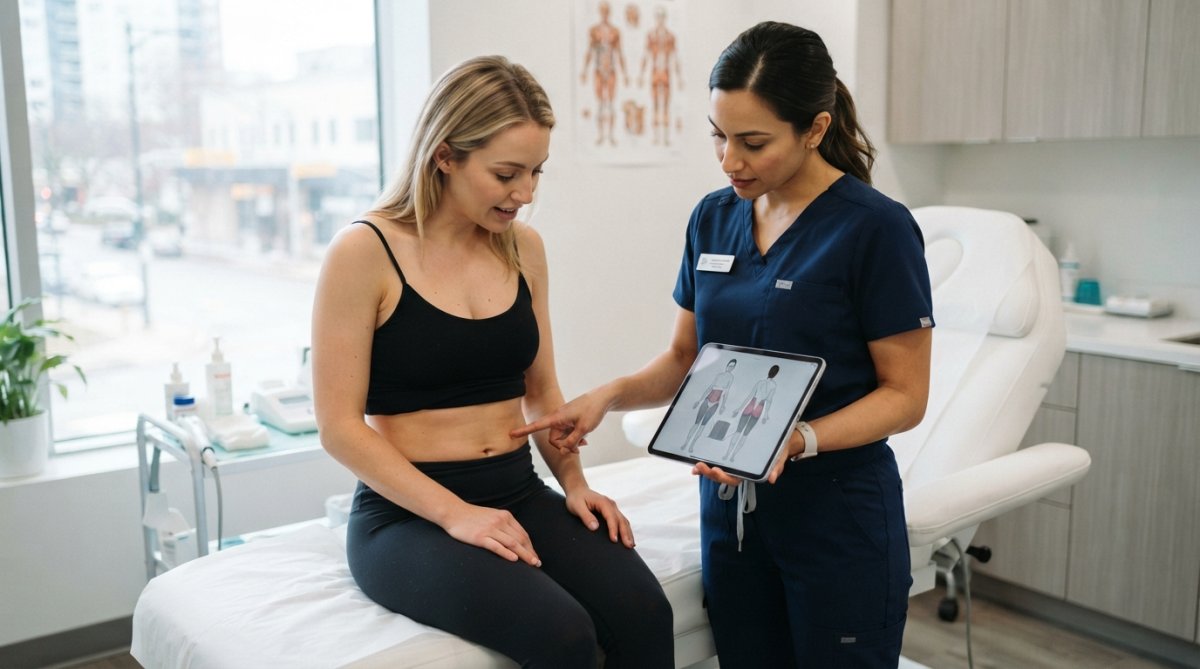
Lumyn Medspa evaluates each patient individually during consultation to determine candidacy and recommend the most appropriate treatment approach for your specific goals and anatomy.
Risks, Side Effects, and What to Expect
Non-surgical body contouring is generally safe, but like any medical procedure, it carries potential risks and side effects that you should understand before treatment.
Common temporary side effects include redness, swelling, bruising, and mild discomfort in the treated area. These typically resolve within days to a week. Temporary numbness or tingling occurs occasionally, particularly with cryolipolysis, and usually resolves within 4-6 weeks.
More serious but rare complications include paradoxical adipose hyperplasia, unexpected fat growth in the treated area, which occurs in fewer than 1% of cryolipolysis cases. Thermal burns from radiofrequency or laser devices are extremely rare when equipment is used properly by trained providers.
Nerve injury is possible but uncommon. Qualified providers use conservative settings and appropriate spacing between treatments to minimize this risk. Infection is unlikely because the skin barrier remains intact, but it's theoretically possible if the treatment area has open wounds or active skin infections.
Asymmetrical results can occur if one side of the body responds differently than the other, though this is usually correctable with additional targeted treatment. Incomplete fat reduction happens occasionally, as some patients simply don't respond as robustly as others to a particular technology.
Lumyn Medspa prioritizes patient safety through careful pre-treatment assessment, conservative treatment protocols, and thorough post-treatment guidance. Understanding these risks allows you to make an informed decision about whether non-surgical body contouring aligns with your goals and risk tolerance.
Non-surgical body contouring offers a practical solution for stubborn fat that resists traditional diet and exercise. If you've worked hard on your fitness but still struggle with localized problem areas, these FDA-cleared procedures can help you achieve the refined contours you want without surgery or significant downtime. At Lumyn Medspa, our team uses advanced body contouring technology and personalized treatment planning to deliver natural-looking results. Schedule a consultation to discuss which approach works best for your anatomy and goals, and take the next step toward the body confidence you've earned.
Frequently Asked Questions
Does non-surgical body contouring actually work for stubborn fat?
Non-surgical body contouring uses FDA-cleared technologies to reduce localized fat deposits that resist diet and exercise. Results depend on the specific technology used, the treatment area, and your body's response. Most patients see visible fat reduction within 2 to 3 months after a series of treatment sessions. Results are not permanent without maintenance lifestyle protocols, as remaining fat cells can expand if you gain weight. A consultation with a qualified provider can assess whether the procedure will work for your specific goals.
What is the recovery time for non-invasive fat reduction?
Most non-invasive fat reduction procedures require minimal downtime. Many patients return to normal activities immediately or within a few days. Some technologies may cause mild redness, swelling, or numbness in the treated area that typically resolves within 1 to 2 weeks. Unlike surgical procedures, non-invasive options do not require anesthesia or incisions, making recovery significantly faster. Your provider will give you specific aftercare instructions based on the technology used.
How much does non-surgical body contouring cost?
Non-surgical body contouring pricing depends on the technology used, the size and number of treatment areas, and the number of sessions needed to achieve your goals. Costs vary based on individual treatment plans. Contact Lumyn Medspa for a personalized quote and to discuss financing options that may be available for your specific procedure.
How do I maintain results after fat reduction treatment?
Maintaining results after non-surgical body contouring requires a consistent maintenance protocol that includes regular exercise, a balanced diet, and healthy lifestyle habits. While treated fat cells are eliminated through apoptosis and metabolic clearance, remaining adipose tissue can still expand with weight gain. Some patients benefit from periodic maintenance treatments spaced several months apart. Your provider will recommend a personalized maintenance plan to help you sustain your aesthetic outcomes long-term.
This article was written using GrandRanker