 comparison
Chemical Peel in San Antonio: Costs & Recovery
Table of Contents
- Chemical Peel in San Antonio: What to Know Before You Book
- Comparing Peel Types: Light, Medium, and Deep
- Chemical Peel Cost: What Drives the Price
- Chemical Peel Recovery Time and Downtime
- How Often Should You Get a Chemical Peel?
- Chemical Peel Before and After: Setting Realistic Expectations
- Choosing a Provider: What to Ask and What to Check
- Frequently Asked Questions
Last Updated: October 7, 2026
Chemical Peel in San Antonio: What to Know Before You Book
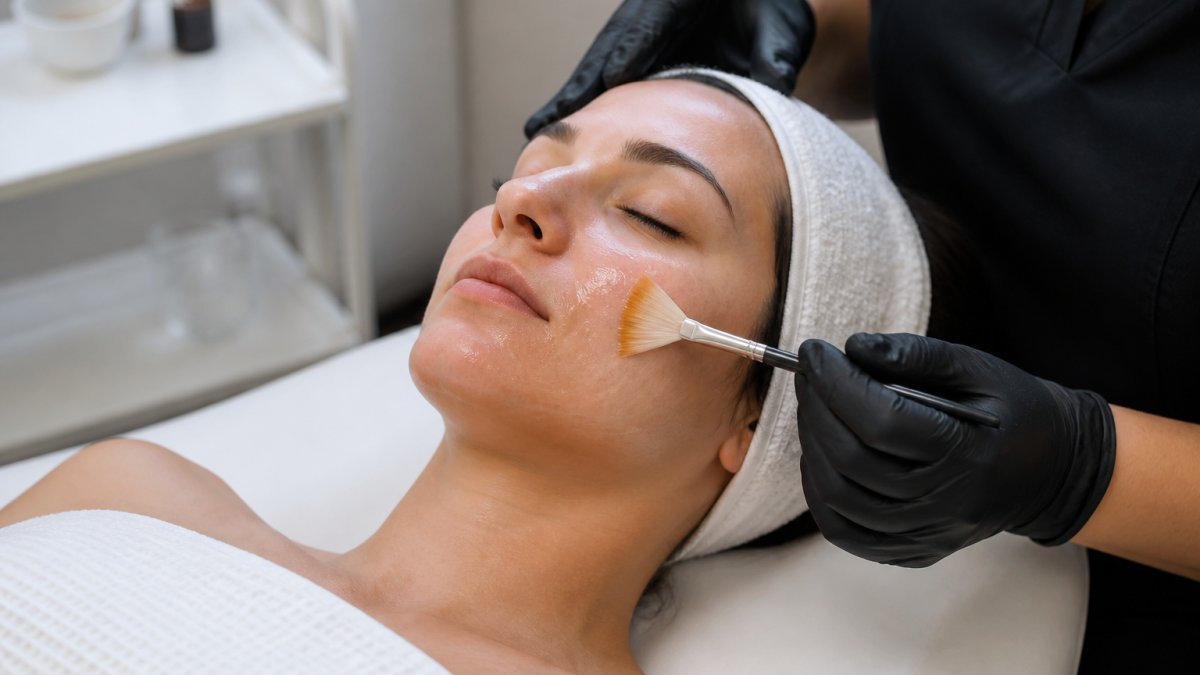
A chemical peel in San Antonio uses a topical acid solution to remove damaged outer layers of skin, prompting fresher skin to surface.
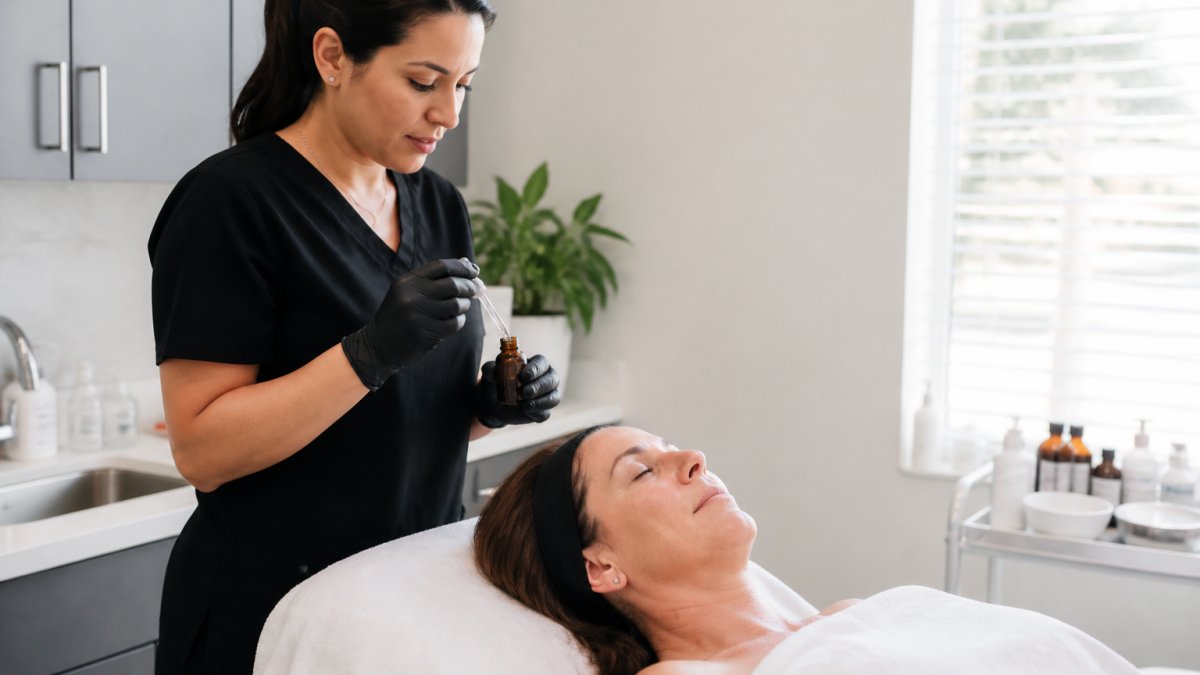
The results people want, softer fine lines, faded dark spots, clearer pores, come from that shedding process, not the application itself.
Below: peel types, cost drivers, recovery timelines, and how to choose a provider in this city.
How a Chemical Peel Works
A chemical peel works by applying an acid solution that dissolves the glue between dead skin cells, so the top layer peels away and reveals fresher skin beneath. Depth depends on the acid, its concentration, and contact time.
The three main acid families do different jobs:
- Alpha hydroxy acids (AHAs), such as glycolic and lactic acid, work on the surface. Best for dullness and mild texture.
- Beta hydroxy acids (BHAs), such as salicylic acid, are oil-soluble and get into pores. Best for acne-prone skin and clogged pores.
- Trichloroacetic acid (TCA) penetrates deeper and is used for discoloration, sun damage, and deeper lines.
A clinician controls depth through concentration and contact time. That is why the same acid name can describe a lunchtime facial or a week of downtime.
Comparing Peel Types: Light, Medium, and Deep
Peels sort into three depths, and depth decides everything else: cost, recovery, results, and risk. Light peels refresh the surface with little downtime, medium peels reach the upper dermis for more visible change, and deep peels go further with the longest recovery.
| Peel Type | Typical Acids | Depth | Downtime | Best For |
|---|---|---|---|---|
| Light | Glycolic, lactic, salicylic, mandelic | Surface only | Minimal to none | Dullness, mild texture, clogged pores |
| Medium | TCA, blended acids | Upper dermis | Several days of peeling | Discoloration, sun damage, fine lines |
| Deep | Higher-strength TCA | Deeper dermis | A week or more | Deeper lines, significant sun damage |
Light Peels
Light peels are the entry point. Most people return to normal activities the same day with mild pinkness that fades within hours. A series spaced a few weeks apart gradually improves uneven tone and texture without disrupting your calendar, and they're the most forgiving option for first-timers and acne-prone skin, since salicylic acid targets clogged pores directly.
Medium Peels
Medium peels are where visible change begins. Expect redness for a few days, then noticeable peeling starting around day two or three. They're a strong choice for sun damage, hyperpigmentation, and fine lines, but the downtime is real: plan them around a quiet stretch, not the week of a major presentation.
Deep Peels
Deep peels produce the most dramatic skin resurfacing and demand the most from you. Healing can take a week or longer, with sensitivity and redness lingering after. They suit patients with significant sun damage or deeper wrinkles who can commit to recovery, not a treatment to schedule casually, and not right for every skin type.
Chemical Peel Cost: What Drives the Price
Chemical peel cost varies widely because price tracks depth, product line, provider type, and treatment area. A superficial day-spa peel and a medium-depth peel under medical supervision are not comparable purchases, even when both are marketed as "a chemical peel." The menu number is rarely the number you pay, so know every line item a quote can include.
The full cost breakdown
Most practices price a peel as some combination of the following:
- Consultation fee. Some practices charge for the skin assessment and apply it toward treatment if you book; others waive it. Ask which model applies before scheduling.
- Per-session price. The base cost of a single treatment, which scales with depth and the product line used.
- Package or series pricing. Bundles of three or more sessions are usually discounted, but they lock you into a provider before you know how your skin responds.
What moves the number up or down
- Peel depth and strength. Deeper peels take more clinician time and more careful monitoring.
- The product line used. Medical-grade formulas cost the provider more than cosmetic retail lines.
- Provider credentials. A dermatologist or physician-supervised practice typically charges more than a spa esthetician.
Reading a quote correctly
When comparing quotes, compare the same depth, product line, and number of sessions. A $150 light peel and a $300 medium peel aren't competing offers; they're different treatments.
For a concrete local benchmark, Lavender Skin Spa's San Antonio peel pricing page lists a medical-grade peel at $300, PCA SKIN blended peels at $159 per treatment or $450 for a three-pack, and a neck peel at $149.
At Lumyn Medspa, pricing depends on the treatment plan we build for your skin, so we quote after a consultation rather than publishing a flat rate. Call us or check our site for current pricing.
Chemical Peel Recovery Time and Downtime
Chemical peel recovery time ranges from zero downtime for a light peel to a week or more for a deep peel. Depth matters most, not the brand name on the bottle.
What recovery actually looks like:
- Light peels: Mild pinkness for a few hours. Some people notice light flaking around day two.
- Medium peels: Redness for two to three days, then visible peeling for several days. Skin feels tight and sensitive.
- Deep peels: Significant redness and peeling for a week or longer, with sensitivity that lingers after the peeling stops.
The peeling itself isn't a sign something went wrong, it's the mechanism. Resist picking or pulling at lifting skin, since pulling early can cause irritation and uneven healing.
How Often Should You Get a Chemical Peel?
How often you should get a chemical peel depends on depth, but the intervals aren't arbitrary. Skin needs to complete its healing cycle before the next round, and stacking treatments too close raises the risk of irritation and uneven results.
Typical spacing by peel depth
- Light peels. Every two to four weeks in a series. A common course is three to six sessions, then a pause to assess results.
- Medium peels. Spaced several weeks to a few months apart. Many providers limit patients to a small number per year because each one is a deeper wound that needs full recovery.
- Deep peels. Usually once a year or less. Some patients never repeat a deep peel and maintain with lighter treatments instead.
Why the interval matters
The days after a peel are an active healing phase: the barrier is rebuilding, pigment cells are settling, and new skin is more vulnerable to sun and harsh actives. Treating again before that phase finishes doesn't accelerate results, it raises the chance of post-inflammatory hyperpigmentation, prolonged redness, and barrier damage. The interval is protection, not a sales tactic.
A realistic treatment calendar
A common pattern for someone chasing uneven tone and texture:
- Weeks 1-12: A short series of light peels, spaced two to four weeks apart.
- Month 3: Reassess with your provider. If results are on track, step up to a medium peel or move to maintenance.
- Months 4-12: Maintenance sessions at a longer interval, often every six to twelve weeks, adjusted to how your skin holds results.
Maintenance is the part people skip
Results from a series fade if you stop. Sun exposure, natural cell turnover, and daily life all work against the improvement.
If you are unsure where you fall, ask your provider to map out a treatment plan with dates rather than booking one session at a time. A written schedule makes the cost and the commitment clear before you start.
Chemical Peel Before and After: Setting Realistic Expectations
Chemical peel before and after results are gradual, not instant.
What most guides get wrong is promising a single-session transformation. In practice, the biggest visible changes come from a series plus consistent sun protection between treatments.
A realistic timeline for a medium peel:
- Days 1-2: Redness and tightness.
- Days 3-6: Visible peeling.
- Days 7-14: Fresh skin emerges; tone and texture improve.
Sun protection isn't optional during any of this. Newly revealed skin is more vulnerable to sun damage, and unprotected exposure can undo the discoloration improvements you paid for.
Choosing a Provider: What to Ask and What to Check
Choosing a provider determines your outcome more than the peel type does. The same acid at the same strength behaves differently in experienced hands.
Ask these questions before you book:
- Who performs the peel, and what are their credentials and license?
- Is a physician available on site or supervising?
- Which product line do you use, and is it medical-grade?
For context on why credentials matter, the American Academy of Dermatology's guidance on chemical peels recommends peels be performed by a qualified professional, and the U.S. Food and Drug Administration's guidance on cosmetic products is a useful reference for how cosmetic products are regulated.
At Lumyn Medspa, our team builds customized treatment plans and uses advanced technology, including the Candela Nordlys® platform, across our range of skin rejuvenation services. We work with plenty of first-time patients, and no one gets judged for asking basic questions.
A chemical peel can meaningfully improve skin texture, tone, and the look of fine lines, but only when the depth matches your skin and the aftercare actually happens. Lumyn Medspa offers customized treatment plans, a comprehensive range of skin services, and advanced technology in a setting built for patients who are new to aesthetic care. Book a consultation with Lumyn Medspa and get a plan built around your skin, not a template.
Frequently Asked Questions
How much should a chemical peel cost?
Chemical peel cost depends on the type and strength of the peel, the provider's credentials, and whether you buy a single session or a package. Light peels generally cost less than medium or deep peels, and medical-grade formulas from a dermatologist or medical spa often cost more than a spa-grade option. Some providers list prices online while others quote after a consultation. Lumyn Medspa does not publish pricing, so contact them directly for a current quote based on your treatment plan.
How often should you get a chemical peel?
How often you get a chemical peel depends on the peel strength and your skin goals. Light peels are often spaced two to four weeks apart in a series, while medium peels may need four to six weeks between sessions so the skin can fully heal. Deep peels are typically done once, with months of recovery before any repeat. Your provider will set a schedule based on your skin type and concerns, and it is best to follow that spacing rather than rushing the next session.
What is the typical chemical peel recovery time?
Chemical peel recovery time varies by depth. Light peels may cause mild redness and flaking for a few days with little downtime. Medium peels often involve visible peeling for about five to seven days. Deep peels can require one to two weeks or more of healing, with significant redness and swelling. Following aftercare instructions, including sun protection and gentle cleansing, helps support healing and reduce the risk of irritation or uneven results.
What should you ask a provider before getting a chemical peel?
Ask who will perform the peel and what their license and training are, which peel type and ingredients they plan to use, and how many sessions you may need. Confirm the expected downtime, aftercare instructions, and total cost before you book. If you have a darker skin tone or a history of hyperpigmentation, ask how they adjust the peel to lower the risk of uneven skin tone. A qualified provider will welcome these questions and give clear answers.
Are chemical peels good for acne and hyperpigmentation?
Chemical peels can help with acne, clogged pores, and hyperpigmentation by exfoliating the top layers of skin and encouraging cell turnover. Light and medium peels are often used for acne-prone skin and uneven skin tone, while deeper peels target sun damage and more stubborn discoloration. Results vary by skin type and concern, and people with darker skin tones need a provider experienced in treating hyperpigmentation to reduce the risk of post-inflammatory pigmentation changes.