 ultimate-guide
7 Reasons Loose Skin After Pregnancy Happens
Last Updated: November 9, 2026
Quick Summary
Loose skin after pregnancy is caused by seven overlapping factors: collagen and elastin breakdown, genetics, weight fluctuation, subcutaneous fat changes, abdominal wall stretching, diastasis recti, and natural thinning of the dermal layer. Your skin stretched fast, structural proteins took a hit, and your body has to rebuild.
- Collagen provides firmness while elastin fibers allow skin to stretch and return.
- Genetics determine much of your baseline skin elasticity, and no cream changes that.
- Diastasis recti is a separation of the abdominal muscles along the midline.
- Skin retraction continues for months after delivery, with meaningful change in the first year.
- Avoid retinoids, high-concentration salicylic acid, and hydroquinone while breastfeeding or pregnant.
Table of Contents
- What Causes Loose Skin After Pregnancy: The 7 Main Drivers
- Weight Fluctuation, Subcutaneous Fat, and the Abdominal Wall
- Loose Skin vs. Postpartum Fat vs. Diastasis Recti
- Is Loose Skin After Pregnancy Permanent?
- How to Tighten Skin After Pregnancy Without Surgery
- Non Invasive Skin Tightening Procedures That Work on the Dermal Layer
- The Body Image Side Nobody Talks About
- Book a Postpartum Skin Consultation at Lumyn Medspa
- Frequently Asked Questions
What Causes Loose Skin After Pregnancy: The 7 Main Drivers
Loose skin after pregnancy comes down to seven overlapping factors: collagen and elastin breakdown, genetics, weight fluctuation, subcutaneous fat changes, abdominal wall stretching, diastasis recti, and the natural thinning of the dermal layer. These drivers often stack on top of each other, which is why two women with similar pregnancies can end up with very different skin.
The short version: your skin stretched fast, your structural proteins took a hit, and your body has to rebuild. Below, we walk through each driver so you can pinpoint which ones apply to you.
Collagen and Elastin: The Fibers That Snap Back
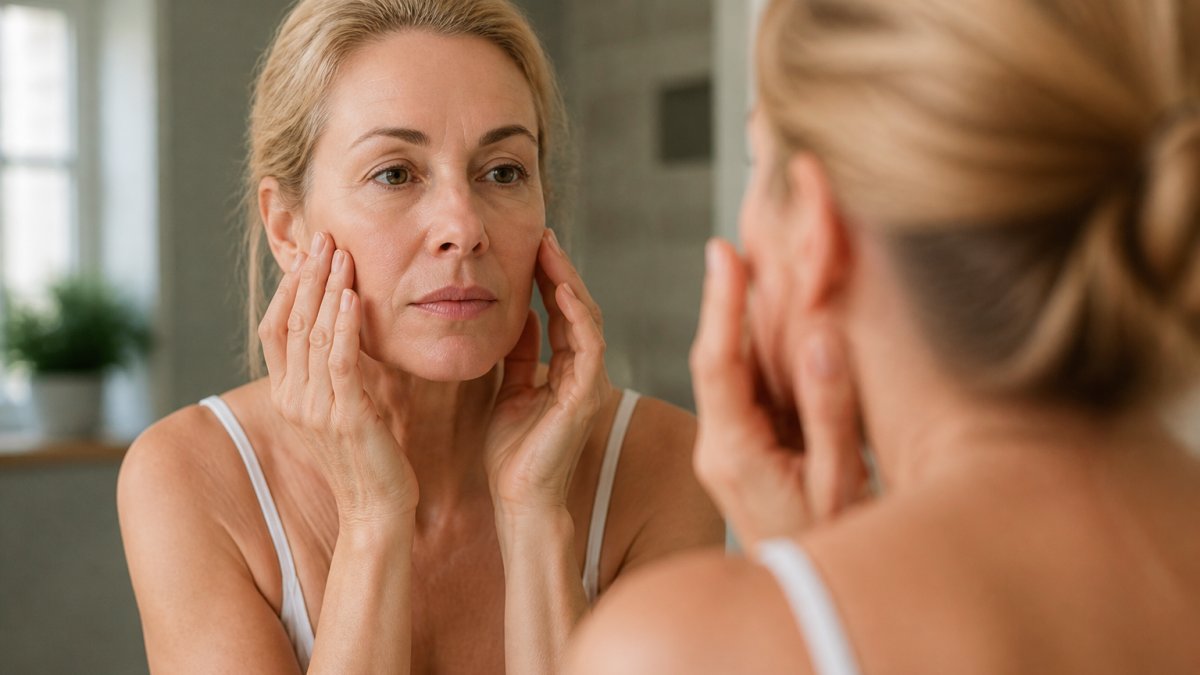
Collagen and elastin are the structural proteins in the dermal layer that give skin its strength and rebound. Collagen provides firmness; elastin fibers allow skin to stretch and return. During pregnancy, rising hormones soften connective tissue and the abdomen expands over months, so these fibers stretch beyond their usual range. Some rebound fully. Others don't.
Collagen production also declines with age, which can slow skin retraction for women in their thirties and forties. The epidermis, the outer layer, isn't the problem. The dermal layer underneath is where the structural loss happens.
How Genetics Set Your Skin's Rebound Limits
Genetics determine much of your baseline skin elasticity, and no cream changes that. If your mother or sister bounced back quickly, you may too. If your family tends toward sagging skin, your rebound may be slower regardless of what you do.
A common mistake is blaming yourself for slow retraction. In practice, heredity sets the ceiling and lifestyle affects how close you get to it. That's a useful distinction to hold onto before you spend money on anything.
Weight Fluctuation, Subcutaneous Fat, and the Abdominal Wall
Rapid weight loss and weight fluctuation stretch skin in both directions, and the abdominal wall takes the brunt. Pregnancy itself involves fast gain, then delivery removes volume quickly. Subcutaneous fat shifts, and skin that was stretched to accommodate it may not contract at the same pace.
Many women find that the belly looks softer months postpartum not because of fat alone, but because the underlying support hasn't recovered. That's why core strengthening and patience matter alongside any topical approach.
Loose Skin vs. Postpartum Fat vs. Diastasis Recti
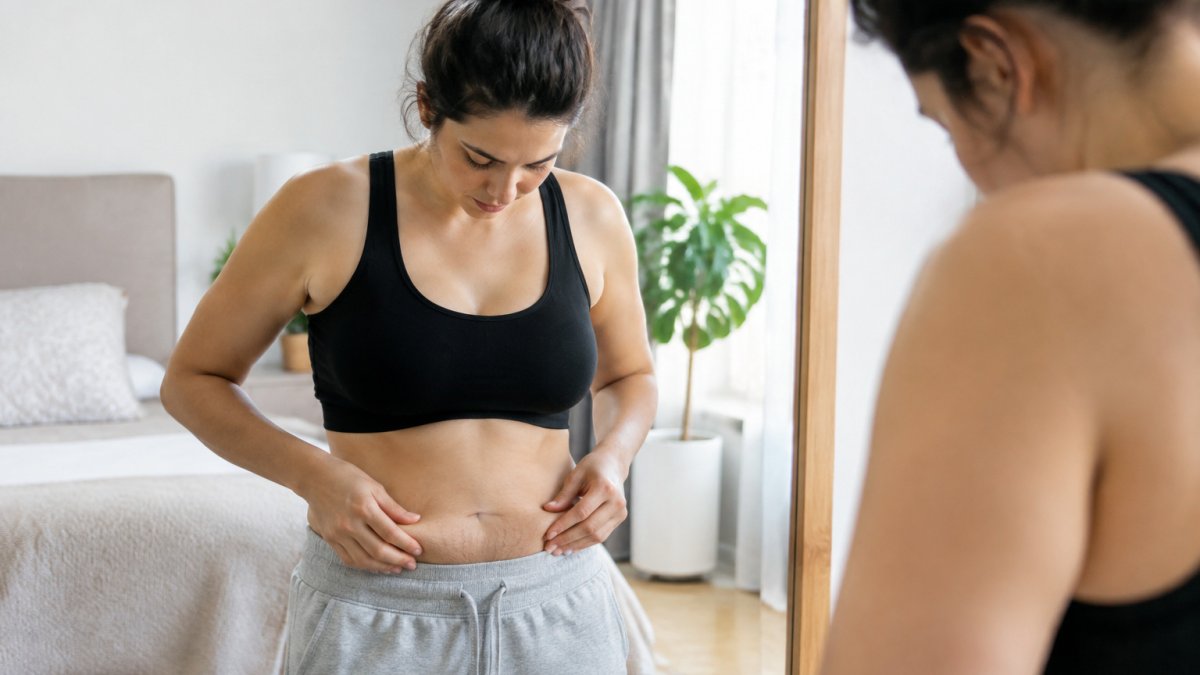
Telling these three apart changes what you do next. Loose skin is thin, wrinkled skin that doesn't snap back when pinched. Postpartum fat is soft tissue that shifts and feels squishy. Diastasis recti is a separation of the abdominal muscles along the midline, and it can create a persistent bulge that diet alone may not flatten.
Here's a quick way to sort them:
| What you notice | Likely driver | First step |
|---|---|---|
| Thin, crepey skin that won't retract | Loose skin | Skin tightening consult |
| Soft tissue that moves and shifts | Subcutaneous fat | Body contouring consult |
| Pooch that bulges with sit-ups | Diastasis recti | Core assessment with a clinician |
| Combination of all three | Mixed presentation | Full consultation |
A clinician can assess which is dominant. Self-diagnosis tends to send people toward the wrong treatment.
Is Loose Skin After Pregnancy Permanent?
Often it improves, but some looseness is permanent without intervention. Skin retraction continues for months after delivery as collagen production recovers, and many women see meaningful change in the first year. Beyond that window, the dermal layer has largely done what it's going to do on its own.
That doesn't mean nothing helps. It means the timeline matters. If you're weighing whether results last, our guide on how to maintain body contouring results long term covers what keeps improvement in place after treatment.
How to Tighten Skin After Pregnancy Without Surgery
Non-surgical tightening works best when started after your body has had time to recover, and it combines at-home habits with in-office treatments. The at-home layer is unglamorous but real, and the specifics matter more than the general advice.
- Support collagen production with protein, vitamin C, and adequate hydration. Collagen synthesis requires amino acids and vitamin C as a cofactor, so a diet that is low in protein undermines the raw material your dermal layer needs.
- Strengthen the core to improve muscle tone and abdominal support. A physical therapist or qualified trainer can screen for diastasis recti before you load the midline with crunches or planks.
- Keep weight stable to avoid further stretch. Repeated gain-and-loss cycles stretch skin in both directions and make retraction harder.
- Use postpartum-safe topical treatments, and check ingredients with your provider if you are breastfeeding.
- Protect skin from sun damage, which accelerates collagen loss. Daily broad-spectrum sunscreen is the single most reliable at-home habit for preserving the collagen you have.

Postpartum-Safe Skincare: What to Use and What to Avoid
Many readers are unsure which ingredients are appropriate during breastfeeding. A general breakdown looks like this:
- Avoid while breastfeeding or pregnant: prescription and over-the-counter retinoids (tretinoin, adapalene, retinol), high-concentration salicylic acid, and hydroquinone. Retinoids are a topical class often discussed for collagen support, which is one reason they are typically avoided during this window; confirm with your provider.
- Generally considered compatible: topical vitamin C, niacinamide, hyaluronic acid, glycerin, panthenol, and peptides. These support hydration and the skin barrier without the retinoid risk profile.
- Ask before using: exfoliating acids (glycolic, lactic), which are often fine at low concentrations but worth confirming with your provider, and any new product if you are nursing.
Many over-the-counter firming creams act mainly at the surface, while structural changes occur in the dermal layer. Set expectations accordingly.
Do Collagen and Elastin Supplements Actually Help?
Collagen and elastin supplements are widely marketed for postpartum skin, and the honest answer is that the evidence is mixed. Oral collagen peptides are broken down into amino acids during digestion, so the body does not deliver intact collagen to your abdomen.
Treat supplements as a supporting habit rather than a fix.
Watch out: the most common mistake is stacking several "firming" products and supplements at once, which makes it impossible to tell what, if anything, is working and can irritate sensitive postpartum skin.
Non Invasive Skin Tightening Procedures That Work on the Dermal Layer
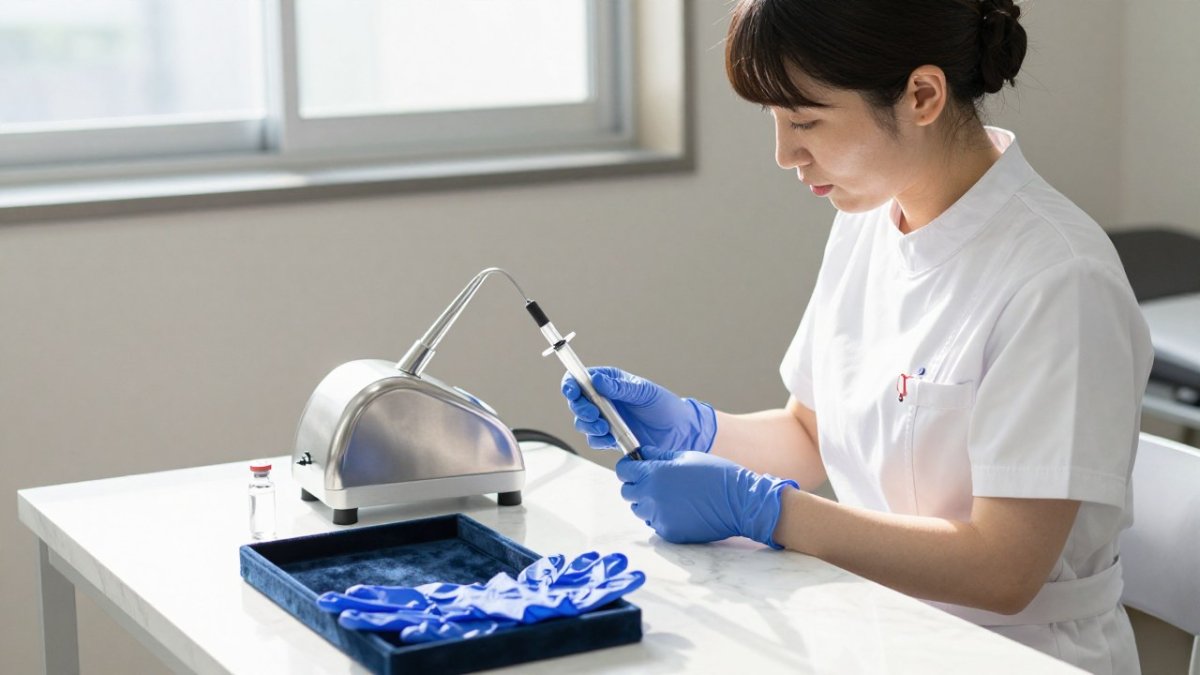
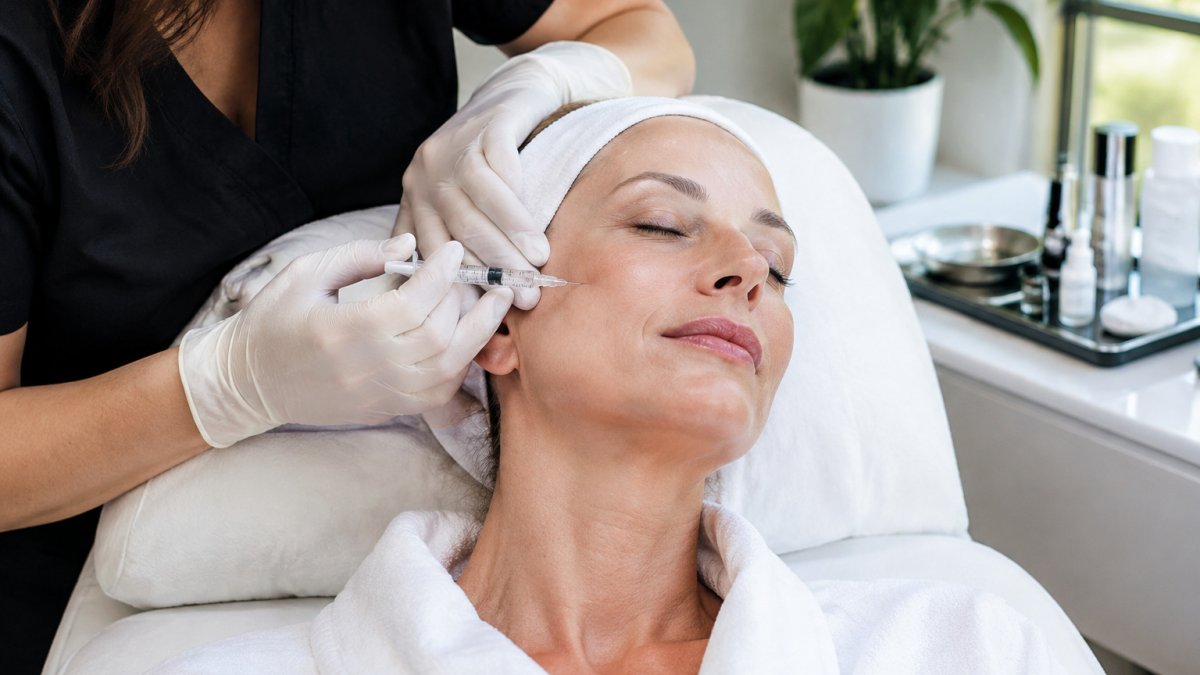
Some non-surgical procedures aim to act on the dermal layer. Radiofrequency therapy heats deeper tissue to prompt collagen production, and laser resurfacing can improve skin texture and tone. Because body contouring targets the shape beneath the skin rather than collagen alone, Shape Shift Body Contouring Red Deer can be a useful next point of comparison when considering whether cavitation may address loose skin.
At Lumyn Medspa, we focus on personalized care and customized treatment plans, using advanced technology such as the Candela Nordlys® platform for skin rejuvenation. If you want to compare options in detail, our guide to non invasive skin tightening procedures breaks down what each approach does. When you're ready to see what fits your body, you can review EMS Sculpting as one option we offer for muscle tone and contouring.
Watch out: booking a package before a proper assessment is the most common way people waste money on treatments that don't target their actual driver.
The Body Image Side Nobody Talks About
The emotional weight of a changed body is real, and it deserves more attention than a passing mention. Many women describe grief, frustration, or a sense of disconnect from their reflection, and that experience is common rather than vain.
What makes this harder than it looks is the timing. The physical recovery window and the identity shift of new motherhood overlap, so a woman may be evaluating her body at exactly the moment she has the least sleep, the least privacy, and the least time to herself.
What Actually Helps
- Name it out loud. Saying "I am struggling with how my body looks" to a partner, friend, or clinician reduces the shame loop that keeps the feeling private and magnified.
- Separate the medical from the emotional. Knowing that loose skin has a structural cause can reduce self-blame, but it does not erase grief. Both can be true at once.
- Set a realistic timeline. Skin retraction continues for months, and judging your body at six weeks postpartum is judging a process that is still underway.
- Talk to a professional if it interferes with daily life. Persistent distress, avoidance of mirrors or intimacy, or symptoms of postpartum depression or anxiety warrant a conversation with a clinician. Postpartum depression is common and treatable, and body image concerns often travel alongside it.
- Be careful with social media. Curated "bounce back" content is a comparison trap; the bodies you see are selected, posed, and often edited.
Treatment can improve how your skin looks, but it is not a substitute for support if the distress runs deeper. We would rather you come in with honest expectations than hope that a single procedure solves everything. If body image distress is significant, the most useful first step may be a conversation with your obstetrician or a mental health provider, not a treatment booking.
Watch out: booking a procedure to fix a feeling rather than a specific physical concern is the most common route to disappointment, so clarify what you actually want to change before you commit.
Book a Postpartum Skin Consultation at Lumyn Medspa
The fastest way to know which drivers apply to you is a professional assessment, and that's exactly what a consultation provides. A consultation with Lumyn Medspa is a chance to discuss your concerns and receive a customized treatment plan.
If you're not sure what to expect from the first visit, our step-by-step guide to scheduling a body contouring consultation walks you through it.
Your skin changed over nine months. Give it a real assessment before you decide what to do about it. Book a consultation with Lumyn Medspa and get a customized plan grounded in how your skin actually behaves.
Frequently Asked Questions
Does saggy skin after pregnancy go away on its own?
It can improve, but the amount varies widely. In the first six to twelve months after birth, skin retraction continues as collagen production rebuilds and the abdominal wall contracts. Women with strong skin elasticity and gradual weight loss see the most rebound. If significant looseness remains past a year, it usually reflects stretched connective tissue and elastin fibers that do not fully recover without treatment. A consultation can help you judge which category you fall into.
How can I tell if I have loose skin or diastasis recti?
Lie on your back with knees bent and lift your head slightly. Press two fingers just above your navel; a gap of more than two finger-widths that bulges when you strain suggests diastasis recti, a separation of the abdominal wall muscles. Loose skin feels thin and wrinkled when pinched, while diastasis feels like a soft ridge under intact skin. Both can occur together, and a professional assessment gives you a clearer answer than self-checking alone.
Are non invasive skin tightening procedures safe after pregnancy?
Radiofrequency and laser resurfacing are generally well tolerated, but timing matters. Most providers ask that you wait until at least six months postpartum, are no longer breastfeeding if treating the abdomen, and have cleared any healing complications with your OB-GYN. Session length and recovery vary by treatment and provider, so ask at your consultation what to expect. Discuss your full medical history at your consultation so the provider can confirm you are a candidate.
Can collagen supplements tighten loose skin after pregnancy?
Collagen and elastin supplements are popular, and some studies suggest oral collagen peptides may modestly improve skin hydration and elasticity. The effect on significant postpartum looseness is limited, because stretched connective tissue and separated muscles are structural problems that a supplement cannot rebuild. Think of supplements as support for overall skin health alongside hydration, protein intake, and gradual weight management, not as a replacement for procedures that stimulate collagen in the dermal layer.