 comparison
Professional Treatments vs Home Remedies for Sun Spots
Table of Contents
- How Professional Treatments and Home Remedies Compare for Sun Spots
- Home Remedies for Age Spots: What the Evidence Shows
- Laser Treatment for Sun Spots: What to Expect
- Chemical Peel for Sun Spots: Benefits and Limitations
- Sun Spot Treatment Results and Risks: A Side-by-Side Look
- Building a Combined Treatment and Prevention Plan
- Conclusion: Choosing the Right Path for Your Skin
- Frequently Asked Questions
Last Updated: October 9, 2026
How Professional Treatments and Home Remedies Compare for Sun Spots
Sun spots are flat areas of darkened skin that develop after years of UV exposure.
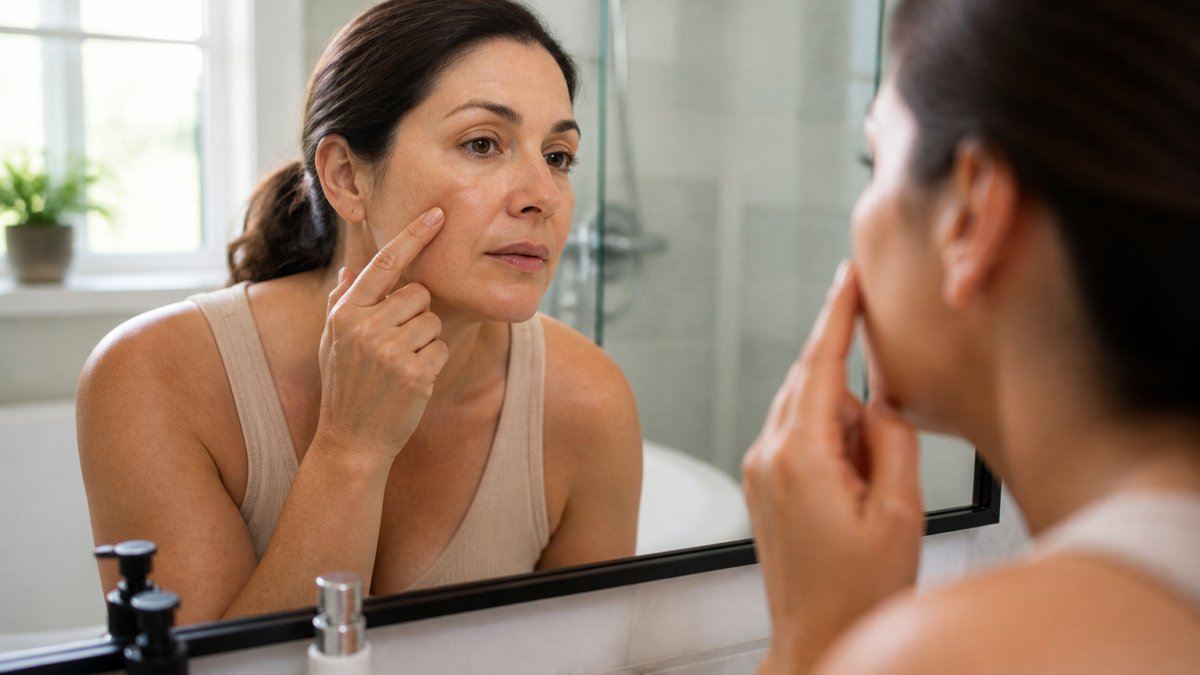
That trade-off matters because sun spots, also called solar lentigines or age spots, are not just a surface problem.
What Sun Spots Are and Why They Form
A sun spot is a flat, tan-to-brown patch caused by melanin clustering after UV exposure, most often on the face, hands, and shoulders. Melanin shields skin from UV radiation, and over time that protective response can leave behind concentrated deposits.
These marks are distinct from freckles, which fade without sun, and from melasma, which is often hormonal. The American Academy of Dermatology notes that age spots and sun spots tend to appear on sun-exposed areas and become more common with age.
When a Dark Spot Needs a Dermatologist's Eye
Not every dark spot is a sun spot, and the ones that aren't deserve a professional look before any treatment.
If a spot meets any of those criteria, skip the home remedies for age spots and book a medical evaluation first. Treating a suspicious lesion with a cosmetic product can delay a diagnosis that matters far more than fading a mark.
Home Remedies for Age Spots: What the Evidence Shows
Home remedies for age spots can soften discoloration over months, but they rarely erase it, and some carry real risk. The appeal is obvious: low cost, no appointment, no downtime.
What most at-home guides skip is the evidence question. A remedy being popular is not the same as it being effective, and a few of the most-shared DIY picks can actively make discoloration worse.
Grading the Popular DIY Remedies
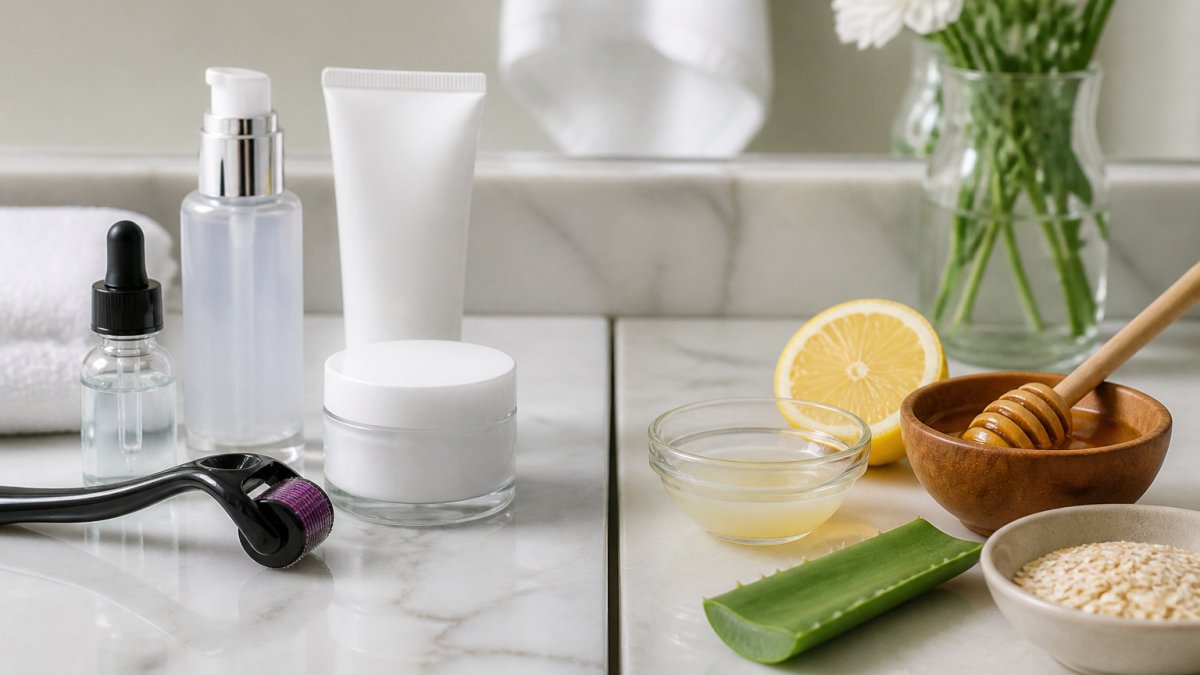
- Aloe vera: Evidence is limited and mostly relates to soothing and hydration, not pigment fading. Reasonable as a gentle, low-risk moisturizer, expect calmer skin, not spot removal.
- Lemon juice: A common DIY pick, but it is acidic and photosensitizing. Applied before sun exposure, it can irritate skin and increase UV sensitivity, deepening the very spots you are trying to lighten. Evidence for fading pigment is weak; irritation risk is real.
- Apple cider vinegar: Popular online, yet it can burn or irritate skin, especially on the face. No strong evidence it fades sun spot pigment, and undiluted use commonly causes chemical irritation.
- Turmeric: Sometimes mixed into masks, but it can stain skin and trigger reactions in sensitive people. Evidence for pigment fading is anecdotal.
Why Most Home Remedies Cannot Reach the Pigment
Sun spot pigment sits in living skin cells, not on top of them. A surface treatment, a mask, a juice dab, a vinegar rinse, acts on the outermost layer, which is mostly dead skin. That is why even a remedy that seems to work in the first week often plateaus: it affects surface tone, not the melanin deposits underneath. This mechanism explains why home remedies for age spots rarely deliver dramatic change.
At-Home Dark Spot Correctors and Serums
At-home dark spot correctors and serums are a stronger middle path between DIY remedies and in-office procedures. Good Housekeeping's roundup of dark spot correctors, based on Beauty Lab testing, highlights dermatologist-recommended brands and options for mature skin.
The ingredients that carry the most support are:
- Vitamin C: An antioxidant that can brighten skin and even tone with consistent use.
- Retinoids: Speed cell turnover and can gradually fade discoloration, but cause dryness and sun sensitivity.
- Hydroquinone: A bleaching agent available in some over-the-counter strengths, with stronger versions by prescription.
- Niacinamide: Helps calm skin and can reduce the appearance of uneven tone.
A serum is not a quick fix. Expect weeks to months of daily use, plus sunscreen every morning, before judging results. If nothing changes after three months of consistent use, reassess with a professional rather than adding more products.
If you want to test a home remedy safely, patch-test it on your inner forearm for 48 hours first, and never apply a photosensitizing ingredient before sun exposure. Pair any at-home routine with broad-spectrum sunscreen every morning, without it, you are working against yourself.
Laser Treatment for Sun Spots: What to Expect
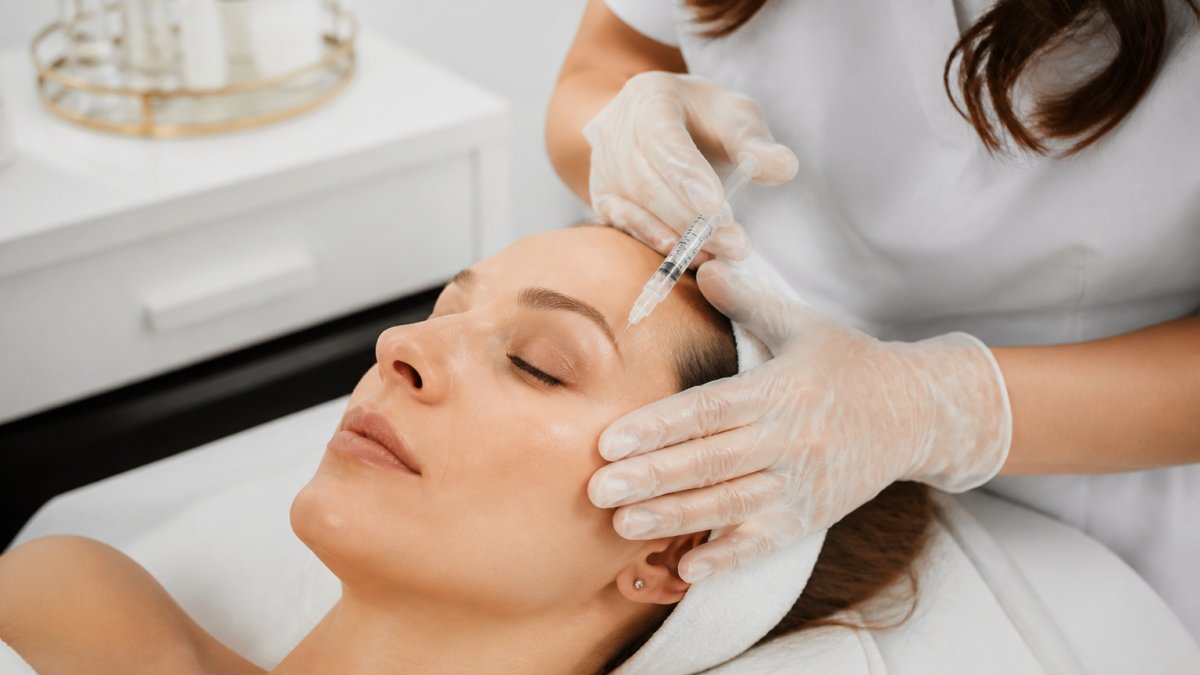
The trade-offs are cost, downtime, and suitability. A session may leave skin red or lightly scabbed for several days, and darker skin tones need a provider experienced with pigment lasers to avoid post-inflammatory hyperpigmentation.
At Lumyn Medspa, we use advanced technology like Candela Nordlys® for laser skin rejuvenation, and we build a customized treatment plan around your skin tone and goals.
Chemical Peel for Sun Spots: Benefits and Limitations
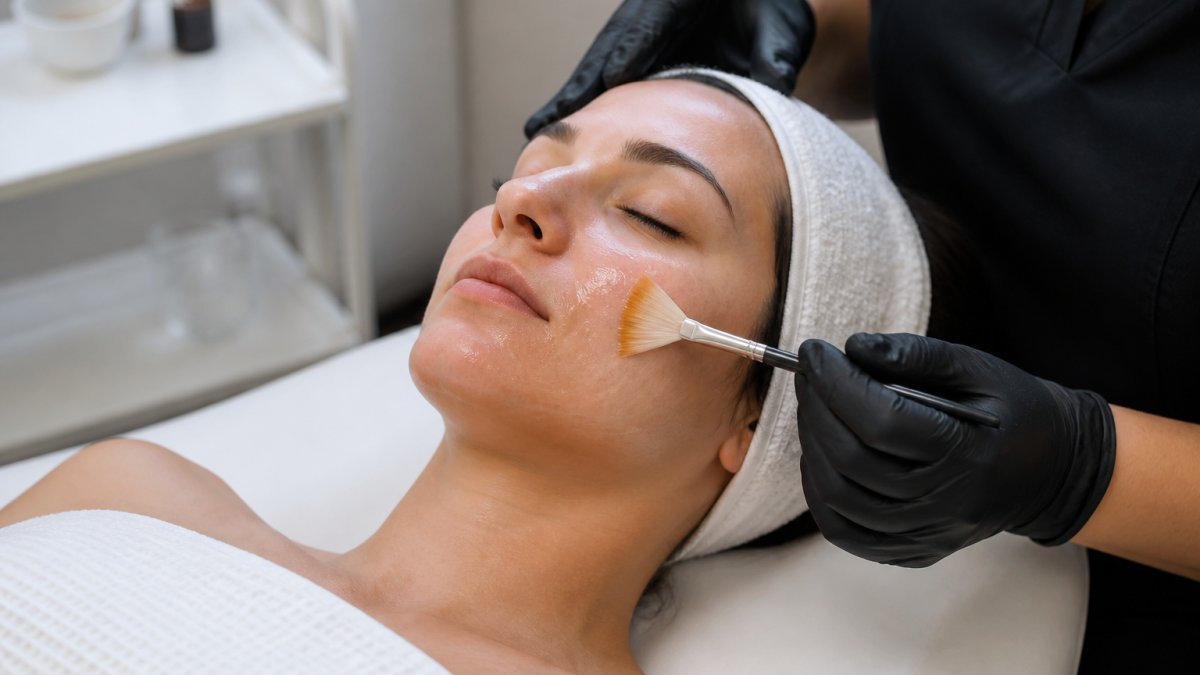
A chemical peel for sun spots exfoliates the top layers of skin, lightening surface discoloration and improving texture.
What peels do well: even out tone, soften fine lines, and brighten dull skin over a series of sessions.
Microdermabrasion and microneedling are related options. Healthline lists microdermabrasion among dermatological treatments for facial sunspots, and it works best for surface-level discoloration rather than deep pigment.
Sun Spot Treatment Results and Risks: A Side-by-Side Look
Sun spot treatment results and risks vary widely by method, and matching the option to your skin, budget, and timeline matters more than chasing the strongest-sounding treatment. Patients who understand the full picture, speed, sessions, recovery, cost, and recurrence risk, stay happiest with their outcome.
Here is how the main paths compare on the variables that actually drive the decision.
| Method | Typical Timeline | Sessions | Downtime | Cost Structure | Recurrence Risk | Main Risk |
|---|---|---|---|---|---|---|
| DIY home remedies | Months | Daily use | None | Lowest (pantry or drugstore items) | High without sun protection | Irritation, photosensitivity, worsening pigment |
| OTC dark spot serums | Weeks to months | Daily use | None | Low to moderate, recurring | High without sun protection | Dryness, sensitivity, slow visible change |
| Prescription topicals | Weeks to months | Daily use | Mild flaking or redness | Moderate, recurring | Moderate with maintenance | Irritation, rebound pigment if stopped abruptly |
| Chemical peel | Weeks | Series of sessions | Several days of peeling | Per-session, varies by depth and provider | Moderate | Redness, sun sensitivity, PIH in deeper tones |
| Microdermabrasion / microneedling | Weeks | Series of sessions | 1-2 days of redness | Per-session, varies by provider | Moderate | Surface-only results, temporary irritation |
| Cryotherapy | Days to weeks | 1 session per spot | A few days of crusting | Per-spot | Moderate | Blistering, lightening or darkening of treated skin |
| Laser / light therapy | Days to weeks | 1-2+ | Several days of redness or light scabbing | Highest, per-session | Lower with sun protection | Pigment changes, especially in deeper skin tones |
Timelines, Durability, and Skin Tone Considerations
Professional treatments generally act faster and last longer than home remedies, but durability depends on sun protection, not just the procedure. Without daily sunscreen, new sun spots can form and treated areas can darken again, a laser result that looks perfect in month one can look faded by month twelve.
Skin tone is the other variable. People with deeper skin tones face a higher risk of post-inflammatory hyperpigmentation, where the treatment itself triggers new dark patches (pubmed.ncbi.nlm.nih.gov).
The Safety Step Most Comparisons Skip
Before any of these options, confirm the spot is benign. A changing, irregular, bleeding, or non-healing lesion needs a medical evaluation, not a cosmetic treatment. The American Academy of Dermatology recommends an annual skin exam and advises checking for spots that are asymmetric, have irregular borders, contain multiple colors, or change in size, shape, or sensation. Treating a suspicious lesion with a cosmetic product can delay a diagnosis that matters far more than fading a mark.
A Practical Decision Framework
Work through these questions in order, and the right path usually becomes obvious:
- Is the spot changing, bleeding, or irregular? Stop here and get a medical evaluation first.
- How fast do you need results? Days to weeks points to laser or cryotherapy; months points to topicals or home care.
- What downtime can you accept? None rules out deeper peels and lasers; several days opens them up.
- What is your skin tone? Deeper tones raise PIH risk and favor providers with pigment-laser experience.
Speed, cost, downtime, and durability trade off against each other, and every one of them is wasted without daily sunscreen. Pick the path that fits your skin tone and your willingness to maintain it, not the one with the strongest marketing.
Building a Combined Treatment and Prevention Plan
The most effective approach usually combines a professional treatment with a consistent home routine. A professional procedure can clear existing pigment, while daily care maintains the result and prevents new spots.
A practical plan looks like this:
- Get a skin exam to confirm spots are benign before treating them.
- Book a consultation to match treatment to your skin tone and goals.
- Use a broad-spectrum sunscreen every morning, reapplying through the day.
- Add a vitamin C or retinoid serum to your nightly routine.
- Reassess with your provider every few months and adjust.
This is where a customized plan beats a one-size-fits-all product. At Lumyn Medspa, we combine treatments like laser rejuvenation with a home-care routine tailored to your skin, so results hold up over time.
Conclusion: Choosing the Right Path for Your Skin
Sun spots respond best to a plan built around your skin, not a single product or procedure. Home remedies are gentle but slow, serums help with consistency, and professional treatments deliver faster, longer-lasting change when matched to your skin tone.
If you want results that last and a routine that protects them, book a consultation at Lumyn Medspa. Our team offers customized treatment plans, advanced technology like Candela Nordlys®, and a full range of services from laser rejuvenation to wellness management.
Frequently Asked Questions
Can home remedies fade sun spots?
Some home remedies may gradually lighten the appearance of sun spots, but results are typically slower and less dramatic than professional options. Aloe vera, for example, is sometimes applied directly to spots, though the supplied research does not establish strong evidence for its effectiveness. At-home dark spot correctors containing ingredients like vitamin C or retinoids may help over weeks to months. For faster, more consistent results, a dermatologist can recommend treatments matched to your skin type and the depth of your pigmentation.
What professional treatments can reduce sun spots?
Dermatologists offer several in-office options for sun spots, including laser treatment, chemical peels, microdermabrasion, microneedling, and cryotherapy. The American Academy of Dermatology notes that laser treatment can address age spots in one or two sessions, with results that may last longer than some alternatives. Chemical peels and microdermabrasion exfoliate pigmented layers of skin. A consultation helps determine which approach suits your skin tone, sensitivity, and how much downtime you can manage.
How do laser treatments compare with topical products for sun spots?
Laser treatment for sun spots is performed by a dermatologist and the AAD describes it as quick, often requiring only one or two sessions. Topical products like dark spot correctors and serums work gradually, typically over weeks to months, and require consistent daily use. Lasers may carry a higher upfront cost and some recovery time, while topicals are gentler and easier to fit into a routine. The right choice depends on how quickly you want results, your budget, and your skin's tolerance for irritation.
When should a dark spot be checked by a dermatologist?
Any spot that changes in size, shape, or color, bleeds, itches, or does not heal should be evaluated by a dermatologist before you attempt treatment. Sun spots, also called solar lentigines, are generally harmless, but they can resemble other skin lesions that need medical attention. A dermatologist can distinguish between benign pigmentation and something that requires further examination. Getting a professional assessment first ensures you treat the right concern safely.
How long does it take for sun spot treatments to work?
Timelines vary by treatment type. The AAD indicates laser treatment can address age spots in one or two sessions, with results appearing as the skin heals. Chemical peels and microdermabrasion may require multiple sessions spaced weeks apart. At-home topicals like dark spot correctors and serums typically take several weeks to months of consistent use before noticeable fading. Sun protection during and after any treatment is essential to prevent new spots from forming and to protect your results.