 comparison
Natural Alternatives to Aesthetic Fillers for Volume
Table of Contents
- How to Increase Facial Volume Without Fillers
- Facial Fat Transfer for Volume: How Autologous Fat Transfer Works
- Biostimulatory Fillers vs Traditional Fillers: Poly-L-Lactic Acid and Calcium Hydroxylapatite
- How to Add Volume Under Eyes Naturally
- Lifestyle and Nutritional Support for Collagen Production
- Cost-Benefit Analysis Over a 5-Year Period
- Contraindications and Safety Considerations for Specific Skin Types
- Conclusion: Choosing the Right Natural Volume Restoration Approach
- Frequently Asked Questions
Last Updated: October 8, 2026
How to Increase Facial Volume Without Fillers
Facial volume loss is one of the most visible signs of aging, and more patients are asking for natural alternatives to aesthetic fillers for volume.
The best option depends on how much volume you have lost, where it sits, and how much downtime you can accept.
Facial volume restoration rebuilds lost structural support in the cheeks, temples, and mid-face using your own tissue, collagen-stimulating agents, or energy-based devices.
"Natural" means two things here: the material is biological (your own fat or blood), or the result looks natural even though the product is synthetic.
Biostimulatory Injectables: Collagen Induction vs. Synthetic Volume
Biostimulatory injectables do not fill a space directly. They prompt your body to build its own collagen, gradually restoring firmness and structural support over months.
This is the clearest split in the category:
- Collagen induction: Poly-L-lactic acid (Sculptra) and calcium hydroxylapatite work by triggering new collagen. Results build slowly and look subtle.
- Synthetic volume: Traditional hyaluronic acid fillers add immediate volume but are absorbed over time.
A common mistake is expecting an instant result from a biostimulatory product; patients who understand the timeline are happier.
Energy-Based Devices for Structural Support
Energy-based devices tighten skin and stimulate collagen without injection. Fractional radiofrequency microneedling, such as Morpheus8, delivers heat into deeper tissue layers to remodel skin and improve laxity.
These suit mild to moderate volume loss better than significant hollowing, and address skin texture at the same time.
Expect multiple sessions and a few days of redness and swelling, so plan around work commitments.
Facial Fat Transfer for Volume: How Autologous Fat Transfer Works
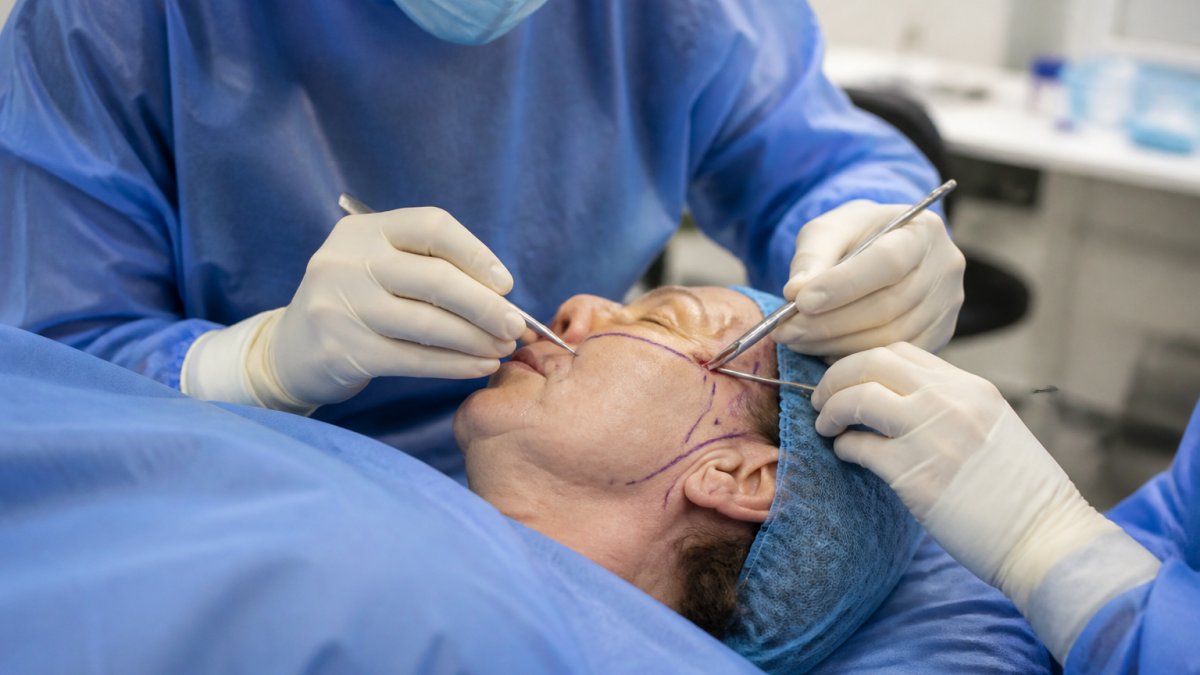
Autologous fat transfer is a surgical procedure that harvests fat from one area of the body, purifies it, and injects it into the face to restore volume.
The process has three stages: harvesting (usually from the abdomen or thighs), processing, and re-injection into the cheeks, temples, or under-eye hollows.
Stage 1: Harvesting
Fat is typically taken from the abdomen, flanks, or thighs using a small cannula and gentle suction. The donor site is numbed with local anesthetic, and the harvest usually takes under an hour. Some patients view the donor-site contouring as a secondary benefit.
Stage 2: Processing
The harvested fat is processed to separate viable fat cells from oil, blood, and fluid. Techniques vary, centrifugation, filtration, or gravity separation, and the method influences how many fat cells survive.
Stage 3: Re-Injection
The purified fat is injected in small amounts, layer by layer, into areas that need volume. Providers typically over-correct slightly, because a portion of the grafted fat will not survive. Fat needs a well-vascularized bed to establish a blood supply and become permanent.
Recovery and Downtime
This is surgery, not a lunchtime treatment. Most patients have swelling and bruising at the donor site and face for one to two weeks, take roughly a week off work, and restrict strenuous exercise for several weeks. The true outcome emerges over three to six months.
Harvested Fat and Longevity Compared to Synthetic Fillers
The appeal of fat grafting is durability: a portion of the transferred fat establishes a blood supply and survives long term, making it more permanent than hyaluronic acid fillers.
The trade-off is unpredictability. Not all grafted fat survives, so a second session is sometimes needed. Retention varies widely, and no one can guarantee a specific percentage; survival depends on harvest, processing, injection technique, and healing response.
Who Is a Good Candidate
Fat transfer tends to work best for patients who:
- Have enough donor fat available for harvest
- Have realistic expectations about the possibility of a second session
- Can accept a week or more of visible recovery
It is generally a poor fit for patients who want no downtime, who want a guaranteed single-session result, or who have medical conditions that make surgery inadvisable.
How Skin Type and Age Affect the Outcome
Fat transfer restores volume but does not tighten skin. Good skin elasticity usually means a smoother, more natural result because skin drapes well over new volume.
Age matters less than skin quality: a patient in their 50s with good elasticity may be a better candidate than one in their 40s with significant sun damage and laxity.
Biostimulatory Fillers vs Traditional Fillers: Poly-L-Lactic Acid and Calcium Hydroxylapatite
Biostimulatory fillers build collagen over time; traditional fillers add volume immediately. That difference drives the timeline, number of visits, cost curve, and who each option suits.
| Feature | Biostimulatory (PLLA, CaHA) | Traditional (HA) |
|---|---|---|
| Onset of results | Gradual, over weeks to months | Immediate |
| Mechanism | Collagen induction | Direct volume replacement |
| Longevity | Often longer-lasting | Absorbed over time |
| Sessions needed | Typically multiple | Often single |
| Best for | Structural rejuvenation | Quick correction |
How Poly-L-Lactic Acid Works
Poly-L-lactic acid (PLLA) is a synthetic, biodegradable polymer used in dissolvable sutures and medical implants for decades. Injected into deeper facial layers, it breaks down gradually, triggering a controlled inflammatory response that prompts fibroblasts to lay down new collagen.
Because the effect is your own collagen, results build slowly.
How Calcium Hydroxylapatite Works
Calcium hydroxylapatite (CaHA) is a mineral compound chemically similar to the calcium in bone and teeth.
That dual action, volume now, more collagen later, is why CaHA sits between a traditional filler and a pure biostimulator. It is used for structural areas like the cheeks and jawline rather than fine lines.
Where Traditional Hyaluronic Acid Fillers Fit
Hyaluronic acid (HA) fillers are the most common injectable in the category. They add volume directly and immediately, and because HA occurs naturally in skin, the body breaks it down over time.
The practical advantage is reversibility: if a patient is unhappy, the enzyme hyaluronidase can dissolve HA filler.
Which One Fits Which Patient
Neither is "better." The right choice depends on what the patient is actually trying to achieve:
- If you want a subtle, long-arc improvement and can accept that nobody will notice a dramatic change next week, a biostimulatory product makes sense.
- If you have an event next month, a traditional HA filler is the only option that delivers visible volume on that timeline.
- If you have significant hollowing in the temples or mid-face, a biostimulator used over multiple sessions can rebuild structural support more gradually than repeated HA top-ups.
The Long-Term Cost Curve
Over five years, HA fillers are absorbed and require repeat sessions, so cost compounds annually. Biostimulatory injectables cost more per session but often need fewer maintenance visits once the collagen response matures.
Run the math honestly:
- Estimate the number of sessions each option needs per year
- Multiply by the per-session cost your provider quotes
- Add downtime cost, meaning lost workdays or events you avoid
At Lumyn Medspa, we build customized treatment plans so patients can see the projected timeline and cost before committing to anything.
How to Add Volume Under Eyes Naturally
The under-eye area is the hardest region to treat well: the skin is thin and hollow contours show every imperfection. Adding volume under eyes naturally usually means using your own biological material rather than synthetic filler.
Platelet-Rich Fibrin and Autologous Bio-Fillers
Platelet-rich fibrin (PRF) is derived from your own blood and used as an autologous bio-filler. Products like EZGel PRF are designed for gradual tissue regeneration rather than immediate filling.
The advantage is biological: because the material comes from you, allergic reaction risk is essentially removed. The drawback is a blood draw, processing time, and gradual results.
Lifestyle and Nutritional Support for Collagen Production
No cream or supplement replaces lost structural volume, but collagen production depends on the raw materials your body has available.
Protein intake matters most: collagen is a protein, and low-protein diets give your body less to work with. Vitamin C supports normal collagen formation, and hydration supports skin quality generally.
- Prioritize protein at every meal rather than once a day
- Include vitamin C sources daily
- Limit smoking and excess alcohol, both of which work against skin firmness
Cost-Benefit Analysis Over a 5-Year Period
The cheapest option per session is rarely the cheapest over five years. Run the math honestly:
- Estimate the number of sessions each option needs per year
- Multiply by the per-session cost your provider quotes
- Add downtime cost, meaning lost workdays or events you avoid
At Lumyn Medspa, we build customized treatment plans so patients can see the projected timeline and cost before committing to anything. Pricing depends on the treatment, the number of sessions, and your individual plan, so we quote after a consultation rather than publishing a flat rate.
Contraindications and Safety Considerations for Specific Skin Types
Not every option suits every patient; skin type and medical history both matter.
Fat transfer carries surgical risks, including infection, swelling, and asymmetry. Energy-based devices may not suit patients prone to hyperpigmentation, because heat can trigger post-inflammatory pigment changes in darker skin tones.
Be honest with your provider about:
- History of cold sores or skin infections
- Autoimmune conditions or immunosuppressive medication
- Tendency toward keloid scarring or hyperpigmentation
A qualified provider will screen for these before recommending anything. If a clinic skips that conversation, treat it as a warning sign.
Conclusion: Choosing the Right Natural Volume Restoration Approach
The right approach comes down to three questions: how much volume you have lost, how much downtime you can accept, and whether you want gradual collagen remodeling or a more durable result.
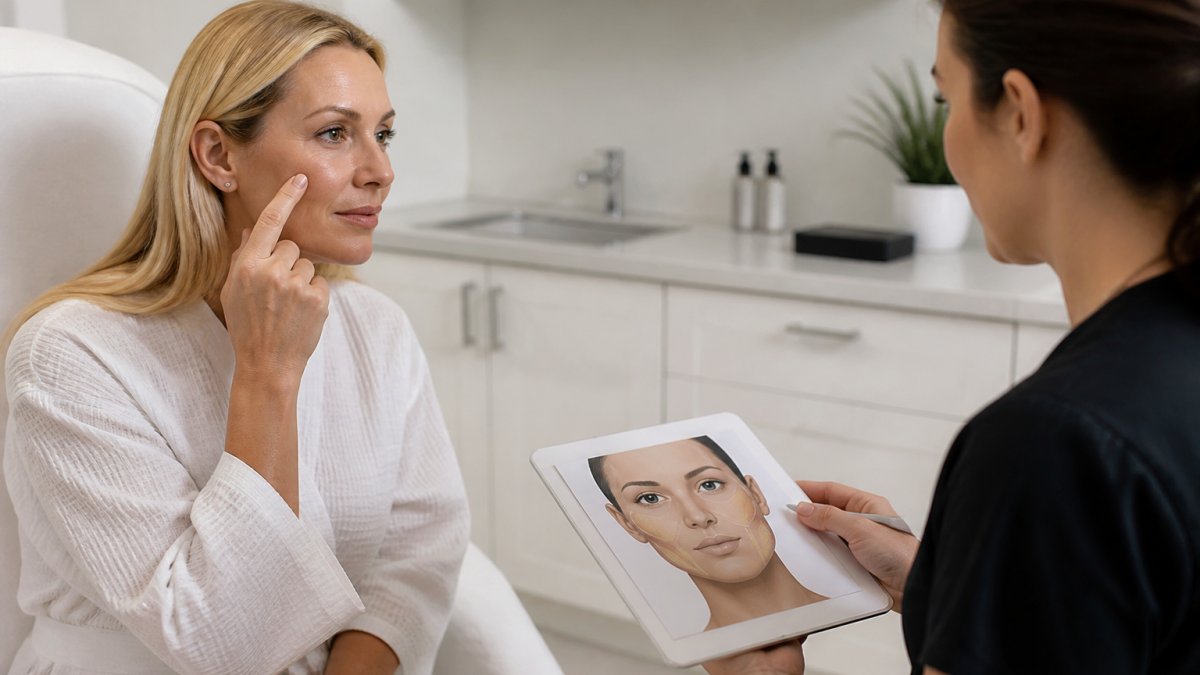
Deciding between collagen induction, fat transfer, and energy-based tightening is genuinely difficult without a trained eye assessing your facial structure.
Frequently Asked Questions
How to increase facial volume without fillers?
Several approaches can restore facial volume without traditional hyaluronic acid fillers. Biostimulatory injectables like poly-L-lactic acid (Sculptra) and calcium hydroxylapatite prompt your body to produce its own collagen over several months. Energy-based devices such as Morpheus8 combine microneedling with radiofrequency to tighten skin and stimulate collagen. Facial fat transfer, also called autologous fat transfer, uses your own harvested fat for structural support. Each option has different downtime, longevity, and candidacy requirements, so a consultation with a qualified provider is the best way to match a method to your specific volume loss pattern.
Is fat transfer a natural alternative to facial fillers?
Yes. Facial fat transfer for volume uses your own adipose tissue, harvested from an area like the abdomen or thighs and re-injected into the face. Because the material is autologous, there is no risk of allergic reaction to a synthetic substance. Results can be long-lasting, though some of the transferred fat may be reabsorbed, and a portion of patients may need a second session. It is a surgical procedure, so it involves recovery time and potential swelling, unlike non-invasive options such as biostimulatory injectables or radiofrequency microneedling.
How to add volume under eyes naturally?
Under-eye hollowing is one of the most delicate areas to treat. Options include platelet-rich fibrin (PRF) bio-fillers, which use your own blood components to support tissue regeneration, and biostimulatory injectables that encourage collagen production over time. Some providers use low-viscosity hyaluronic acid fillers placed deep to avoid lumps, but this requires an experienced injector. Energy-based devices can improve skin quality but do not replace lost structural volume. Because the under-eye area is thin and prone to complications, always seek a licensed provider with specific experience in periorbital treatments.
What are biostimulatory fillers vs traditional fillers?
Traditional fillers, most commonly hyaluronic acid, add immediate volume by physically occupying space in the tissue. Biostimulatory fillers like poly-L-lactic acid and calcium hydroxylapatite work differently: they trigger your body's own collagen production, so results develop gradually over weeks to months. Biostimulatory options tend to last longer than standard hyaluronic acid fillers, but they are not reversible and require multiple sessions for optimal results. Traditional fillers offer instant correction and can be dissolved if needed. Your choice depends on whether you prioritize immediate results or gradual, longer-term structural improvement.
Can facial exercises restore lost facial volume?
Facial exercises can improve muscle tone and may support skin quality, but they do not replace lost subcutaneous fat or restore structural volume. Volume loss with age occurs in deep fat compartments and bone, which exercises cannot rebuild. For mild skin laxity, exercises may complement other treatments. For noticeable hollowing or sagging, procedures such as biostimulatory injectables, fat grafting, or energy-based devices address the underlying structural changes. A licensed provider can assess whether your concerns are primarily skin quality, muscle tone, or volume loss, and recommend accordingly.