 comparison
Cryotherapy San Antonio: 2026 Provider Review & Costs
Table of Contents
- Cryotherapy San Antonio: How Local Providers Compare
- Whole Body Cryotherapy: What to Expect in the Chamber
- Cryotherapy Session Cost: What Drives the Price
- Cryotherapy vs. Ice Bath: Key Differences and Recovery Goals
- Cryotherapy Provider Safety: Screening, Contraindications, and Credentials
- Localized Cryotherapy, Cryo Facials, and Other Specialty Treatments
- What Research Says About Cryotherapy Benefits and Limits
- Conclusion: Choosing the Right Cryotherapy Option for You
- Frequently Asked Questions
Last Updated: October 12, 2026
Cryotherapy San Antonio: How Local Providers Compare
Cryotherapy San Antonio options range from dedicated wellness centers to chiropractic offices, and the differences between them matter more than the shared "cold" in their names. This guide from Lumyn Medspa breaks down who offers what, how pricing works, and which questions to ask before your first session.
Whole-body cryotherapy is a short exposure to extremely cold, dry air, typically in a chamber or cryosauna, used for recovery, pain management, and general wellness.
The field has grown quickly. Most sessions last only two to three minutes, which surprises first-timers who expect a long, uncomfortable ordeal. Below, we compare verified local providers, explain what drives cost, and cover safety so you can choose with clear expectations.
| Provider | Treatments Offered | Pricing Transparency | Best For |
|---|---|---|---|
| Lumyn Medspa | Wellness and recovery services, customized treatment plans | Contact for pricing | Clients wanting a full aesthetic and wellness plan |
| Total Regen Cryo | Whole-body, facial, localized cryotherapy | Memberships listed, amounts not shown | Comparing multiple cryotherapy types in one place |
| Restore Hyper Wellness - Sonterra | Local and whole-body cryotherapy | Contact for pricing | Booking a single local or whole-body session |
| bioworX Alamo Heights | Cryotherapy and recovery services | Contact for pricing | Alamo Heights-area recovery visits |
| Dr. Golab DC Cryotherapy | Cryotherapy with chiropractic or massage | Session and package prices listed | Comparing per-session and package pricing |
What most comparison pages miss is the pricing gap. One provider publishes exact session rates while others ask you to call. That single difference changes how easily you can budget for weekly sessions.
Whole Body Cryotherapy: What to Expect in the Chamber
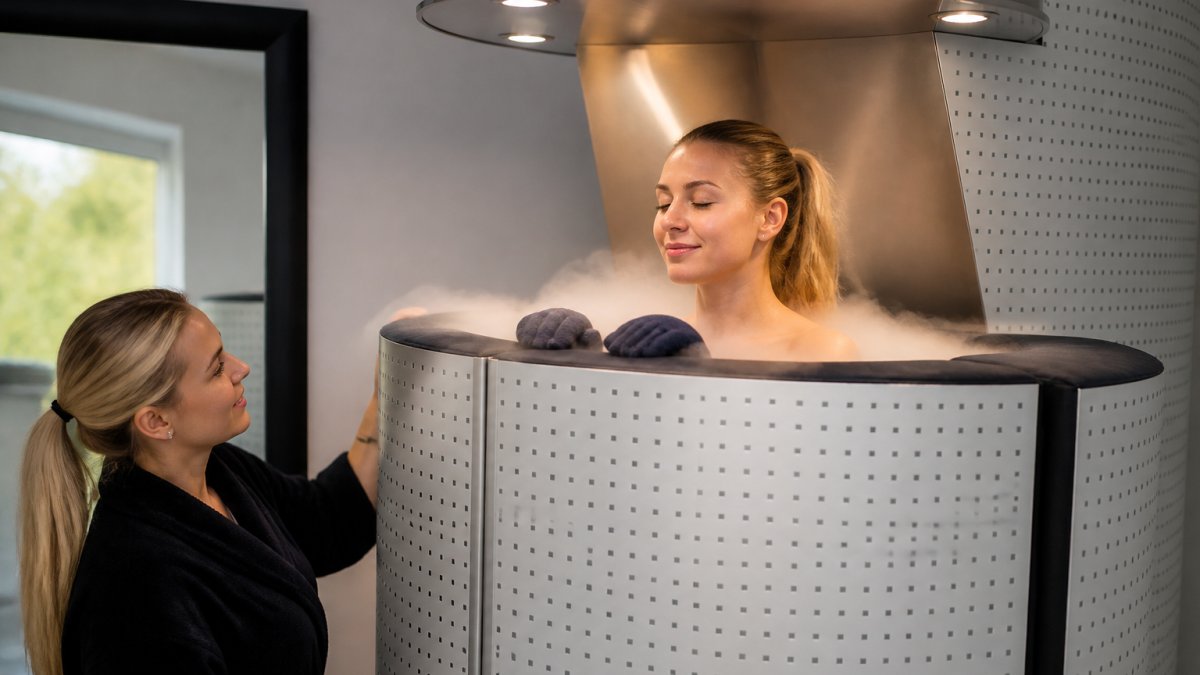
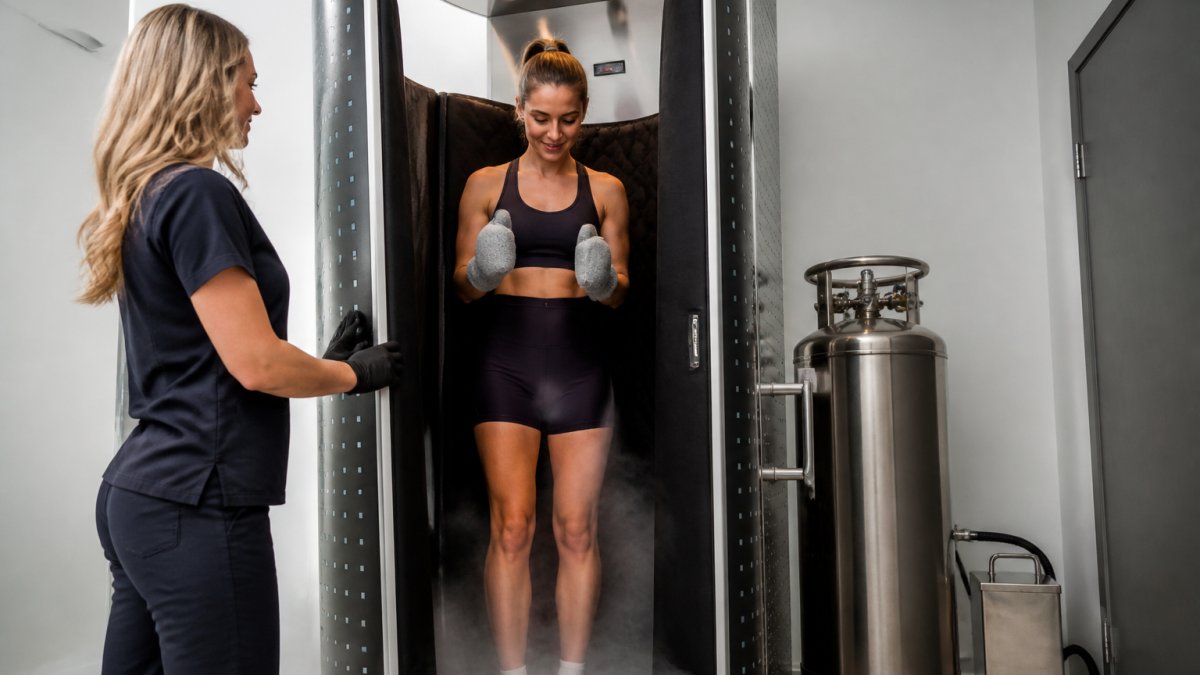
A whole-body cryotherapy session lasts about three minutes. You stand in a chamber or cryosauna wearing protective gloves, wool socks, and minimal clothing, while cooled air circulates around you. A technician stays nearby the entire time.
The cold is dry, not wet, which is why it feels different from an ice bath. Most people describe a sharp chill on the skin followed by numbness. You can step out at any point.
Cryotherapy Session Cost: What Drives the Price
Cryotherapy session cost depends on the provider, the treatment type, and whether you buy a single visit or a package. Among local options, Dr. Golab DC lists a single session at $35, a session scheduled with chiropractic or massage at $30, and a five-session package at $165. Other San Antonio providers list memberships but do not publish amounts, so you will need to call or check their site.
Three factors move the price most:
- Treatment type. Localized cryotherapy often costs less than whole-body sessions.
- Volume. Packages and monthly memberships lower the per-session rate.
- Bundling. Pairing cryotherapy with another service, such as massage, can reduce the session price.
For Lumyn Medspa's wellness management services, pricing depends on your customized treatment plan, so we recommend booking a consultation for current rates.
Cryotherapy vs. Ice Bath: Key Differences and Recovery Goals
Cryotherapy vs. ice bath comes down to temperature, duration, and how the cold reaches your body. An ice bath submerges you in water near freezing for several minutes or longer. Whole-body cryotherapy surrounds you with dry air cooled far below that, usually for under three minutes.
The practical differences:
- Dry vs. wet cold. Dry air feels less shocking on the skin, so sessions are shorter.
- Time commitment. A cryotherapy session fits into a lunch break; an ice bath often takes longer to recover from.
- Control. A technician monitors a cryotherapy session and can adjust or stop it.
For muscle recovery and post-workout soreness, many athletes rotate between the two based on convenience. Neither replaces rest, hydration, and a sensible training plan.
Cryotherapy Provider Safety: Screening, Contraindications, and Credentials
Cryotherapy provider safety starts with screening. A responsible provider asks about your health history before your first session and explains the contraindications, which commonly include pregnancy, uncontrolled high blood pressure, heart conditions, and circulation disorders. If a provider skips this step, treat it as a warning sign.
Credentials matter too. Ask who operates the equipment and what training they have. The U.S. Food and Drug Administration guidance on medical device use is a useful reference for understanding how cryotherapy equipment is regulated and what claims are permitted.
Localized Cryotherapy, Cryo Facials, and Other Specialty Treatments
Not every cryotherapy session is a three-minute stand in a chamber. Localized and facial treatments use the same principle, controlled cold, but apply it differently, and the differences change what the session feels like, how long it takes, and what it is realistically good for.
Localized cryotherapy. A technician uses a handheld device that directs a narrow stream of cooled air at one area, such as a knee, shoulder, lower back, or a single muscle group. Sessions typically run one to three minutes per spot and often cost less than a whole-body session because less equipment and time are involved.
Cryo facials. A cryo facial applies cold to the face and neck, either with a cooled wand, a chilled roller, or a brief burst of cold air. Sessions usually last five to ten minutes. Providers position it as a way to reduce puffiness, tighten the look of the skin temporarily, and support a refreshed appearance before an event.
How the equipment differs. Two things vary most between providers:
- Cooling method. Some chambers and localized devices use nitrogen-cooled air; others use electric refrigeration. Nitrogen systems tend to reach lower temperatures faster, while electric systems avoid any nitrogen exposure and are common in smaller clinics. Ask which system a provider runs and who services it.
- Delivery format. Whole-body chambers enclose the body with the head exposed; cryosaunas are open at the top and let you keep your head clear; localized devices are handheld. Each format changes how much skin is exposed and how the technician monitors you.
Complementary services often bundled with cryotherapy. Red light therapy, compression therapy, IV drips, and body sculpting are frequently offered alongside cryotherapy because they target recovery and wellness from different angles. Bundling can lower the per-service price, but it also makes it harder to tell which service is doing what. If you are testing whether cryotherapy helps you, start with cryotherapy alone for a few sessions before adding anything else.
If you are already considering aesthetic treatments, Lumyn Medspa offers a range of services and can help you decide which combination fits your goals, and which ones are worth skipping.
What Research Says About Cryotherapy Benefits and Limits
Most ranking pages on this topic repeat benefit claims without telling you how strong the evidence actually is. Here is a more honest read.
What the research supports reasonably well. Cold exposure in general, ice baths, cold packs, and cryotherapy, is widely used for short-term relief of muscle soreness and for reducing the sensation of pain after intense exercise. Many practitioners find that athletes report feeling better and recovering more comfortably after cold exposure, and that effect is consistent enough to be useful even if the underlying mechanism is debated.
What remains uncertain. Whether whole-body cryotherapy produces benefits beyond a placebo effect is still an open question. Several reviews have found that when subjects know whether they received real treatment or a sham, the reported benefits shrink. The National Center for Complementary and Integrative Health overview of cryotherapy notes that research is ongoing and that claims should be weighed carefully.
What is not established. Cryotherapy is not a treatment for chronic disease, arthritis, depression, weight loss, or immune function. Providers who market it that way are going beyond what the evidence shows. It also does not replace physical therapy, medical care, or a sensible training plan.
A practical framework for judging claims. When you read or hear a cryotherapy claim, ask:
- Is it about feeling or about a measured outcome? 'I felt less sore' is a real and reasonable benefit. 'It reduces inflammation markers' is a lab claim that needs a study behind it.
- Is it about short-term or long-term? Most credible benefits are short-term and repeat with each session.
- Is the source selling something? A provider can describe what clients report; a provider claiming to cure a condition is a different matter.
- Does it match your goal? If your goal is to feel better after training, the bar is low and cryotherapy may clear it. If your goal is to treat a medical condition, the bar is higher and cryotherapy likely does not.
Setting realistic expectations. A reasonable way to approach cryotherapy is as a comfort and recovery tool: it may help you feel better after training, ease temporary soreness, and give you a structured recovery ritual. It is not a cure, and it is not a substitute for medical care.
Conclusion: Choosing the Right Cryotherapy Option for You
Choosing well comes down to three things: verified pricing, a provider who screens you properly, and realistic expectations about what cold therapy can and cannot do. Start with a single session, ask about equipment and credentials, and judge how your body responds before committing to a membership. Rigorous standards for choosing a med spa ensure that your health remains the primary focus throughout any wellness journey.
At Lumyn Medspa, we build customized treatment plans that combine wellness and recovery services with our aesthetic offerings, including advanced technology like Candela Nordlys®. If you want a provider who explains the trade-offs before you book, our team is ready to help. Book your consultation with Lumyn Medspa and get a plan built around your goals.
Frequently Asked Questions
Is cryotherapy the same as ice baths?
No. Cryotherapy uses cold air or gas in a chamber or localized device, while ice baths involve immersion in cold water. Whole body cryotherapy sessions typically last two to three minutes, whereas ice baths often require 10 to 15 minutes. The two approaches differ in temperature, duration, and how they affect the body. Cryotherapy vs. ice bath is a common comparison, but they are distinct treatments with different protocols and recovery experiences.
How much do cryotherapy sessions cost in San Antonio?
Cryotherapy session cost varies by provider and treatment type. Whole body sessions often cost more than localized treatments. Some local providers list per-session prices and packages, but many do not publish rates online. Pricing depends on the provider, session length, and whether you buy a membership or package. For the most accurate cryotherapy session cost, contact each provider directly or check their website for current pricing.
What should I look for when choosing a cryotherapy provider?
Prioritize cryotherapy provider safety. Look for trained staff, clear screening for contraindications, and well-maintained equipment. Ask about session protocols, emergency procedures, and whether a consultation is required. A reputable provider will explain risks and benefits honestly and never guarantee outcomes. Verify that the center follows safety guidelines and that staff are qualified to operate the equipment. If a provider cannot answer your safety questions, consider another option.
How long does a cryotherapy session take?
A whole body cryotherapy session typically lasts two to three minutes. Localized cryotherapy may take five to ten minutes, depending on the area treated. Cryo facials usually run about ten minutes. Including check-in and changing time, plan for 15 to 30 minutes per visit. Many providers recommend multiple weekly sessions for ongoing recovery or wellness goals, but frequency depends on your individual needs and provider guidance.
Are cryotherapy services offered at medical spas?
Some medical spas and wellness centers offer cryotherapy alongside other services like red light therapy, IV therapy, or body sculpting. Availability varies by location. In San Antonio, cryotherapy is available at dedicated cryotherapy centers and some medspas. If you are already visiting a medspa for other treatments, ask whether they offer cryotherapy or can refer you to a trusted provider. Combining services may be convenient but always confirm safety and suitability with a qualified professional.