 comparison
Sculptra in San Antonio: Results, Cost & Aftercare
Table of Contents
- What Sculptra Is and How It Works
- Sculptra Cost: Pricing and Treatment Investment
- Sculptra Results Timeline: What to Expect When
- Treatment Areas and Facial Volume Restoration
- Sculptra Aftercare: Recovery, Downtime, and Side Effects
- How to Choose a Qualified Sculptra Provider
- Frequently Asked Questions
Last Updated: October 10, 2026
What Sculptra Is and How It Works
Sculptra San Antonio is a biostimulatory injectable that restores facial volume by stimulating collagen production over time. Unlike traditional fillers that add volume instantly, Sculptra uses poly-L-lactic acid (PLLA) to trigger gradual collagen growth, creating subtle, natural-looking results over several months.
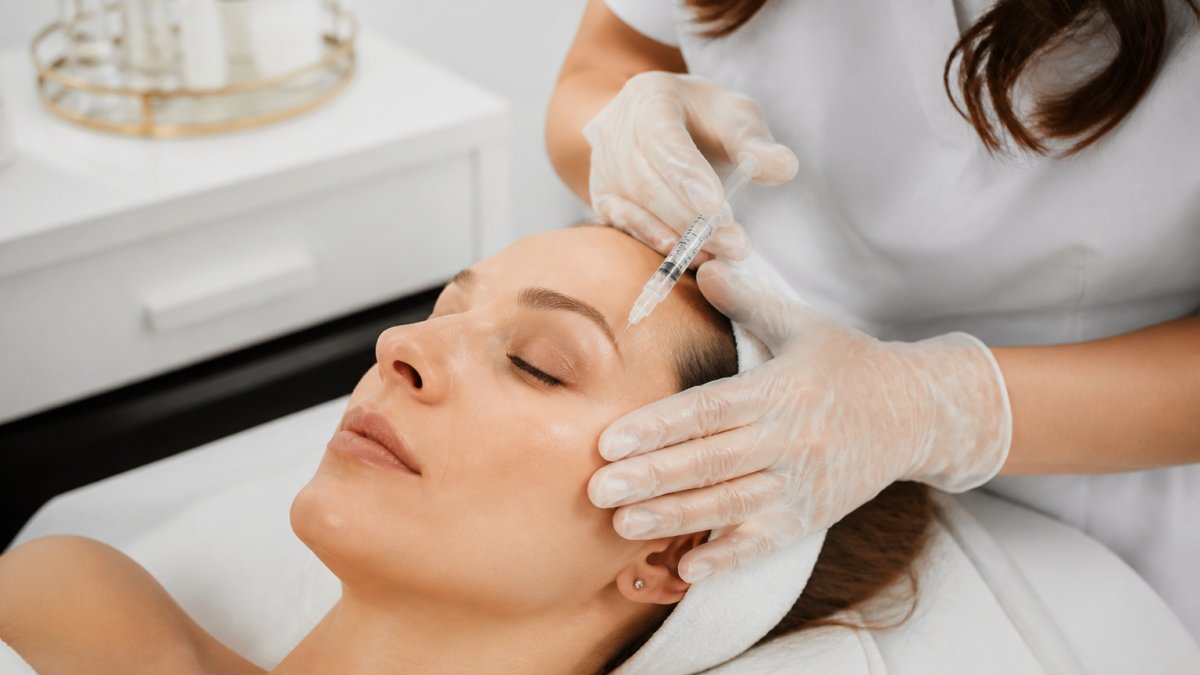
PLLA microspheres are injected into areas with volume loss, triggering your body's healing response to stimulate fibroblasts and produce new collagen for months, improving skin firmness and facial contours.
How Sculptra Differs from Hyaluronic Acid Fillers
Hyaluronic acid fillers like Restylane and Juvéderm add volume immediately and are fully reversible, with results lasting 6-12 months. Sculptra takes a different approach: it rebuilds structural foundation by stimulating collagen production.
Sculptra results appear gradually over 4-12 weeks and continue improving for months. Because it stimulates your own collagen, results last 2 years or longer, roughly twice as long as HA fillers. However, Sculptra is not reversible; PLLA microspheres are gradually metabolized over time.
Choose HA fillers for immediate results and reversibility. Choose Sculptra for significant volume loss and results lasting years, if you're willing to wait 2-3 months for full improvement.
Sculptra vs. Other Collagen Stimulators
Radiesse provides immediate volume plus collagen stimulation with results lasting 12-18 months. Bellafill is permanent, as microspheres don't fully metabolize, making it a long-term commitment.
Sculptra occupies a middle ground: slower than Radiesse, longer-lasting than hyaluronic acid. Most practitioners recommend it for patients seeking natural, gradual improvement and willing to space sessions 4-6 weeks apart.
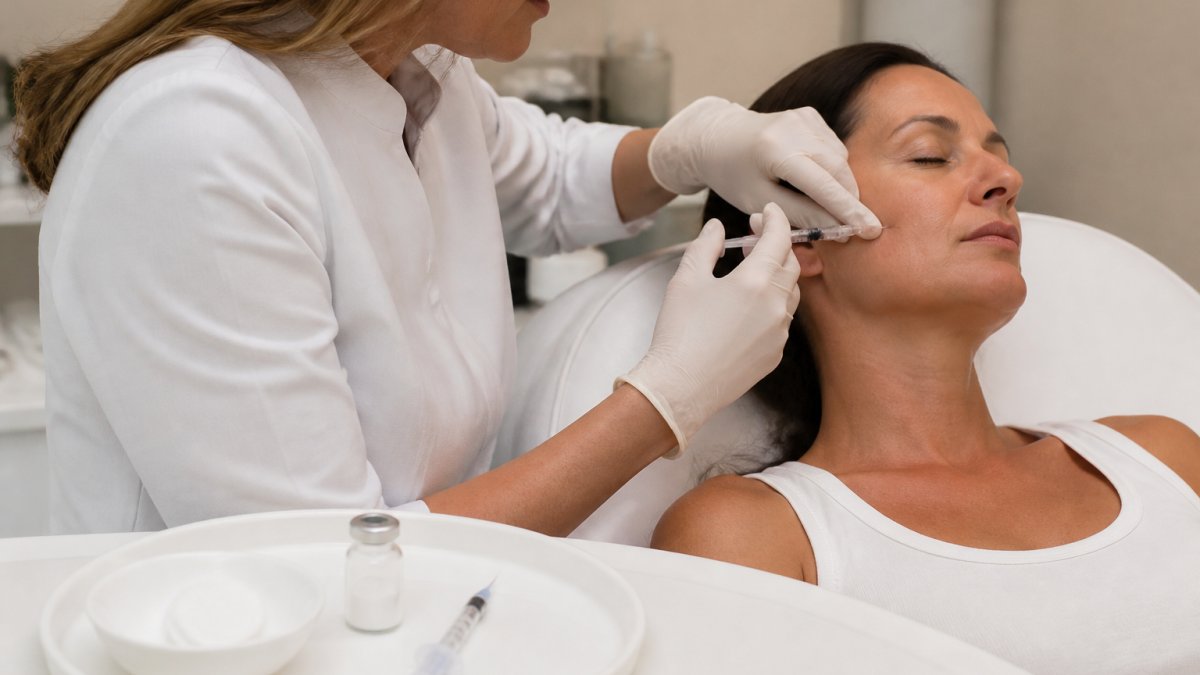
Proper injection technique, correct dilution and depth, ensures even collagen stimulation and minimizes nodule risk. Common treatment areas include cheeks, temples, jawline, and nasolabial folds.
Sculptra Cost: Pricing and Treatment Investment
The cost of Sculptra in San Antonio varies based on the number of vials used and the treatment plan your provider recommends. According to researched local providers, pricing typically ranges from approximately $750 to $1,000 per vial. Some providers offer package pricing: for example, DaVida Aesthetics lists two-vial packages at $1,300 and four-vial packages at $2,250, which offers modest savings compared to per-vial pricing.
A typical session uses 2-4 vials, with the total cost depending on your needs and provider pricing.
Sculptra results last 2 years or longer, making the per-month cost competitive with fillers requiring frequent touch-ups.
| Provider | Per-Vial Cost | Package Options | Best For |
|---|---|---|---|
| DaVida Aesthetics | $750 | 2-vial ($1,300), 4-vial ($2,250) | Transparent package pricing |
| Dr. Annabelle L. Garcia | ~$800 | Consultation-based plan | Physician-directed treatment |
| RejuveMD Med Spa | ~$800 | Per-vial basis | Flexible vial selection |
| Bucay Center | Contact for pricing | Not listed | Certified Sculptra trainer |
Sculptra Results Timeline: What to Expect When
Sculptra results unfold gradually. Collagen stimulation begins within the first few weeks, with noticeable improvement typically appearing around 4-6 weeks post-treatment.
Progressive improvement continues through 8-12 weeks. By three months, cheeks appear fuller, fine lines soften, and contours look more defined, creating natural-looking results that don't announce themselves.

Treatment typically requires 2-3 sessions spaced 4-6 weeks apart. Full benefits may not be apparent until 6-9 months after starting.
Results fade gradually after 18-24 months, but maintenance treatments are less frequent than with traditional fillers. Some patients see lasting improvement even after treatment stops.
Treatment Areas and Facial Volume Restoration
Sculptra works best for significant volume loss. The cheeks are the most common area, as aging causes cheek fat pads to descend and deflate. Temples also benefit, as hollowing contributes to an aged appearance.
The jawline and chin respond well to Sculptra when definition has softened with age. Nasolabial folds (the lines running from nose to mouth) improve when volume loss in the cheeks and mid-face is addressed. Many providers also use Sculptra for the lower face and chin to restore lost definition.
Treatment areas depend on your individual anatomy and aesthetic goals. A thorough consultation allows your provider to assess where volume loss is most significant and where Sculptra will deliver the most natural-looking improvement.
The injection technique varies by treatment area. Deeper injections in the cheek and temple areas stimulate collagen in the mid-face. Shallower injections address fine lines and skin quality in the lower face. Proper technique prevents the nodules and lumps that can occur with incorrect placement.
Sculptra Aftercare: Recovery, Downtime, and Side Effects
Recovery from Sculptra San Antonio is minimal compared to more invasive procedures. Most people experience mild swelling and bruising at injection sites, typically resolving within 3-7 days. Some tenderness or sensitivity at injection sites is normal for 24-48 hours.
The most important aftercare step is massage. Your provider will instruct you to massage treated areas for 5 minutes, five times daily for 5 days after treatment. This massage prevents nodule formation and ensures even distribution of PLLA microspheres.
Common side effects include temporary swelling, bruising, redness, and tenderness at injection sites. These are mild and resolve quickly. More serious complications like nodule formation typically result from improper injection technique or inadequate post-treatment massage. Infection is rare when proper sterile technique is followed.
Avoid strenuous exercise, saunas, and excessive heat for 48 hours after treatment. These activities increase swelling and bruising. You can return to normal activities immediately, including work and social events, though you may prefer to schedule treatment when mild swelling won't affect your schedule.
How to Choose a Qualified Sculptra Provider
Selecting the right Sculptra provider directly affects your results and safety. Look for board-certified dermatologists or plastic surgeons with specific experience administering Sculptra. The FDA's guidance on dermal fillers emphasizes the importance of choosing qualified, licensed practitioners.
Credentials matter. Ask whether your provider is certified in Sculptra administration. Bucay Center for Dermatology and Aesthetics identifies Dr. Vivian Bucay as a certified Sculptra Aesthetic trainer, one of the few in the region with this credential. Trainer certification indicates advanced expertise and ongoing education in the product.
Experience with Sculptra specifically is essential. This product requires different injection techniques than traditional fillers. Ask how many Sculptra treatments your provider has performed and request before-and-after photos of their work. Natural-looking results and satisfied patients are strong indicators of skill.
Who Is a Good Candidate for Sculptra?
Sculptra works best for patients with moderate to significant facial volume loss who are willing to wait 2-3 months for gradual results. Ideal candidates are generally:
- Age 40 and older, though younger patients with significant volume loss may benefit
- Experiencing hollowness in the cheeks, temples, or mid-face
- Seeking natural-looking improvement over dramatic transformation
- In good overall health with realistic expectations about timelines
- Committed to the treatment schedule (typically 2-3 sessions spaced 4-6 weeks apart)
- Able to perform post-treatment massage for 5 days to prevent nodule formation
Patients with mild volume loss or those seeking immediate results are often better served by hyaluronic acid fillers or other options. Sculptra's strength lies in addressing structural volume loss, not fine lines alone.
Contraindications and Who Should Avoid Sculptra
Certain patients should not receive Sculptra. Contraindications include:
- Pregnancy or breastfeeding: The safety of PLLA in pregnancy has not been established; defer treatment until after breastfeeding ends.
- Active skin infection or inflammation: Treat acne, dermatitis, or other active conditions before Sculptra injection.
- Allergy to PLLA or lidocaine: Disclose all allergies during consultation; alternative anesthetics may be available.
- Severe immunosuppression: Patients on immunosuppressive medications or with compromised immune systems may have delayed or unpredictable collagen response.
- History of keloid or hypertrophic scar formation: These patients are at higher risk for nodule formation and should discuss this with their provider.
- Certain autoimmune conditions: Patients with lupus, scleroderma, or other connective tissue disorders should consult their physician before Sculptra, as the collagen-stimulating mechanism could theoretically trigger or worsen symptoms.
- Recent facial procedures: Wait at least 2 weeks after other injectables or laser treatments before Sculptra to minimize swelling and bruising.
Understanding Risks and Complications
While Sculptra is generally safe, uncommon but serious complications can occur. Your provider should discuss these during consultation:
- Nodule or granuloma formation: Firm bumps may develop if PLLA microspheres are injected too superficially or if post-treatment massage is inadequate. Most resolve with time or massage; persistent nodules may require steroid injection or removal.
- Delayed inflammatory response: Some patients experience swelling, redness, or tenderness weeks after injection. This typically resolves but should be reported to your provider.
- Asymmetry or overcorrection: Uneven results can occur if injection technique is imprecise or if one side receives more product than the other. This is why provider experience matters significantly.
- Vascular compromise: Rare but serious; injection into a blood vessel can cause tissue death. Symptoms include severe pain, blanching, or darkening of skin. Seek immediate medical attention if this occurs.
- Infection: Sterile technique minimizes this risk, but infection can occur at injection sites. Signs include increasing pain, warmth, redness, or drainage beyond 48 hours post-treatment.
Most side effects are mild and temporary: swelling, bruising, redness, and tenderness at injection sites typically resolve within 3-7 days. Serious complications are rare when a qualified, experienced provider administers treatment.
Evaluating Your Provider's Consultation
A thorough consultation is your best tool for assessing provider quality. During your visit, a qualified provider will:
- Ask detailed questions about your medical history, medications, allergies, and aesthetic goals
- Examine your facial anatomy and explain where volume loss is most significant
- Show before-and-after photos of their own Sculptra patients with consistent lighting and timing
- Explain realistic timelines, including when you'll see results and how long they'll last
- Discuss potential complications and how they would manage them
- Recommend a specific number of vials and sessions based on your needs, not a preset package
- Explain the post-treatment massage protocol and why it matters
- Provide written aftercare instructions and a contact number for questions
Avoid providers who promise dramatic overnight results, pressure you into purchasing packages, or seem dismissive of your questions about risks. A qualified provider balances enthusiasm for the procedure with honest discussion of limitations.
Facility standards matter too. Treatment should occur in a clean, professional medical setting with proper sterilization protocols and emergency equipment on hand. Ask about their infection control practices and whether they use only FDA-approved Sculptra from authorized distributors. Lumyn Medspa uses FDA-approved Sculptra from authorized distributors.
Frequently Asked Questions
How much does Sculptra cost in San Antonio?
Sculptra pricing varies by provider and treatment plan. Per-vial costs and package pricing for multiple vials depend on the provider. Total treatment cost depends on how many vials you need, typically 2 to 4 vials for initial results, plus the number of sessions required. Contact your provider for a personalized quote during your consultation.
How long does it take to see Sculptra results?
Sculptra results develop gradually as your body produces new collagen. Initial improvements may appear within 2 to 4 weeks, with more noticeable volume restoration by 6 to 8 weeks. Full results typically emerge around 3 months after your final injection session. This gradual timeline is a key feature of Sculptra's biostimulatory approach, creating natural-looking facial rejuvenation rather than immediate filler effects.
What is the 5-5-5 rule after Sculptra?
The 5-5-5 rule is a post-treatment guideline: massage treated areas for 5 minutes, five times daily for 5 days after treatment. This helps ensure optimal collagen stimulation and reduces the risk of nodules or uneven results. Your provider will give you specific aftercare instructions tailored to your treatment.
What should I ask a Sculptra provider before treatment?
Ask about the provider's experience with Sculptra, their certification or training status, the number of vials they recommend for your goals, the total treatment cost and session schedule, expected results timeline, potential side effects, and their approach to achieving natural-looking results. Request before-and-after photos from their patients, and confirm they use FDA-approved Sculptra Aesthetic product from a reputable source.