 How-to
How to Prepare for Aesthetic Procedure Recovery at Home
Last Updated: November 10, 2026
Quick Summary
Preparing for aesthetic procedure recovery means setting a timeline for your specific treatment, getting medical clearance, reviewing medications and supplements with your provider, stocking recovery supplies, and arranging transportation and caregiver support before your procedure day.
- Ask your provider for a written timeline and mark the days you can drive, return to desk work, and resume exercise.
- Give your care team one complete list of prescriptions, over-the-counter products, and supplements before your consultation.
- Never stop a prescription blood thinner on your own; the prescriber directs any changes.
- Arrange transportation home and a support person for the first day or two.
- Save the clinic phone number and contact your team right away for fever, severe pain, or unusual swelling.
Table of Contents
- Start With a Clear Picture of Your Recovery Timeline
- Get Medical Clearance and Follow Your Surgeon's Instructions
- Stock Your Home With Aesthetic Procedure Recovery Supplies
- Plan Medications, Supplements, Food, and Hydration
- Set Up Your Home, Transportation, and Caregiver Support
- How to Speed Up Healing After Aesthetic Procedures Safely
- Book Your Consultation to Build Your Recovery Plan
- Frequently Asked Questions
Recovering well from an aesthetic procedure recovery plan starts long before you walk into the clinic. Patients often ask the same question: what do I actually need to do at home so my recovery goes smoothly? The short answer is that good preparation covers your timeline, your medical clearance, your supplies, your medications, your home setup, and your support system.
Start With a Clear Picture of Your Recovery Timeline
Most people feel better when they know what is coming. A clear timeline lets you plan work, errands, and social events around your healing period. It also helps you tell the difference between normal healing and a problem worth a phone call.
A common mistake is assuming every procedure heals the same way. Recovery depends on what you have done, how deep the treatment went, how much tissue was disturbed, and how your body responds.
How Procedure Type Changes Recovery Time
Instead of memorizing a single number, group your procedure by invasiveness and plan around the pattern for that group. The ranges below are typical planning windows, not promises. Your provider's written instructions should guide your plan.
- Minimally invasive, no-incision treatments (neuromodulators, dermal fillers, most superficial laser or light sessions, chemical peels): Many people return to desk work the same day or the next. Redness, tenderness, and mild swelling often peak within 24 to 48 hours and fade over a few days. Bruising from injectables can take one to two weeks to resolve.
- Outpatient procedures with limited disruption (microneedling with radiofrequency, deeper peels, some laser resurfacing, small excisions): Expect one to two weeks of visible healing and a longer window before strenuous exercise or sun exposure. Makeup and skincare restrictions are common during the first week.
- Surgical or more invasive procedures (rhinoplasty, facelift, blepharoplasty, body contouring): Plan for several weeks of restricted activity and a longer timeline before final results are visible. Swelling can persist for months, and follow-up visits are part of the schedule.
Ask your provider for a written timeline specific to your treatment, then translate it into three dates on your calendar: the day you can drive yourself, the day you can return to desk work, and the day you can resume exercise. Those three dates drive most of your other planning.
Setting Realistic Expectations for Swelling and Bruising
Swelling and bruising are normal after many procedures. They tend to peak in the first few days and then slowly fade.
Everyone responds differently. Some people bruise easily, while others barely show any marks at all. Medications, supplements, alcohol, and even how hard you exercise in the first days can influence bruising.
A useful rule of thumb: judge progress in weeks, not hours.
Planning Time Off Work and Daily Activities
Work planning is where most people underprepare. Ask yourself three questions before you book the procedure:
- Can I do my job from home? Desk work is usually easier to resume than customer-facing or physically demanding work.
- Will my appearance affect my work? If you have meetings or presentations, build in buffer days for visible redness or swelling.
- Does my job involve lifting, bending, or driving? These are often restricted longer than desk work, so confirm clearance dates with your provider.
Build in more time than you think you need. It is easier to return early than to ask for extra leave after the fact.
Watch out: A timeline that ignores your specific procedure, health history, and job demands can set you up to push too hard too soon. If your provider's instructions conflict with any general range here, follow your provider.
Get Medical Clearance and Follow Your Surgeon's Instructions
Before any procedure, you should have a medical assessment.
Your provider will likely ask about past surgeries, allergies, chronic conditions, and any blood-thinning medicines.
Watch out: Skipping a medication review is one of the most common preparation errors. Some over-the-counter pain relievers and supplements can increase bleeding or bruising.
Follow your surgeon's preoperative instructions exactly. These often cover:
- When to stop certain medications or supplements
- Food and drink restrictions before the procedure
- Smoking and alcohol limits in the days before and after treatment
If you are unsure about any instruction, call the office before you change your routine.
Stock Your Home With Aesthetic Procedure Recovery Supplies
Having aesthetic procedure recovery supplies ready before your procedure saves you from scrambling during the first few days of healing.
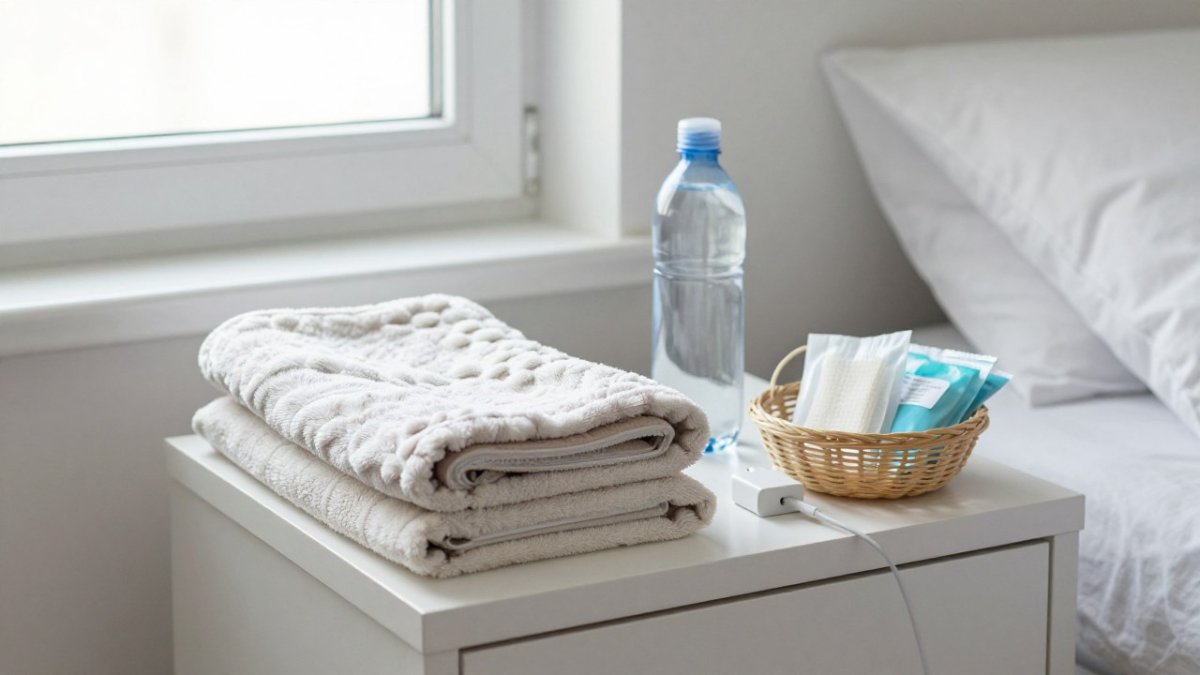
A tidy recovery area helps too. Set up a comfortable spot where you can rest, watch shows, and reach everything without getting up.
Consider stocking these items:
- Soft, loose clothing that does not pull over your face or treated area
- Ice packs or a clean cold compress, wrapped in a cloth
- Prescribed or recommended aftercare products, such as the OBAGI® ChIQ™ line available through Lumyn Medspa's product offerings
Ask your provider which products are appropriate for your specific procedure before you buy anything. For more guidance on getting your skin ready, read how to prepare your skin for aesthetic procedures.
Plan Medications, Supplements, Food, and Hydration
What you put into your body affects how you heal, and medication planning is one of the few preparation steps where a small oversight can change your outcome. The goal is not to stop taking things on your own. The goal is to give your care team a complete list and let them direct any changes.
Build a Complete Medication and Supplement List
Create one list that covers everything you take, including things you might not think of as medicine. Bring it to your consultation and update it before procedure day. Include:
- Prescription medications: name, dose, and how often you take it
- Over-the-counter products: pain relievers, allergy medicines, sleep aids, antacids, and cold remedies
- Supplements: vitamins, minerals, fish oil, herbal products, probiotics, and powdered drink mixes
A simple format works: one column for the product, one for the dose, one for how often, and one for who prescribed it. Keep a photo of the list on your phone so you can share it quickly.
Ask Specific Questions About Blood Thinners and Supplements
Some medications and supplements can increase bleeding or bruising. Common examples include aspirin, ibuprofen and other nonsteroidal anti-inflammatory drugs, fish oil, vitamin E, garlic supplements, ginkgo, and some herbal blends.
Ask your provider these questions before you change anything:
- Which of my medications or supplements should I pause, and for how many days before and after the procedure?
- Who is responsible for telling me to stop a prescription blood thinner, and who tells me when to restart it?
- Which over-the-counter pain reliever is preferred for my procedure, and which should I avoid?
Do not stop a prescription medication on your own, even if you have read that it affects bleeding. The decision belongs to the clinician who manages that medication, in coordination with your procedure provider.
Confirm What to Take on Procedure Day
Procedure day has its own rules. Confirm in advance:
- Which regular medications to take with a small sip of water and which to skip
- Whether any medication should be taken at a different time than usual
- Whether you need to bring any medication with you, such as an inhaler or epinephrine auto-injector
Write the answers down. Do not rely on memory in the busy hours before an appointment.
Plan Food, Hydration, and Recovery Meals
Fasting rules depend on the procedure and the type of sedation, so follow your provider's instructions exactly.
Good nutrition and hydration support healing. Practical habits include:
- Drinking water steadily through the day rather than large amounts at once
- Eating protein at each meal to support tissue repair
- Choosing fruits and vegetables for vitamins and fiber
Prepare simple meals in advance. Soups, smoothies, eggs, yogurt, and easy-to-chew foods help on days when you feel tired or have limited jaw movement.
Watch out: Starting a new supplement, herbal tea, or over-the-counter pain reliever in the days before your procedure without telling your care team can undo careful planning.
Keeping track of a few key details before your procedure makes preparation easier to follow.
| Item | Value | Note |
|---|---|---|
| Prescription medications | Name, dose, frequency | List them all before your consultation |
| Over-the-counter products | Pain relievers, allergy and sleep aids | Some can increase bleeding or bruising |
| Supplements | Vitamins, fish oil, herbal products | Ask which to pause and when |
| Prescription blood thinners | Managed by prescriber | Never stop them on your own |
| Procedure day medications | Confirmed in advance | Write down which to take or skip |
| Hydration | Steady water intake | Sip through the day, not large amounts at once |
Set Up Your Home, Transportation, and Caregiver Support
Many people underestimate how much help they need after a procedure.
Arrange transportation home. Many providers recommend that you not drive yourself, especially after sedation or anesthesia.
Enlist a caregiver or support person for the first day or two.
Make your home easier to move through:
- Clear walkways of rugs, cords, and clutter
- Keep frequently used items on lower shelves
- Set up a charging station near your rest area
Watch out: Lifting heavy items, bending over, or exercising too soon can increase swelling and bleeding.
Red flags need quick attention. Contact your care team right away if you notice:
- Fever or chills
- Severe pain that does not improve with prescribed medication
- Unusual swelling, warmth, or redness that spreads
Save the clinic phone number in your phone before your procedure.
How to Speed Up Healing After Aesthetic Procedures Safely
Healing faster does not mean rushing your body. Safe habits support recovery without causing setbacks.
Protect your skin from the sun. UV exposure can slow healing and increase the chance of discoloration.
Rest is a real part of healing.
Avoid smoking, which reduces blood flow and can slow tissue repair.
Keep your follow-up appointments.
Remember that healing varies from person to person.
Book Your Consultation to Build Your Recovery Plan
Preparing for recovery is much easier when you have a plan built around your specific treatment. During your visit, you can review your timeline, medications, home setup, and support needs. Learn more about Lumyn Medspa and our approach to patient care before you book.
If you are ready to schedule, our guide on how to book anti-aging aesthetic treatment walks you through the steps. Bring your questions, your medication list, and your support person to your appointment.
Frequently Asked Questions
What is the hardest day of recovery after an aesthetic procedure?
Recovery experiences vary widely by procedure type, the area treated, and individual healing. Many people report that swelling and discomfort peak in the first few days, which is why some providers describe days two or three as the most demanding. Planning rest, pain management as directed by your provider, and help with daily tasks during this window can make it easier. Your provider can give you a timeline specific to your treatment.
What should I avoid in the week before my aesthetic procedure?
Your surgeon or provider will give you specific preoperative instructions, and those should take priority. Commonly, they ask patients to review their medications and supplements, limit alcohol, avoid smoking, and follow any fasting rules for the procedure day. Some blood-thinning medications and supplements may need to be paused. Confirm with your care team before stopping or starting anything.
How can I speed up healing after an aesthetic procedure?
General healing habits support recovery: staying hydrated, eating a balanced diet with protein and vitamins, getting enough sleep, avoiding smoking, and following your aftercare instructions closely. Keep strenuous exercise and heavy lifting off the schedule until your provider approves. Be cautious with any product or home remedy that promises faster results, and check with your provider first.
When should I contact my provider during recovery?
Contact your care team promptly if you notice symptoms such as fever, increasing redness or warmth around an incision or treated area, unusual drainage, severe pain that does not respond to prescribed medication, trouble breathing, or swelling that seems to be getting worse rather than better. Keep their after-hours number handy. When in doubt, call. Your provider would rather hear from you early than after a problem has grown.