 ultimate-guide
How Long Do Injectable Results Last? A 2026 Guide
Table of Contents
- Injectable Results by Treatment Type: Average Duration
- Botox vs Fillers for Deep Wrinkles: Which Lasts Longer?
- Dermal Filler Longevity Factors That Shorten or Extend Results
- The Cumulative Effect: How Repeat Injectable Treatments Build on Each Other
- Maintenance Schedule for Facial Injectables: What to Plan For
- When to Expect Visible Injectable Results After Treatment
- How to Make Your Injectable Results Last as Long as Possible
- Conclusion
Last Updated: August 25, 2026
Understanding how long injectable results last is one of the most common questions patients ask before committing to a treatment. The short version is that injectable results typically last anywhere from three months to two or more years, depending on the product, the treatment area, and several factors specific to you. Below, we break down exactly what drives those differences and how to get the most out of every session.
Injectable Results by Treatment Type: Average Duration
The single most important variable in how long injectable results last is the product category itself. Different injectables work through entirely different mechanisms, and those mechanisms determine how the body eventually processes them.
| Injectable Type | Typical Duration | Mechanism | Primary Use |
|---|---|---|---|
| Neurotoxins (Botox, etc.) | 3-6 months | Muscle relaxation | Dynamic wrinkles, brow lifting |
| Hyaluronic acid fillers | 6-18 months | Volume replacement | Lips, cheeks, nasolabial folds |
| Collagen-stimulating fillers | 18-24+ months | Collagen induction | Facial volume, skin laxity |
Neurotoxins (Botox and Similar): 3-6 Months
Neurotoxins work by temporarily blocking the nerve signals that cause specific muscles to contract, softening dynamic wrinkles formed from repeated facial movement. Once the neurotoxin metabolizes, nerve signaling gradually resumes and muscle activity returns. Most patients see results for three to four months initially, with some extending to five or six months after multiple treatments. Resorption is largely driven by how actively the treated muscles are used and how quickly an individual's metabolism processes the neurotoxin.
Hyaluronic Acid Fillers: 6-18 Months
Hyaluronic acid is a naturally occurring substance in the dermal layer of the skin, making these fillers highly biocompatible. They add volume and hydration to soft tissue, smoothing fine lines and deep facial folds. Duration varies significantly by product viscosity and cross-linking technology. Higher G-prime formulations tend to last longer in areas like the cheeks and jawline, while lower viscosity products used for fine lines or lip enhancement typically metabolize faster, in the six-to-twelve-month range. Enzyme breakdown by hyaluronidase, a naturally occurring enzyme in the body, is the primary driver of resorption.
Collagen-Stimulating Fillers: Up to 2 Years or More
Collagen-stimulating injectables trigger the body's own collagen production within the subcutaneous tissue rather than replacing volume directly. The filler itself gradually resorbs, but the new collagen it stimulates remains, making them among the longest-lasting options available, with many patients maintaining results for eighteen to twenty-four months or beyond. Visible improvement develops gradually over several weeks as collagen synthesis progresses, rather than appearing immediately after treatment.
Botox vs Fillers for Deep Wrinkles: Which Lasts Longer?
For deep wrinkles specifically, fillers generally last longer than neurotoxins. Botox addresses wrinkles caused by muscle movement and is most effective on dynamic lines like forehead creases and crow's feet. Dermal fillers physically fill the depressed tissue beneath a wrinkle, making them better suited for static lines visible even at rest.
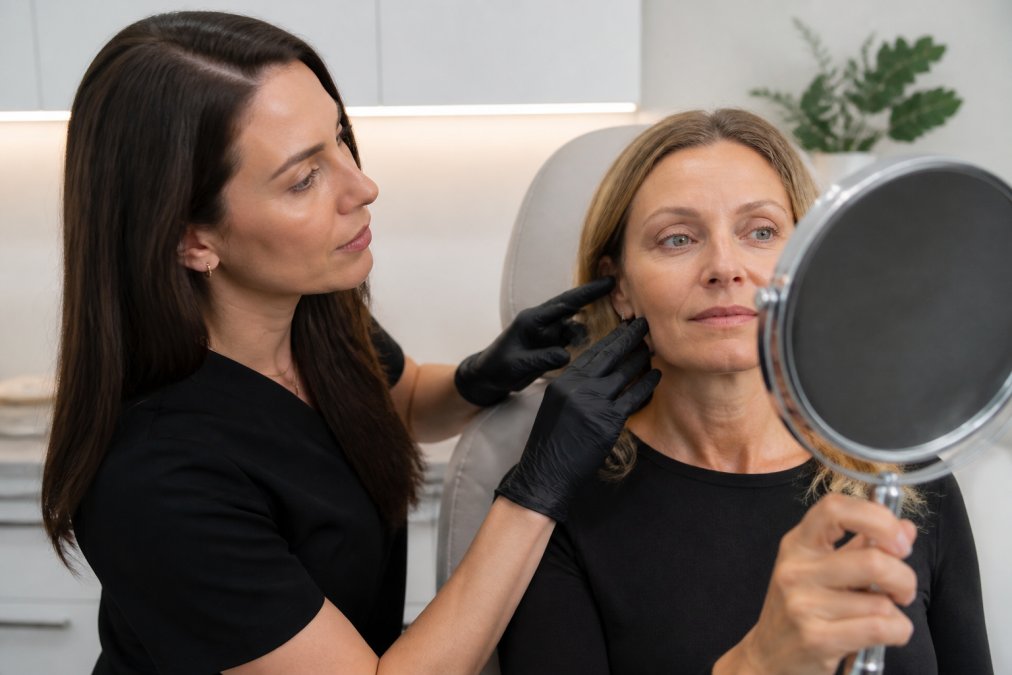
A deep nasolabial fold, for example, is largely a volume and structural issue. A hyaluronic acid filler placed beneath it can smooth the fold for twelve to eighteen months, while a neurotoxin alone would have limited effect since the underlying cause is not muscular. For wrinkles with both dynamic and structural components, many providers use a combination approach: the neurotoxin reduces muscle activity to slow reformation of the line, while the filler restores lost volume. This combination often produces better outcomes and can extend the effective duration of both products.
Dermal Filler Longevity Factors That Shorten or Extend Results
Dermal filler longevity factors are often underestimated. Most patients focus on the product itself, but the variables below can shift duration by months in either direction.
Metabolism, Lifestyle, and Enzyme Breakdown
Metabolic rate has a measurable impact on how quickly the body processes injectable products. Patients with higher metabolic rates, which often correlates with high levels of cardiovascular exercise, tend to see shorter durations. According to the American Academy of Dermatology's patient guidance on injectable treatments, sun exposure, smoking, and chronic stress all contribute to accelerated skin aging and can reduce the longevity of cosmetic procedures. Hydration also plays a role specifically with hyaluronic acid fillers, since hyaluronic acid binds water and patients who are consistently well-hydrated may maintain filler volume more effectively.
Treatment Area and Facial Anatomy
Where the filler is placed within the facial anatomy matters as much as what product is used. High-movement areas, such as the lips and the area around the mouth, experience constant mechanical stress that accelerates filler breakdown, which is why lip filler typically lasts six to nine months while cheek filler in the same patient might last twelve to eighteen months. Areas with thicker soft tissue and less mobility, like the midface and temples, generally support longer-lasting results.
Post-Treatment Care and Its Impact on Duration
The first twenty-four to forty-eight hours after injection are particularly important. Pressure on the treated area, intense exercise that elevates core body temperature, and heat exposure from saunas or hot yoga can all disrupt product placement and accelerate early resorption. Longer term, consistent sun protection is one of the most effective things a patient can do to preserve their results. UV-induced collagen degradation in the dermal layer reduces the structural support around filler placements, effectively shortening how long results remain visible.
The Cumulative Effect: How Repeat Injectable Treatments Build on Each Other
Injectable results often improve and last longer with repeated treatments over time. With neurotoxins, repeated treatment gradually trains the targeted muscles to remain in a more relaxed state, and many patients find they can extend the interval between appointments as muscle activity diminishes. With collagen-stimulating fillers, each treatment adds another layer of collagen stimulation, building on the structural improvements from previous sessions. Patients who have been receiving these treatments consistently for two or more years often report that their results are noticeably more durable than they were initially.
According to the American Society of Plastic Surgeons' injectable treatment overview, patient satisfaction with injectable treatments tends to increase with experience, partly because of this cumulative improvement in results. The practical implication: do not judge the long-term value of injectable treatments based solely on your first session.
Maintenance Schedule for Facial Injectables: What to Plan For
A realistic maintenance schedule depends on the products used and your individual response. For neurotoxins, most patients schedule appointments every three to four months initially, with some extending to every five or six months as the cumulative effect takes hold. For hyaluronic acid fillers, annual or biannual appointments are typical depending on the area, lips generally need attention every six to nine months, while cheeks and jawline placements often hold for twelve to eighteen months. For collagen-stimulating fillers, a common approach is an initial series of two to three treatments spaced several weeks apart, followed by maintenance sessions once every twelve to eighteen months.
When to Expect Visible Injectable Results After Treatment
The timeline for visible injectable results varies significantly by product type. Neurotoxins typically begin to show effect within three to five days, with full results visible at around two weeks. Hyaluronic acid fillers produce immediate volumizing effects, since the product physically occupies space from the moment of injection, though initial swelling can make results appear exaggerated for the first few days. The settled result is typically visible within one to two weeks. Collagen-stimulating fillers require the most patience, with the primary result from new collagen synthesis developing gradually over two to three months.
As noted in guidance from the American Board of Cosmetic Surgery's patient resources, understanding the expected timeline for each product type is essential to a positive treatment experience and realistic expectations.
How to Make Your Injectable Results Last as Long as Possible
Making injectable results last is largely about protecting the investment you have made in your skin. These are the most effective strategies:
- Protect from UV exposure daily. Sun damage degrades collagen in the dermal layer, reducing the structural support that keeps filler in place and visible.
- Stay well-hydrated. Hyaluronic acid fillers bind water, and adequate hydration supports their volume and longevity.
- Avoid high-intensity heat for 48 hours post-treatment. Saunas, hot yoga, and steam rooms elevate tissue temperature and can accelerate early resorption.
- Do not massage treated areas unless directed. Pressure and manipulation in the days following treatment can displace product before it fully integrates.
- Follow your provider's post-care instructions precisely. The first week after treatment is when care has the highest impact on long-term results.
- Maintain a consistent treatment schedule. The cumulative effect requires regularity.
- Address skin health holistically. Patients with good baseline skin quality through consistent skincare, adequate sleep, and managed stress tend to see longer-lasting results.
The patients who see the best long-term results are almost never the ones chasing the longest possible interval between treatments. They are the ones who treat consistently, care for their skin between appointments, and work with a provider who adjusts the plan as their needs evolve.
Choosing the right injectable approach and getting the most from it requires understanding how your body, your lifestyle, and your treatment plan interact. At Lumyn Medspa, our team develops customized treatment plans that account for your facial anatomy, your goals, and your schedule, using advanced technology and proven techniques to deliver results that hold. Book a consultation with Lumyn Medspa to discuss your injectable goals and build a plan designed to last.
Frequently Asked Questions
Q: Does metabolism affect how long injectable results last?
A: Yes, metabolic rate is one of the more significant variables in how long injectable results last. People with faster metabolisms tend to break down hyaluronic acid and neurotoxins more quickly, sometimes seeing results fade weeks earlier than average. Regular exercisers and individuals with high cardiovascular activity often report shorter durations. This does not mean you should avoid exercise, but it is worth discussing your activity level with your provider so they can adjust product choice, placement depth, and follow-up timing accordingly.
Q: Which fillers last 2 to 5 years?
A: Collagen-stimulating fillers such as poly-L-lactic acid and calcium hydroxylapatite are the products most associated with results lasting two years or longer. Unlike hyaluronic acid fillers, which the body resorbs relatively quickly, these products work by triggering your own collagen production in the subcutaneous and dermal layers. The filler itself gradually degrades, but the structural collagen it stimulates continues to provide volume and firmness. Actual duration still varies based on metabolism, treatment area, and individual patient lifestyle.
Q: How can I make my dermal filler results last longer?
A: Several habits directly affect how long dermal filler results hold. Avoiding prolonged sun exposure and using broad-spectrum SPF daily reduces UV-driven collagen breakdown. Staying well hydrated supports hyaluronic acid's ability to attract and retain moisture in the dermal layer. Avoiding smoking is important because it accelerates tissue degradation and reduces circulation. Following your provider's post-treatment care instructions, including avoiding intense heat and strenuous exercise in the first 24 to 48 hours, also helps the product settle properly and last closer to its full expected duration.
Q: Do Botox and fillers age you faster if you stop getting them?
A: No. Stopping injectable treatments does not accelerate aging beyond where you would have been naturally. When neurotoxins wear off, the treated muscles simply resume their normal movement, and lines gradually return to their pre-treatment appearance. Dermal fillers resorb naturally without leaving the face looking worse than before. Some patients who use collagen-stimulating fillers over time may actually notice a lasting improvement in skin quality even after stopping, because the collagen produced during treatment does not disappear immediately when treatments end.
This article was written using GrandRanker