 How-to
Fade Dark Spots Permanently: A Realistic Face Treatment Plan
Last Updated: November 11, 2026
Quick Summary
Permanent removal of dark spots means fading the pigment with treatment and then keeping the cause controlled with daily broad-spectrum sunscreen of SPF 30 or higher. Without consistent sun protection, fading dark spots can darken again within weeks, so permanence is a maintenance commitment rather than a one-time event.
- Use a broad-spectrum sunscreen with SPF 30 or higher every morning and reapply through the day.
- Hydroquinone is available over the counter at lower strengths and by prescription at higher ones, and generally needs professional supervision.
- Laser treatment for dark spots uses focused light to break up pigment so your body can clear it.
- Hyperpigmentation takes weeks to months to fade, depending on spot type, depth, skin tone, and routine consistency.
- Stopping sun protection as soon as a spot fades is the most common reason spots return within weeks.
Table of Contents
- Why Dark Spots Come Back, and What Permanent Really Means
- Diagnose First: Types of Dark Spots and Warning Signs
- Best Sunscreen for Dark Spots on Face: The Non-Negotiable Step
- At-Home Topicals: What Actually Fades Pigment
- Laser Treatment for Dark Spots on Face: What to Expect
- How Long Does Hyperpigmentation Take to Fade?
- Dermatologist Treatment for Dark Spots on Face: Building Your Plan
- Book a Consultation at Lumyn Medspa
- Frequently Asked Questions
Why Dark Spots Come Back, and What Permanent Really Means
Permanent removal of dark spots on the face is not a one-time event. It is a long-term result you protect. This guide explains how to get rid of dark spots on face in the realistic sense: fading pigment and then keeping it from returning.
Melanin is the pigment that gives skin its color. When sun exposure, inflammation, or hormones trigger extra melanin, dark spots form. The trigger rarely disappears on its own.
So "permanent" means two things working together:
- The spot fades with the right treatment.
- The cause stays controlled with daily sun protection and maintenance.
Skip the second part, and spots return. That is the single biggest reason people feel stuck in a cycle.
Diagnose First: Types of Dark Spots and Warning Signs
Getting the diagnosis right decides the treatment. A sun spot, an age spot, and post-inflammatory hyperpigmentation (PIH) do not respond the same way, and treating the wrong one wastes months.
Sun Spots, Age Spots, and Post-Inflammatory Hyperpigmentation
Sun spots are flat brown marks from ultraviolet rays. They show up on the face, hands, and shoulders after years of sun exposure.
Age spots look similar and are also tied to sun exposure over time. They tend to be uniform in color with clear edges.
Post-inflammatory hyperpigmentation follows injury to the skin, such as acne, a scratch, or a harsh peel. It is common in medium and darker skin tones.
When to See a Doctor Before Treating
Some spots need a professional look before any cream or laser. Watch for these signs:
- A spot that changes shape, color, or size
- Irregular or blurred borders
- Bleeding, itching, or tenderness
- A new dark streak under a nail
The American Academy of Dermatology recommends a skin exam for any changing or unusual spot. A dermatologist can confirm what you are treating, which protects both your skin and your results.
Best Sunscreen for Dark Spots on Face: The Non-Negotiable Step
The best sunscreen for dark spots on face is a broad-spectrum formula with SPF 30 or higher, applied every morning and reapplied through the day.
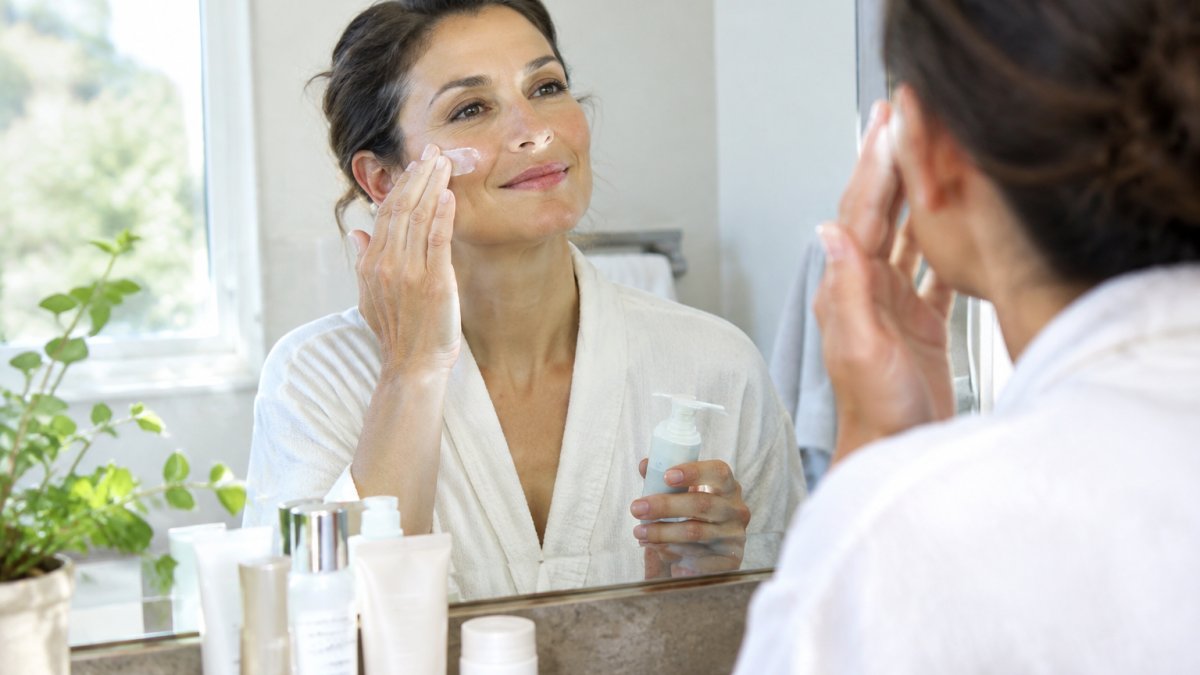
Ultraviolet rays keep signaling your skin to make more melanin. That means a fading spot can darken again within weeks of unprotected sun.
What to look for:
- Broad-spectrum coverage against UVA and UVB
- SPF 30 or higher, used generously
- Tinted formulas that also block visible light, which matters for melasma
- Daily use, even on cloudy days
Sunscreen alone rarely fades existing spots. It stops new ones and protects the progress you make. For a closer look at whether sun protection can do more, read is sunscreen enough for existing hyperpigmentation.
At-Home Topicals: What Actually Fades Pigment
At-home topicals can fade pigment, but only the right ingredients at the right strength. A common mistake is buying a "skin-lightening cream" with no clear active ingredient and expecting results.
Hydroquinone, Retinoids, and Prescription Options
**Hydroquinone is a pigment-lightening ingredient available over the counter at lower strengths and by prescription at higher ones, and it generally needs professional supervision. Prolonged unsupervised use can cause irritation and, in some cases, a blue-gray darkening of the skin.
Retinoids such as tretinoin speed up cell turnover and help faded pigment shed. They also improve texture. Expect some dryness and peeling at first.
Prescription options may combine actives. A doctor decides whether a combination suits you, so avoid building that mix yourself.
Other commonly discussed ingredients include:
- Vitamin C to brighten and protect
- Azelaic acid for sensitive or acne-prone skin
- Licorice root extract for gentle fading
- Niacinamide to support the skin barrier
For a deeper breakdown of actives, see our guide to the top ingredients for dark spot correction.
Natural Remedies: What the Evidence Says
Natural remedies are popular, and some have real support. Others can make pigment worse. That gap matters.
Then there are the risky ones.
Gentle options are generally a safer starting point than kitchen acids, since irritation can work against fading.
Laser Treatment for Dark Spots on Face: What to Expect
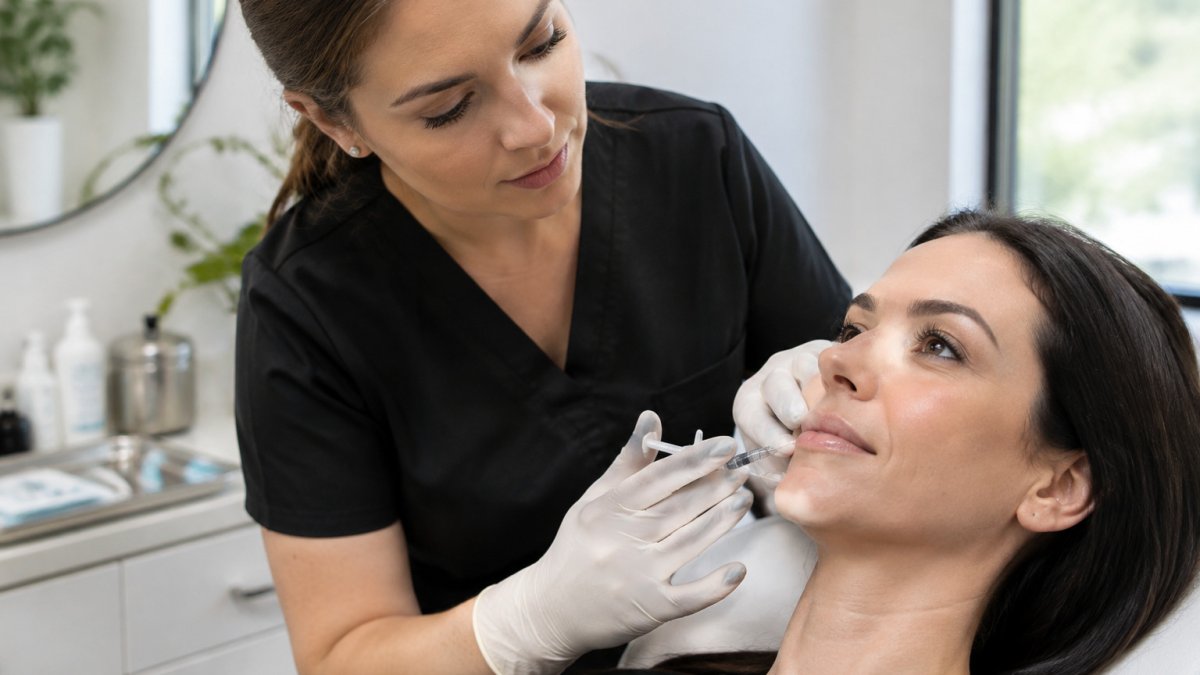
Laser treatment for dark spots on face uses focused light to break up pigment so your body can clear it. It can help with stubborn sun spots and age spots, and results depend on matching the device to your skin tone.
Here is what a realistic course looks like:
- A consultation to confirm the spot type and your skin tone
- A series of sessions spaced several weeks apart
- Sun protection before and after every session
- Gradual fading over weeks, not days
Darker skin tones need extra care. Some lasers can overheat pigment and cause new dark patches, so an experienced provider chooses wavelengths carefully.
Two paths are worth understanding. To compare approaches, read fractional laser vs IPL for hyperpigmentation. To match a device to your brown spots, see how to choose the right laser for brown spots.
How Long Does Hyperpigmentation Take to Fade?
Hyperpigmentation takes weeks to months to fade, and the timeline depends on the spot type, how deep the pigment sits, your skin tone, and how consistent your routine is. There is no overnight fix, and anyone promising one is overselling.
A general picture:
- Timelines vary by spot type, depth and skin tone, and a dermatologist can give a more specific expectation for your skin.
Gradual improvement is the goal. Tracking your spots with photos every few weeks can make change easier to see.
What 'Permanent' Realistically Means
Fading existing pigment does not prevent new spots. "Permanent" is better understood as a result you protect: the spot fades with treatment, and the cause stays controlled with daily sun protection and maintenance. Sun exposure, hormones, inflammation, and recurrence all affect long-term results, so the honest answer is that permanence is a maintenance commitment, not a one-time event.
Maintenance After Improvement
Once a spot fades, the work shifts from correction to prevention:
- Keep sunscreen daily, even on cloudy days, and reapply through the day.
- Keep a maintenance routine that a dermatologist recommends for your skin rather than stopping everything.
- Treat inflammation early, calm acne and irritation quickly, since inflammation is a common trigger for new PIH.
- Recheck photos every few months so you catch a returning spot early, when it is easiest to fade.
Watch out: stopping sun protection as soon as a spot fades is the most common reason spots return within weeks. Maintenance is part of the timeline, not an optional extra.
Setting Expectations Before You Start
A realistic plan sets a checkpoint rather than a deadline. Give a home routine a reasonable trial period before judging it, and expect in-office sessions to be spaced apart according to your provider's plan. If a spot is unchanged after a reasonable trial, change the approach rather than adding more products. Recurrence is common without sun protection, so treat maintenance as the step that makes the result last.
Dermatologist Treatment for Dark Spots on Face: Building Your Plan
Dermatologist treatment for dark spots on face works best as a sequenced, cause-specific plan, not a pile of products. The order matters as much as the ingredients, and the right starting point depends on what is driving the pigment, your skin tone, how deep the pigment sits, and how your skin has responded to treatment so far.
A Practical Decision Pathway
Use this pathway to choose between home care, prescription treatment, and in-office procedures. It is the step most people skip, and it is the reason many routines stall.
Step 1: Identify the likely cause. Sun spots and age spots usually sit in the epidermis and respond to topicals plus sun protection.
Step 2: Match the approach to severity and depth. Superficial, uniform spots often fade with a consistent home routine. Stubborn or deeper pigment may need a prescription active or an in-office session.
Step 4: Judge response, not the calendar. If a spot is unchanged after a reasonable trial, change the approach rather than adding more products.
The Sequenced Plan We Recommend
- Diagnose the spot type, rule out anything concerning, and note your skin tone.
- Protect daily with broad-spectrum sunscreen, this is the foundation every other step depends on.
- Treat at home with one or two proven actives matched to the cause.
- Add in-office sessions such as laser or a chemical peel for stubborn or deeper spots.
- Maintain with sun protection and a simple routine to prevent recurrence.
| Step | What Happens | Typical Timing |
|---|---|---|
| Diagnose | Confirm spot type, depth, and skin tone | First visit |
| Protect | Daily broad-spectrum sunscreen | Every day |
| Treat at home | Retinoid or brightening serum | Weeks 1-12 |
| In-office | Laser or chemical peel | Spaced sessions |
| Maintain | Sun care and gentle routine | Ongoing |
Watch out: strong exfoliation plus a laser in the same week can irritate skin and trigger new pigment, especially on darker tones. Space treatments out and let your provider guide the schedule.
When to Skip Home Care and Go Straight to a Professional
Some situations call for a professional from the start rather than a trial-and-error routine: melasma that is spreading, PIH that keeps returning after acne clears, spots that are deep or sharply defined, and any spot with warning signs such as changing shape, irregular borders, bleeding, or itching. In those cases, a dermatologist can confirm what you are treating and choose a device or prescription that fits your skin tone, which protects both your skin and your results.
Book a Consultation at Lumyn Medspa
A plan built for your skin beats guesswork every time. At Lumyn Medspa, we can discuss your spot type and skin tone so a customized treatment plan can be built around your goals.
Our services include laser skin rejuvenation and other aesthetic treatments. You can review our full services and treatment menu before you book.
If you are ready to fade dark spots and keep them from coming back, we are here to help. Get started with Lumyn Medspa and build a plan that protects your results for the long term.
Frequently Asked Questions
Is it possible to remove dark spots on the face permanently?
True permanence depends on the cause. Sun spots and post-inflammatory hyperpigmentation can fade with consistent treatment, but new sun exposure, hormonal shifts, or inflammation can bring pigment back. Think of it as long-term control rather than a one-time cure: daily broad-spectrum sunscreen, a maintenance topical routine, and periodic in-office sessions keep results stable. A dermatologist can confirm which type of dark spots you have before you commit to a plan.
How long does hyperpigmentation take to fade with treatment?
Improvement with consistent topical treatment often takes weeks to months, and a dermatologist can advise on in-office options. Deeper pigment and darker skin tones often need more time and gentler settings to avoid rebound darkening. Photograph your skin monthly under the same lighting so you can track real progress instead of judging day to day.
Are dark spot treatments safe for darker skin tones?
It depends on the individual and the approach. Darker skin tones carry a higher risk of post-inflammatory hyperpigmentation, so aggressive lasers, high-strength peels, and harsh scrubs can make spots worse. Gentler devices, lower-energy settings, and careful topical sequencing matter more than speed. Tell your provider your skin tone and history of melasma or scarring so they can adjust the plan and patch test first.
What is the best sunscreen for dark spots on the face?
Look for a broad-spectrum formula with SPF 30 or higher, and apply it every morning, reapplying every two hours outdoors. Tinted formulas with iron oxides add protection against visible light, which matters for melasma and stubborn pigment. Sunscreen mainly helps prevent new spots and protect progress, so it is commonly treated as the base of a routine.