 how-to
How to Avoid Looking Frozen After Fillers
Table of Contents
- Understanding the Frozen Look: Botox vs Fillers for Deep Wrinkles
- Step 1: Choose the Right Provider and Set Clear Expectations
- Step 2: Communicate Your Desired Aesthetic Before Treatment
- Step 3: Follow Dermal Filler Aftercare Best Practices
- Step 4: Manage the Recovery Timeline and How Long Filler Swelling Lasts
- Recognizing Over-Treatment and Corrective Options
- Pre-Treatment Preparation to Prevent Unnatural Results
- Frequently Asked Questions
Last Updated: August 30, 2026
Understanding the Frozen Look: Botox vs Fillers for Deep Wrinkles
The "frozen look" is one of the most common concerns before getting injectables, yet it's often misunderstood. At Lumyn Medspa, we work with patients who worry they'll end up expressionless after treatment. The good news: this outcome is entirely preventable with the right approach.
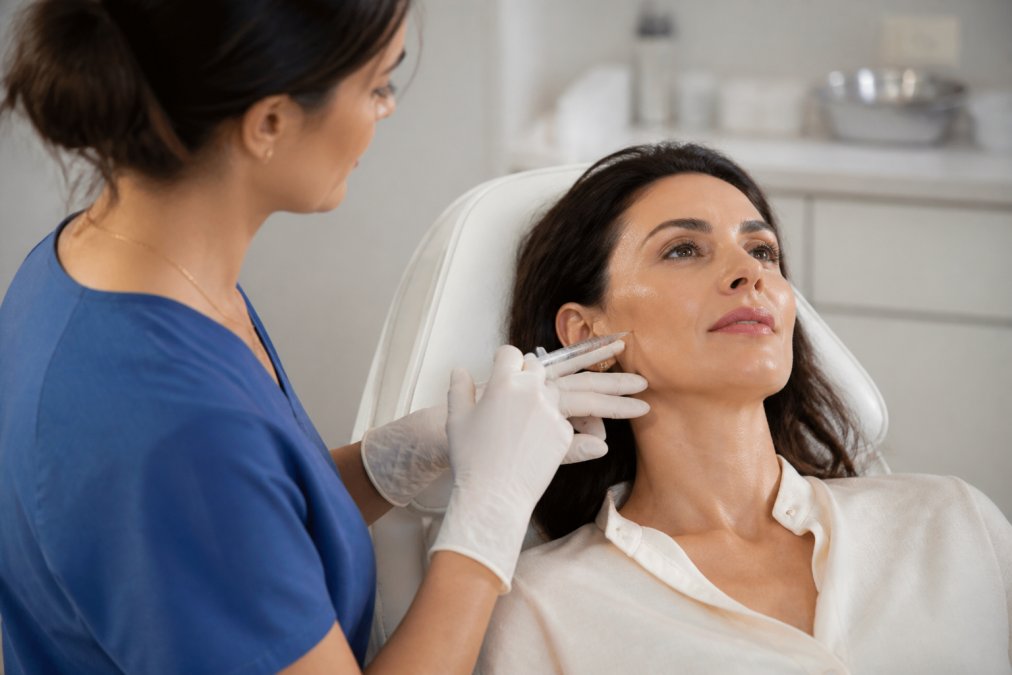
The frozen look typically refers to over-treatment with botulinum toxin (Botox), which paralyzes facial muscles when injected excessively, causing loss of natural movement and expression. Fillers, by contrast, add volume to soften lines and restore contours without paralyzing muscle. However, fillers can create an overfilled, puffy appearance if too much product is injected or placed incorrectly. These are two different problems with different solutions.
With Botox, prevention means using minimal effective doses and preserving micro-expressions in key areas. With fillers, it's about strategic placement, appropriate volume, and understanding your facial anatomy. Both require a provider who understands restraint and natural aesthetics.
Step 1: Choose the Right Provider and Set Clear Expectations
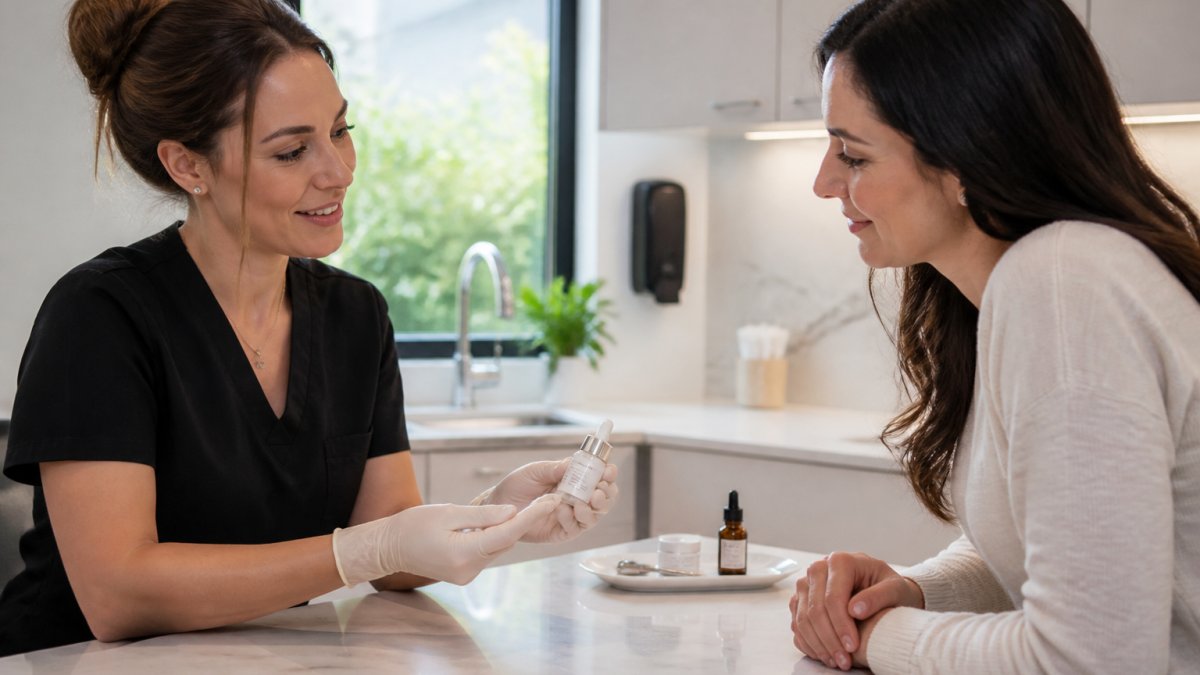
Your provider is the single most important factor in achieving natural results. This isn't about finding the cheapest option or the flashiest Instagram before-and-afters, but someone who listens, asks questions, and has a track record of conservative, natural-looking work.
When evaluating a provider, look for these markers of competence. First, they should ask detailed questions about what you want to change and why. A good provider understands your goals, face shape, baseline expression, and lifestyle, then discusses what's realistic for your anatomy.
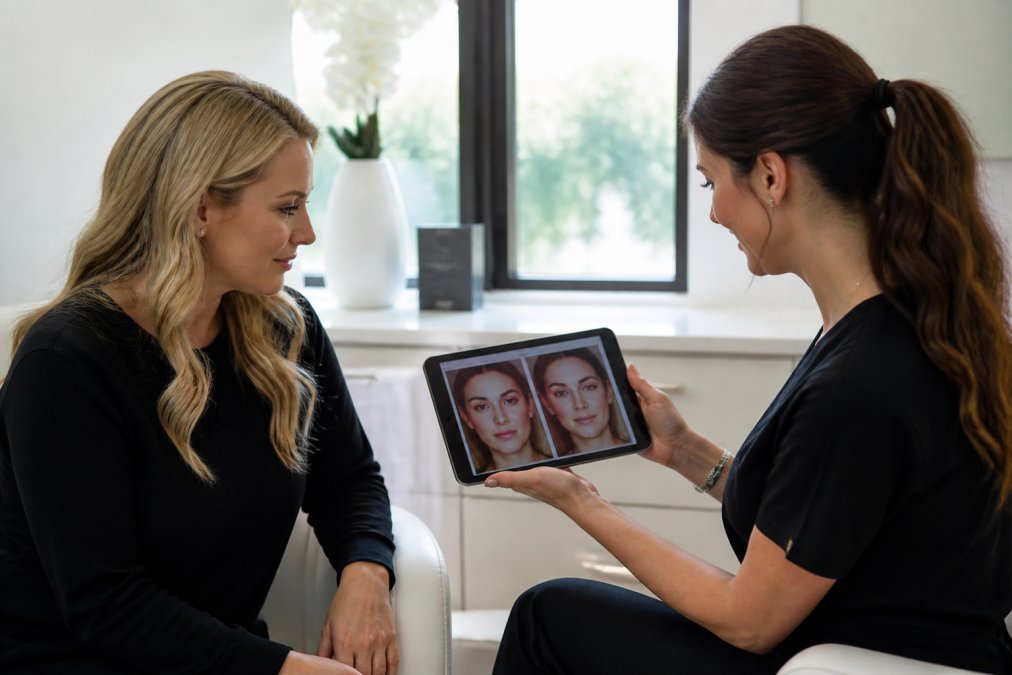
Second, ask to see before-and-after photos of actual patients, specifically the subtle, natural ones. If a provider's portfolio is full of dramatically different faces, that's a warning sign. Natural results look like an improved version of the person, not a new person entirely. Pay attention to whether patients still have natural expression and movement.
Third, verify credentials. Your provider should be a board-certified dermatologist, plastic surgeon, or registered nurse injector working under physician supervision (the American Academy of Dermatology). Inadequate training leads to placement errors that create asymmetry or overfilling.
Finally, discuss your concerns directly. Tell your provider you're worried about looking frozen or overfilled. A confident, experienced provider will welcome this conversation and explain exactly how they'll avoid those outcomes through dosing strategy, placement technique, and realistic expectations for your face.
Step 2: Communicate Your Desired Aesthetic Before Treatment
Before treatment, you and your provider need to align on what "natural" means to you. Many miscommunications happen because you might think "natural" means barely noticeable, while your provider interprets it as "obvious but not overdone."
Be specific about what you want to preserve. Do you want to keep all your expression? Are you okay with subtle softening of certain lines? Which lines bother you most, forehead lines, crow's feet, marionette lines? The more specific you are, the better your provider can tailor treatment.
Bring reference photos of people whose faces you actually like. Point to specific features: "I like how natural this person's forehead looks" or "I want to avoid this overfilled appearance." Visual references eliminate guesswork.
Discuss your desired outcome. Do you want to look refreshed and rested, or do you want visible softening of lines? Your provider should explain what's achievable with your anatomy and what isn't. If you have unrealistic expectations, your provider should tell you directly.
Ask about follow-up appointments. Many people don't realize injectables require strategic follow-up. You might need a small adjustment 2 weeks after your first injection once you see how your face settles. Understanding this upfront prevents disappointment.
Step 3: Follow Dermal Filler Aftercare Best Practices
What you do in the hours and days after injection significantly impacts your final result. Poor aftercare can lead to swelling, bruising, product migration, and an overall puffy appearance.
Managing Swelling and Bruising
Swelling is normal after filler injection. The first 24 to 48 hours typically show the most swelling (peer-reviewed research). Don't judge your results during this window, many people panic because they look overfilled when they're simply swollen.
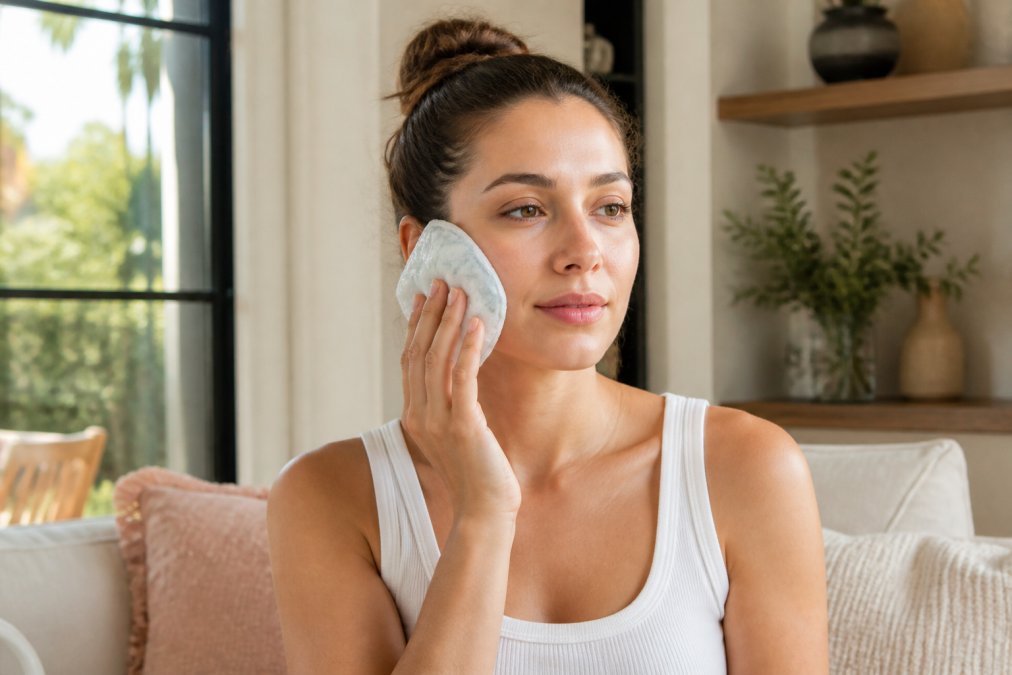
Apply cold compresses to injection sites immediately after treatment and for the first 24 hours. Cold causes vasoconstriction, reducing inflammatory response. Use ice wrapped in a thin cloth for 10-15 minutes at a time, with breaks in between. Don't apply ice directly to skin.
Keep your head elevated when resting. Sleep on extra pillows for the first few nights. Gravity pulls fluid downward, so staying upright minimizes facial swelling.
Avoid heat for the first 48 hours. Skip hot showers, saunas, steam rooms, and intense exercise that raises your core temperature. Heat increases blood flow and inflammation, worsening swelling.
Bruising happens when the needle damages small blood vessels. To minimize it, avoid blood thinners like aspirin, ibuprofen, and alcohol for at least 24 hours before and 48 hours after treatment. If you take a blood thinner for a medical condition, discuss this with your provider beforehand.
What to Avoid After Injections
Don't touch or massage injection sites for at least 24 hours. Touching introduces bacteria and can cause product migration.
Avoid intense exercise for 24 to 48 hours. Elevated heart rate increases blood flow and inflammation, prolonging swelling and causing product migration. Light walking is fine.
Skip alcohol for at least 24 to 48 hours. Alcohol widens blood vessels, increases inflammation, and dehydrates you, making swelling worse.
Don't apply makeup to injection sites for at least 24 hours. Makeup introduces bacteria and can irritate the sites.
Avoid saunas, steam rooms, hot tubs, and extreme heat for at least 48 hours. Heat increases swelling and can cause product migration.
Don't sleep on your face or apply pressure to injection sites. If you had cheek or under-eye filler, try sleeping on your back for the first few nights.
Step 4: Manage the Recovery Timeline and How Long Filler Swelling Lasts
Understanding the recovery timeline helps you manage expectations and avoid panic during normal healing.
Days 1-2: Peak swelling. Your face may appear puffy, and injected areas will feel firm. This is completely normal. Many people schedule appointments on Fridays to recover over the weekend.
Days 3-5: Gradual improvement. Swelling decreases noticeably. Bruising may become more visible as blood rises to the surface, but bruises fade quickly.
Days 7-10: Most swelling resolved. By day 7, most swelling should be gone (peer-reviewed research). This is when you can assess your true result. However, fillers continue settling for up to 2 weeks.
Weeks 2-4: Final settling. By 2 weeks, fillers have fully settled. This is your true result. If you need adjustment, schedule a touch-up appointment now.
How long swelling lasts depends on the filler type, amount injected, your individual healing response, and how well you followed aftercare. Most people see significant improvement by day 5 and complete resolution by day 10 to 14. If swelling persists beyond 2 weeks or worsens, contact your provider.
Recognizing Over-Treatment and Corrective Options
Sometimes over-treatment happens despite best efforts. Recognizing the signs early gives you options to correct the problem.
Signs of over-filled cheeks include excessive puffiness beyond a week, a rounded or balloon-like appearance, or disproportionate cheeks. Over-filled lips look thick and unnatural. Over-filled under-eye areas create a puffy, tired appearance or visible bumps.
If concerned you've been over-filled, contact your provider immediately. Don't wait weeks hoping it improves.
The most direct solution is hyaluronidase, an enzyme that breaks down hyaluronic acid fillers. If your filler is hyaluronic acid-based (most dermal fillers are), your provider can inject hyaluronidase to dissolve some or all of the filler. You can then have filler re-injected at lower volume if desired.
If your filler is non-hyaluronic acid, dissolution is more complicated and may require waiting for natural breakdown over months. This is why choosing a provider experienced with hyaluronic acid fillers matters, they're reversible if needed.
Sometimes over-treatment is about placement, not volume. If filler is placed too superficially, it can create visible bumps. Your provider might massage the area to redistribute product or inject additional filler strategically to balance your face.
Prevention is easier than correction. This is why choosing an experienced provider and communicating clearly about your goals matters. A provider using conservative dosing and strategic placement prevents these problems.
Pre-Treatment Preparation to Prevent Unnatural Results
What you do before your appointment influences your results as much as what happens during treatment. Strategic preparation reduces swelling, bruising, and complications.
Schedule your appointment when you don't have major events for at least a week afterward. Even with perfect aftercare, you might have some bruising or swelling visible.
Avoid blood thinners for at least one week before treatment. This includes aspirin, ibuprofen, naproxen, and other NSAIDs. If you take a blood thinner for a medical condition, discuss this with your provider, don't stop prescribed medication without medical guidance.
Avoid alcohol for at least 24 hours before treatment. Alcohol dehydrates you and thins your blood, increasing bruising and swelling.
Stay hydrated. Drink plenty of water for several days before your appointment. Hydrated skin responds better to treatment and heals faster.
Avoid intense exercise for 24 hours before treatment. Elevated heart rate increases blood flow to your face, causing more bleeding during injection and increasing bruising.
Get adequate sleep the night before. Your body heals better when well-rested.
Arrive with clean skin but minimal makeup. Your provider needs to see your natural skin to assess it properly and plan injection placement.
Eat a light meal before your appointment. Don't come hungry or fasted. Low blood sugar can make you feel faint during the procedure.
Wear comfortable, loose clothing. You'll be lying back during treatment, and tight clothing can be uncomfortable.
Come with realistic expectations. Listen to your provider's recommendations. They're assessing your face in person and can determine what's achievable and natural for your anatomy.
Avoiding the frozen look after fillers comes down to three things: choosing the right provider, communicating clearly about your goals, and following aftercare guidelines. At Lumyn Medspa, we prioritize natural results and patient education because informed patients who understand the process feel confident and satisfied with their results. Book a consultation with our team to discuss your aesthetic goals and learn exactly how we approach injectables with restraint and artistry.
Frequently Asked Questions
What is the difference between looking frozen after Botox versus overfilled with fillers?
Botox affects facial musculature by limiting movement, which can create a frozen, expressionless appearance if over-injected. Dermal fillers add volume and can cause a puffy, overfilled look if too much product is placed in one area. Botox freezes expression; fillers create visible swelling or bulging. Understanding this distinction helps you communicate clearly with your provider about the natural results you want. A qualified injector will use appropriate doses and placement techniques to avoid both outcomes.
How long does filler swelling last after treatment?
Initial swelling typically peaks within the first 24 to 48 hours after injection and gradually subsides over 7 to 14 days. Some mild swelling may persist for up to 2 weeks, depending on the filler type, injection depth, and individual healing response. Cold compresses, staying upright, and avoiding intense exercise during this period help minimize swelling. Most patients see their final aesthetic results after the swelling resolves completely. If swelling persists beyond two weeks or worsens, contact your provider.
What should I avoid doing after fillers to prevent an unnatural appearance?
Avoid intense exercise, heavy lifting, and activities that increase blood flow for at least 24 to 48 hours post-treatment, as these can increase swelling and cause uneven filler distribution. Skip alcohol, NSAIDs, and blood thinners, which increase bruising and inflammation. Do not massage, press, or apply intense pressure to injection sites, as this can move filler away from the intended area. Avoid extreme heat (saunas, hot yoga, direct sun) and sleeping on your face. Stay upright for at least 4 hours after treatment to allow filler to settle properly in the tissue.
Can I fix a frozen or overfilled look after fillers?
Yes. If Botox has created excessive freezing, results gradually soften as the botulinum toxin metabolizes over 3 to 4 months. If dermal fillers appear overfilled, hyaluronidase is an enzyme that can dissolve hyaluronic acid-based fillers within hours to days, allowing your provider to refine the result. For non-hyaluronic acid fillers, results gradually resolve as the body metabolizes the product. Speak with your provider immediately if you are unhappy with your results, corrective options exist and work best when addressed early.
This article was written using GrandRanker